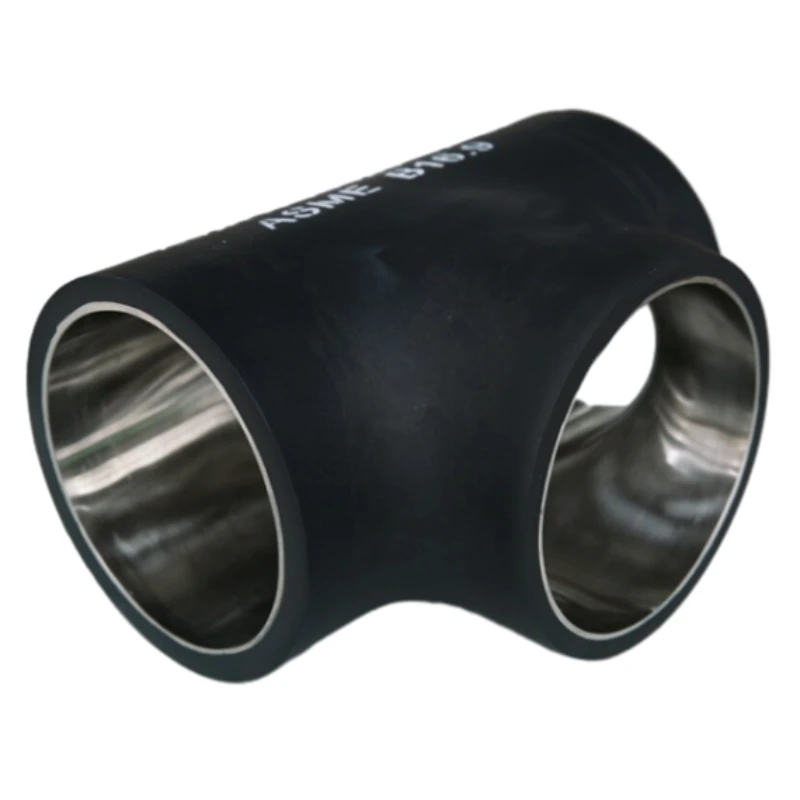
Structural steel tubes may sound like just another industrial term, but they’re actually a global game-changer. Whether it’s building skyscrapers, bridges, or temporary shelters in disaster zones, these hollow, tubular shapes of steel underpin many of the structures we rely on every day. They marry strength with versatility, enabling everything from simple frameworks to complex, modular designs that can be assembled quickly and last for decades. Understanding the core benefits and diverse applications of structural steel tubes opens a window into how modern engineering tackles tough challenges worldwide.
It’s fascinating— according to the World Steel Association, global steel production surpassed 1.8 billion tons in 2022, with structural steels representing a significant slice. These tubes are particularly popular because they save weight without compromising integrity, making structures more economical and often more sustainable. With urban populations expected to grow by over 2 billion by 2050 (UN data), demand for efficient construction materials is soaring.
Yet this demand comes with challenges: resource constraints, environmental concerns, and the need for rapid deployment in emergencies. Structural steel tubes can help balance these competing priorities by offering durability and ease of fabrication, which is critical in fast-paced construction environments worldwide.
At their simplest, structural steel tubes are hollow steel sections, usually with circular, square, or rectangular cross sections, used as load-bearing members in construction. Unlike solid bars or beams, the hollow nature means less material for the same or better strength — sort of like how a bicycle frame is strong yet lightweight due to its tubular design.
You’ll find these tubes as the skeleton of everything from high-rise steel frames to infrastructure projects and modular units. In humanitarian contexts, they provide quick-to-assemble shelters that maintain safety and dignity — which we can’t overstate. They’re more than metal; they’re enablers of innovation and resilience.
The tubular shape, combined with high-grade steel alloys, delivers impressive strength-to-weight ratios. They resist bending, twisting, and shear forces—ideal for seismic zones or heavy loads.
Less material means lighter members and reduced transportation and installation cost. Plus, prefabrication minimizes onsite labor, which translates into faster project delivery and lower overall expenses.
Whether you’re erecting a small industrial warehouse or a sprawling bridge, structural steel tubes come in standardized sizes but can be custom-fabricated to fit exact project specifications. This flexibility saves time and adapts to local conditions.
Modern steel tubes often get protective coatings or treatments that extend their lifespan. This reduces lifecycle environmental impact. Recyclability is another huge plus, especially given increasing sustainable building standards worldwide.
It’s not just skyscrapers in Manhattan or Dubai where structural steel tubes prove vital. In remote industrial sites, like mining operations in Australia or oil rigs in the North Sea, these tubes provide reliable support frameworks exposed to harsh conditions.
In post-disaster relief, NGOs employ modular housing units built from structural steel tubes because they’re lightweight, quick to deploy, and strong enough to withstand secondary shocks. For instance, after the 2015 Nepal earthquake, temporary shelters using tubular frames were pivotal in resettlement efforts.
Even in Asia’s booming infrastructure projects—think the massive bridge constructions across China or urban rail frameworks—they offer engineers the backbone needed to meet ambitious timelines while ensuring safety.
It’s a rare material that ticks all these boxes. Many engineers I’ve spoken with sketch their designs around these tubes because they just “get the job done” without fuss.
| Specification | Typical Value | Notes |
|---|---|---|
| Material Grade | ASTM A500 Grade B or C | Common for load-bearing |
| Shape | Round, Square, Rectangular | Custom profiles available |
| Wall Thickness | 3mm to 20mm | Tailored for load factors |
| Length | Up to 12 meters | Standard stock, custom sizes extra |
| Finish | Galvanized / Painted / Mill Finish | Depends on exposure conditions |
| Vendor | Range of Sizes | Lead Time | Customization | Sustainability Practices | Pricing Range |
|---|---|---|---|---|---|
| SteelCo Global | 15-500 mm diameters | 2-3 weeks | High (custom alloys) | ISO 14001 certified | $$$ |
| Urban Steel Works | 20-300 mm diameters | 1-2 weeks | Medium (standard grades) | Uses recycled steel | $$ |
| GreenMet Tubes | 30-400 mm diameters | 3-4 weeks | Custom eco-friendly coatings | Carbon neutral production | $$$$ |
Taking a peek a few years ahead, the industry is buzzing about digital twins and automated welding robots enhancing precision while cutting costs. Also, greener steels made with lower carbon footprints or recycled content are becoming a focus, responding to increasing government mandates.
The fusion of advanced alloys with smart coatings that self-heal corrosion is becoming more than science fiction. And oddly enough, integrating sensors within the steel structure for real-time stress monitoring is gaining traction — a neat way to catch potential issues before they become disasters.
One recurring issue is corrosion in extreme environments. While coatings help, they sometimes crack or wear. To tackle this, research has moved towards nano-coatings and composite overlays that extend life far beyond traditional methods.
Another practical hurdle is transportation in remote regions. Modular designs utilizing structural steel tubes are evolving to break down into smaller pieces, allowing easier logistics without sacrificing onsite assembly speed.
Structural steel tubes provide an excellent strength-to-weight ratio, meaning they offer similar or better strength than solid beams but weigh less. This reduces transportation and labor costs, facilitates easier handling onsite, and often results in faster construction schedules.
With proper maintenance and protective coatings, structural steel tube frameworks can easily last 50 years or more, even in harsh environments. Advances in corrosion protection continue to extend this lifespan further.
Yes. Steel is 100% recyclable, and manufacturers increasingly use recycled content. Also, lightweight tubing reduces material usage and transportation emissions compared to heavier structural elements.
Absolutely. Vendors often offer various diameters, thicknesses, alloys, and finishes. Custom fabrication services also allow cutting, shaping, and coating to meet project requirements.
Working with experienced vendors who understand export regulations and provide clear documentation streamlines the process. Shipping by container or bulk, depending on volume, and familiarizing oneself with customs duties are key steps.
In real terms, structural steel tubes are quiet heroes of modern infrastructure. They combine technical advantages with practical benefits that shape how we build today—and tomorrow. For engineers, designers, and even NGOs working in challenging contexts, these tubes aren’t just commodities; they’re a flexible foundation that supports innovation, sustainability, and safety.
If you want to explore top-quality structural steel tubes for your project, head over to our website for more details. The future will keep demanding smarter, stronger, and greener, and these steel tubes are ready to deliver.
Structural steel tubes offer unparalleled versatility, cost-efficiency, and long-term reliability across countless construction challenges worldwide. They balance economy, strength, and sustainability in an industry constantly evolving towards smarter solutions.
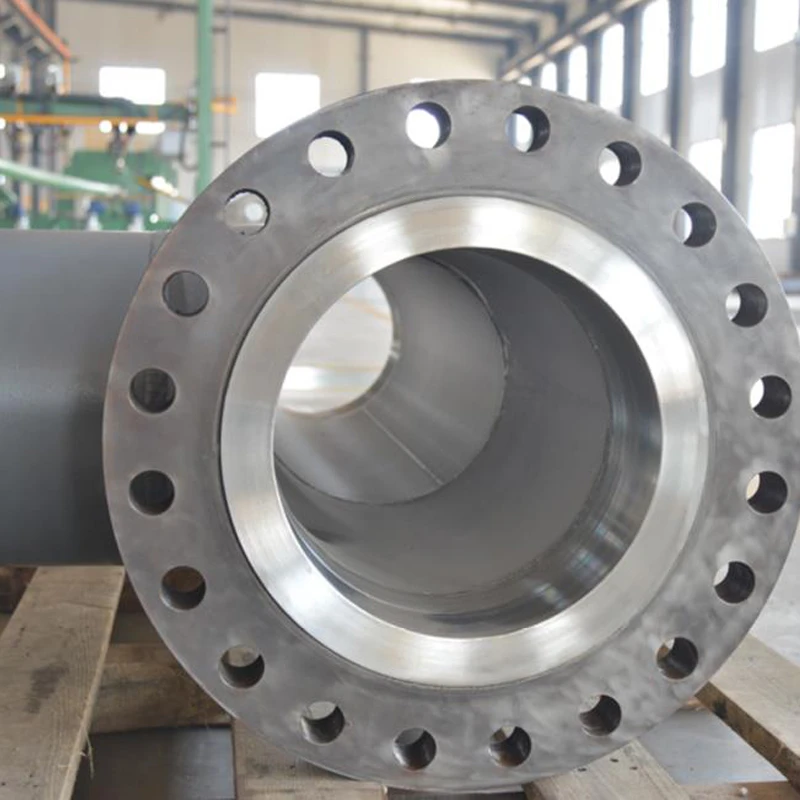
Factory Prefabricated Products
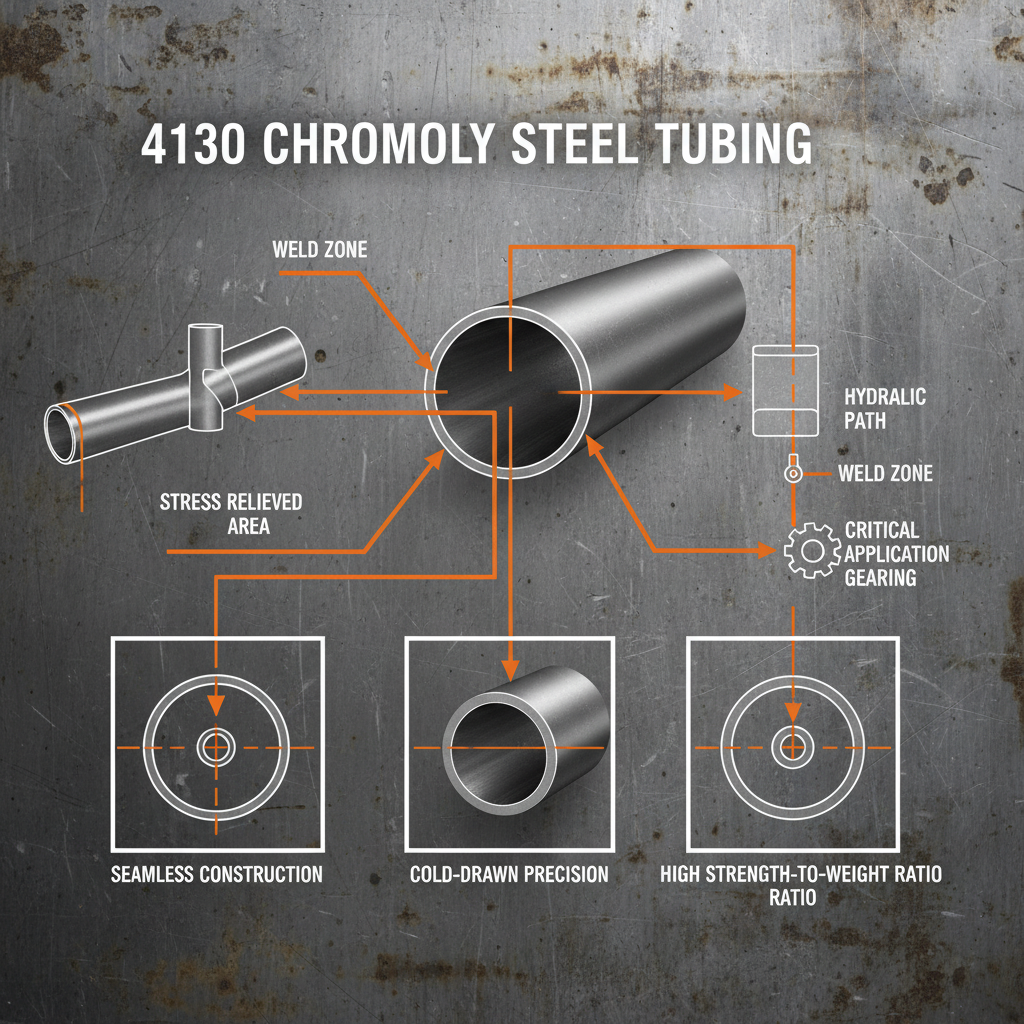
Ultimate Guide to 4130 Tubing Strength Performance and Applications
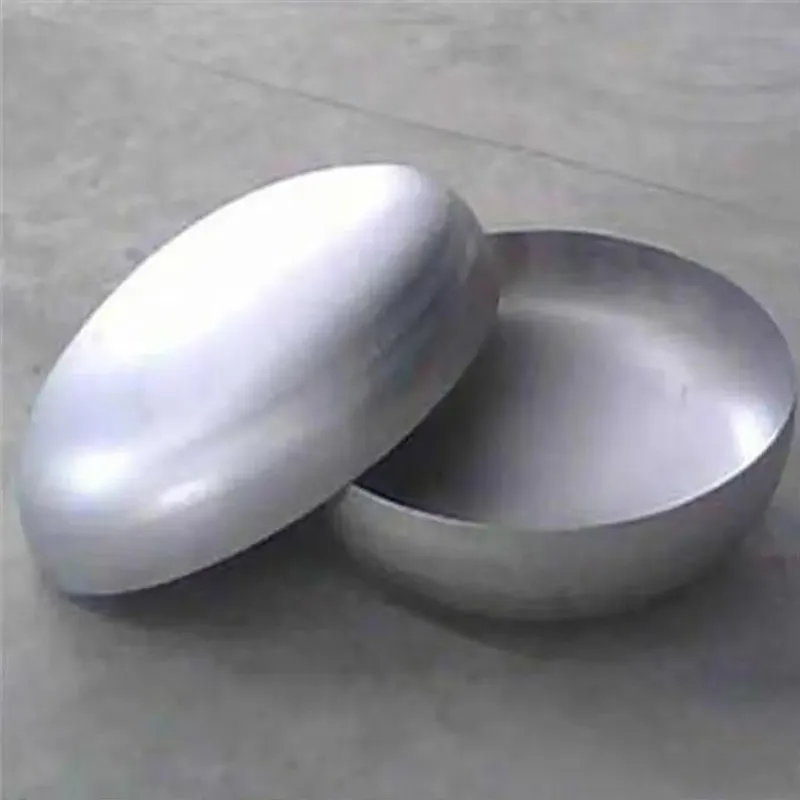
Pipe Cap-Cangzhou Lion Technology Co., Ltd.|Enhancing System Efficiency&Durability
Pipe Cap-Cangzhou Lion Technology Co., Ltd.|Enhancing System Efficiency&Durability
Pipe Cap-Cangzhou Lion Technology Co., Ltd.|Enhancing System Efficiency&Durability
Pipe Cap-Cangzhou Lion Technology Co., Ltd.|Enhancing System Efficiency&Durability
Pipe Cap-Cangzhou Lion Technology Co., Ltd.|Enhancing System Efficiency&Durability