tel
Email
to top

Steel Elbow: Stainless or Galvanized - Seamless, In Stock?

Oct 08 2025
share:

Elbow Fittings: What the Field Is Really Buying This Year

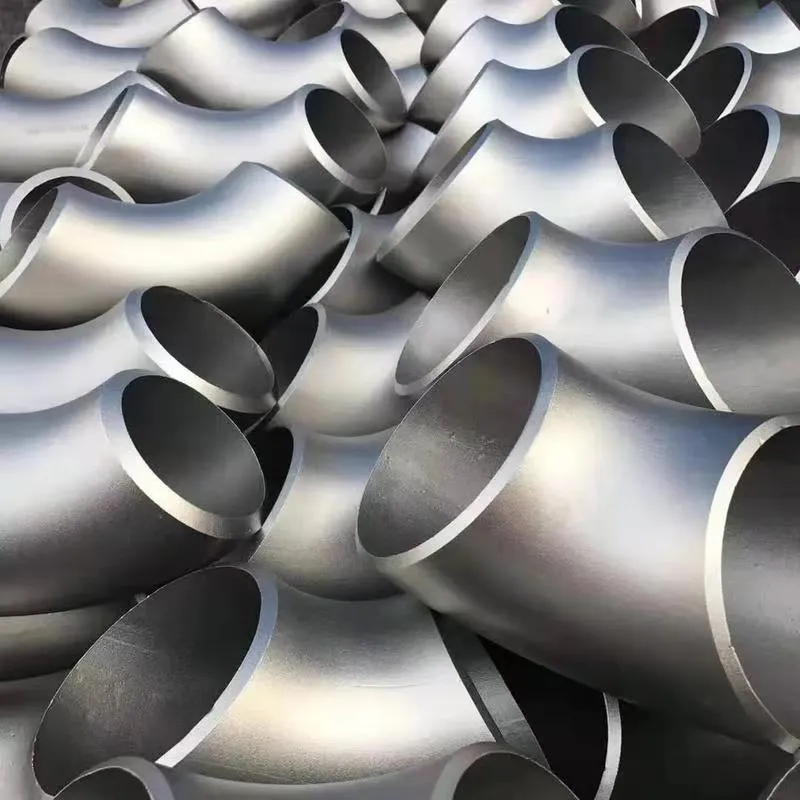
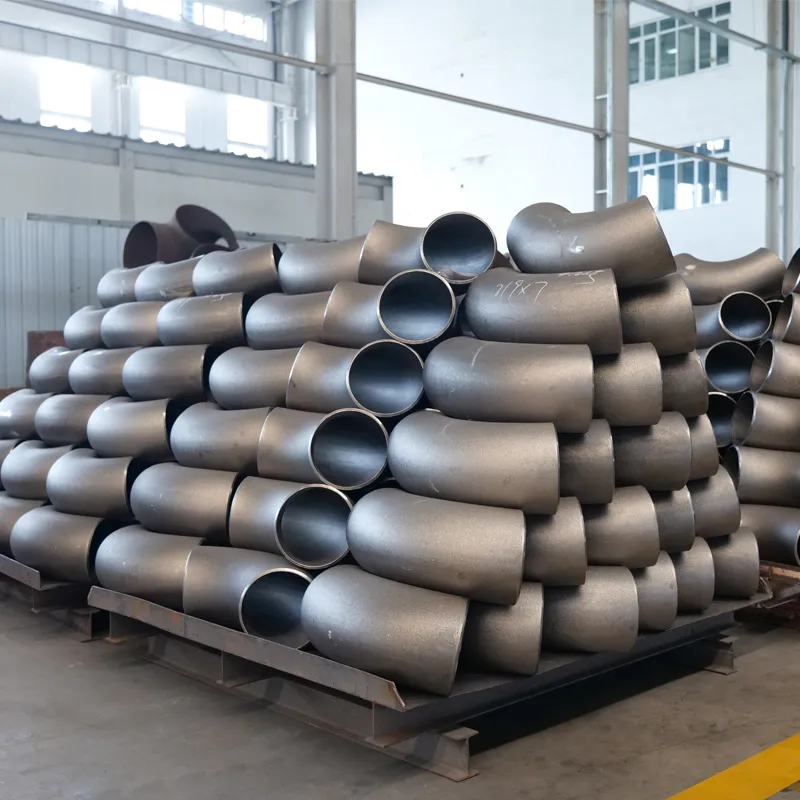
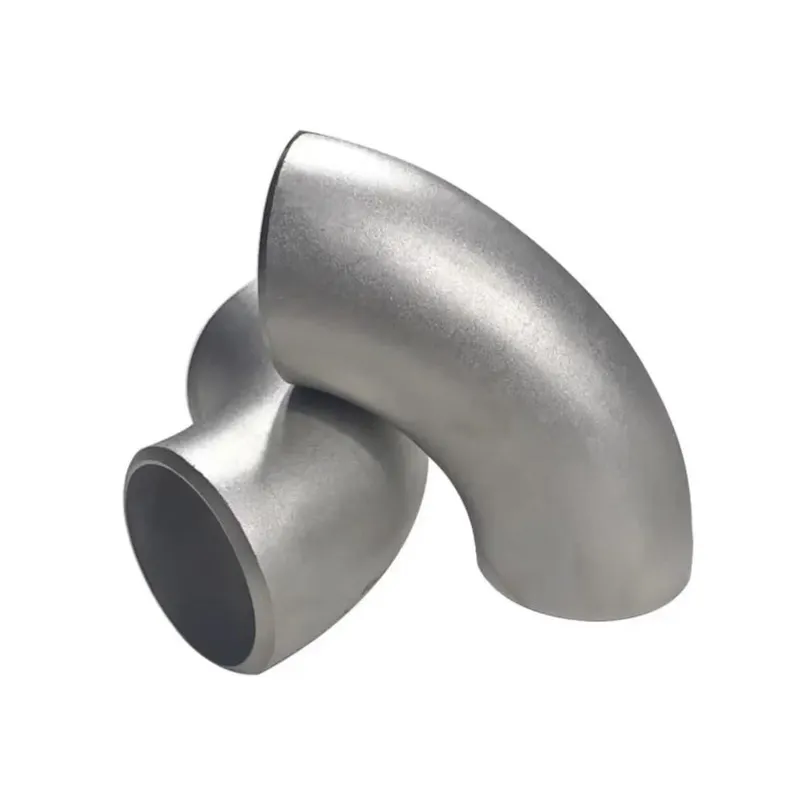
If you’ve ever tried to keep a critical line on schedule, you already know the unsung workhorse is the humble steel elbow. Sounds simple, right? Change the direction, weld it in, move on. In practice, spec’ing the right elbow is where projects quietly succeed—or slowly leak money. I’ve toured shops from Hebei to Houston, and the difference shows up in wall consistency, heat treatment, and test discipline more than flashy catalogs.
Steel Elbow: Stainless or Galvanized - Seamless, In Stock?

What’s trending (and why it matters)

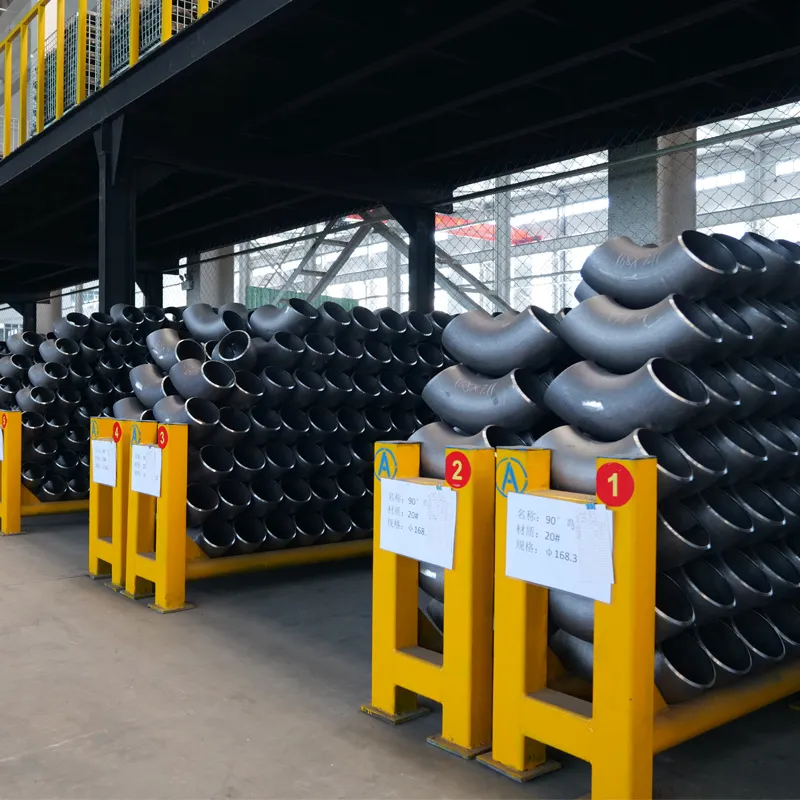
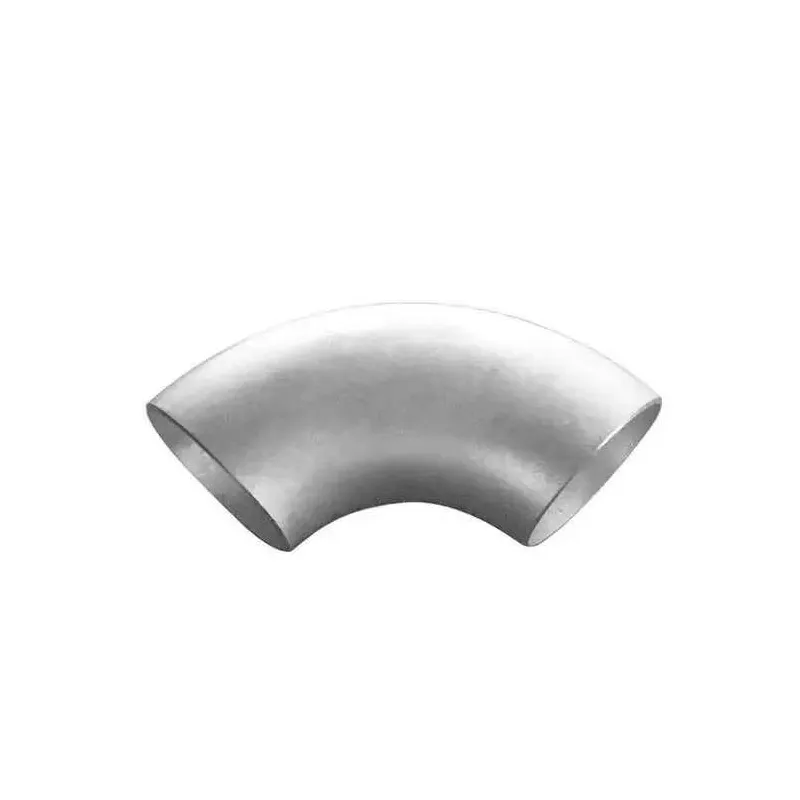
Three clear shifts: larger diameters (DN1000+), tougher media (desal/brine, sour service), and tighter traceability. Many buyers now ask for PMI on 100% stainless lots and full MTR chains tied to heat numbers—no surprises there. The demand sweet spot remains 45°, 90°, and 180° in DN15–DN2000, with long radius (LR 1.5D) favored on higher flow lines to keep pressure drop sane. Short radius (SR 1D)? Still used in tight racks—careful on erosion rates.
Steel Elbow: Stainless or Galvanized - Seamless, In Stock?

Materials, methods, and real-world QA

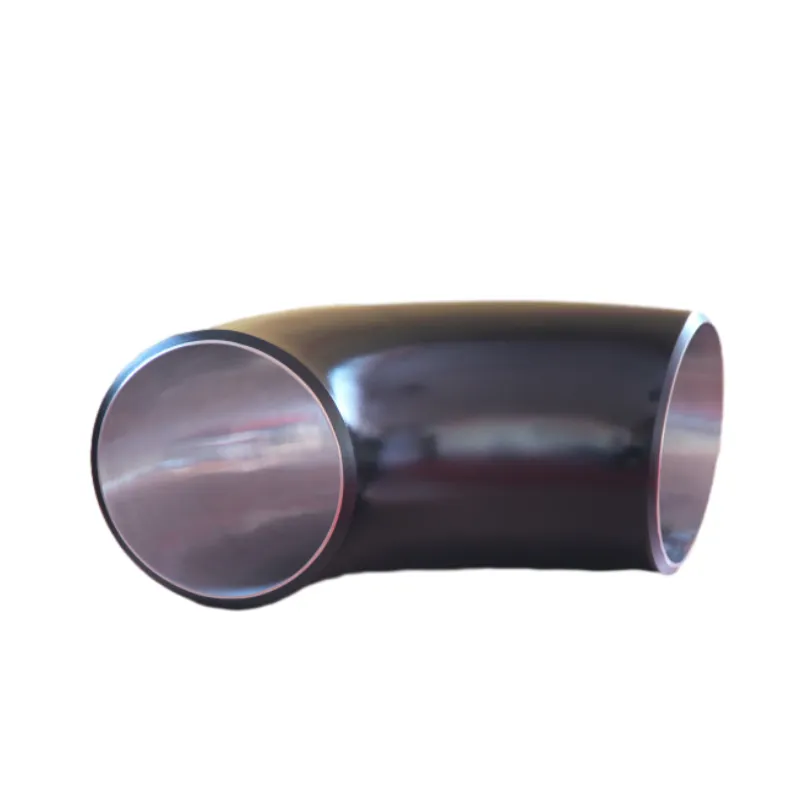
Carbon grades like ASTM A234 WPB/WPC (or low-temp A420 WPL6) and stainless grades ASTM A403 WP304/304L/316/316L still dominate. Forming is typically hot-push or induction bend with precise mandrel control, followed by normalization (carbon) or solution anneal (stainless). Good shops bevel to ASME B16.25, shot-blast, then size-check with go/no-go gauges. Testing that actually catches issues: UT/MT on weld seams (where applicable), PMI on stainless, hardness checks (≈170–235 HB for WPB), and hydro per client request at ≈1.5× design pressure. To be honest, the hydro step is often skipped on fittings unless a spec or client insists.
Steel Elbow: Stainless or Galvanized - Seamless, In Stock?

Core Specs at a Glance

Parameter Typical Range Notes
Size (DN) DN15–DN2000 Oversize on request
Angles 45°, 90°, 180° 3D/5D bends available
Radius LR 1.5D / SR 1D ASME B16.9
Schedules Sch 10–XXS Real-world use may vary
Materials A234 WPB / A403 304/316(L) NACE options
Standards ASME B16.9, MSS SP-75 Bevels to B16.25
Steel Elbow: Stainless or Galvanized - Seamless, In Stock?

Where they go (and what operators say)

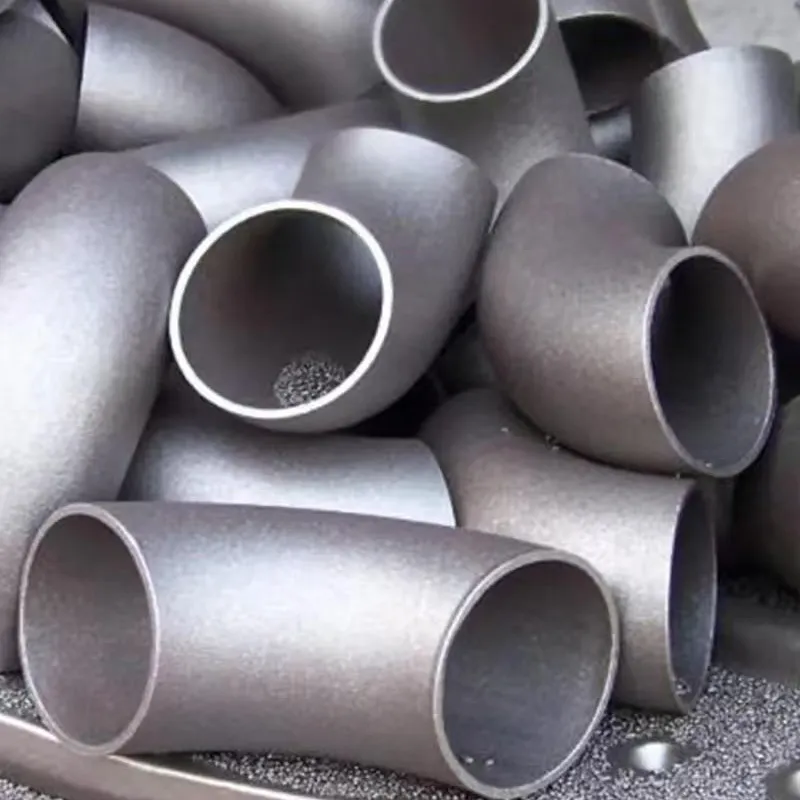
Oil & gas gathering, refinery headers, chemical plants, thermal power, HVAC mains, water transmission, even slurry lines. Many customers say LR elbows calm turbulence and reduce noise on pump discharge. In fact, I’ve seen maintenance crews prefer a steel elbow with smoother ID finish over a cheaper piece—welders report faster fit-up and less rework.
Steel Elbow: Stainless or Galvanized - Seamless, In Stock?

Who’s supplying—and how they differ

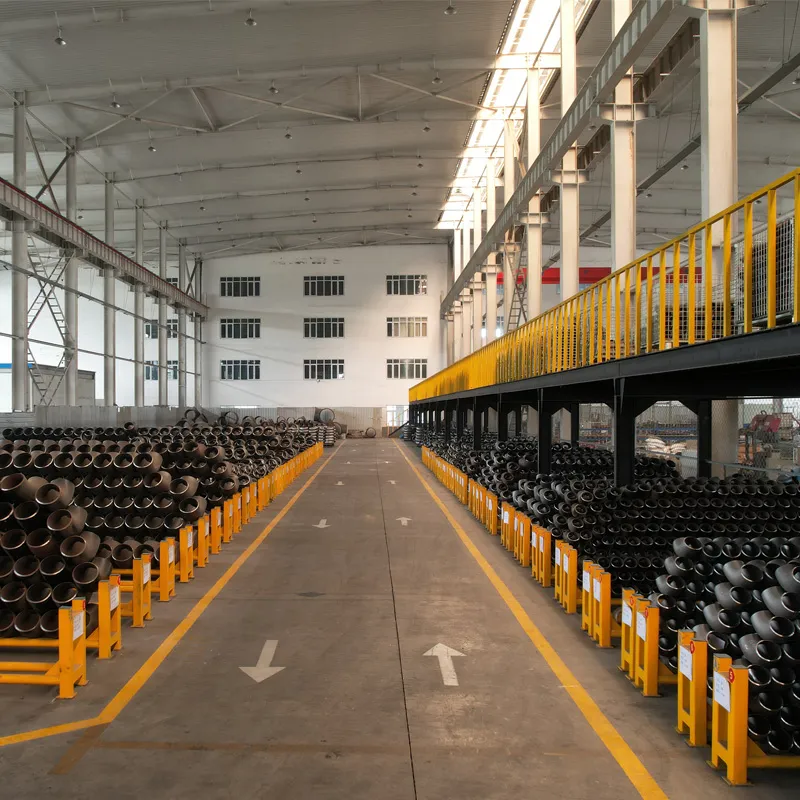
From the Economic Development Zone of Mengcun county, Cangzhou, Hebei, a cluster of specialist makers ships globally. The better ones are quietly obsessive about heat treatment logs and dimensional checks. Here’s a quick, realistic comparison (≈ values):

Vendor Certs Lead Time NDT Traceability Notes
Lion Pipeline ISO 9001, CE/PED ≈ 10–25 days UT/MT, PMI (stainless) Heat-to-piece mapping Solid MTR package
Vendor A ISO 9001 ≈ 20–35 days Random UT Batch-level Lower cost
Vendor B ISO 9001, API Q1 ≈ 15–30 days UT/MT 100% Digital QR system Pricey but robust
Steel Elbow: Stainless or Galvanized - Seamless, In Stock?

Customization that actually helps

  • Coatings: FBE, 3LPE, paint systems for coastal yards
  • End prep: bevel, plain end, or grooved (around 0.8–1.6 mm land)
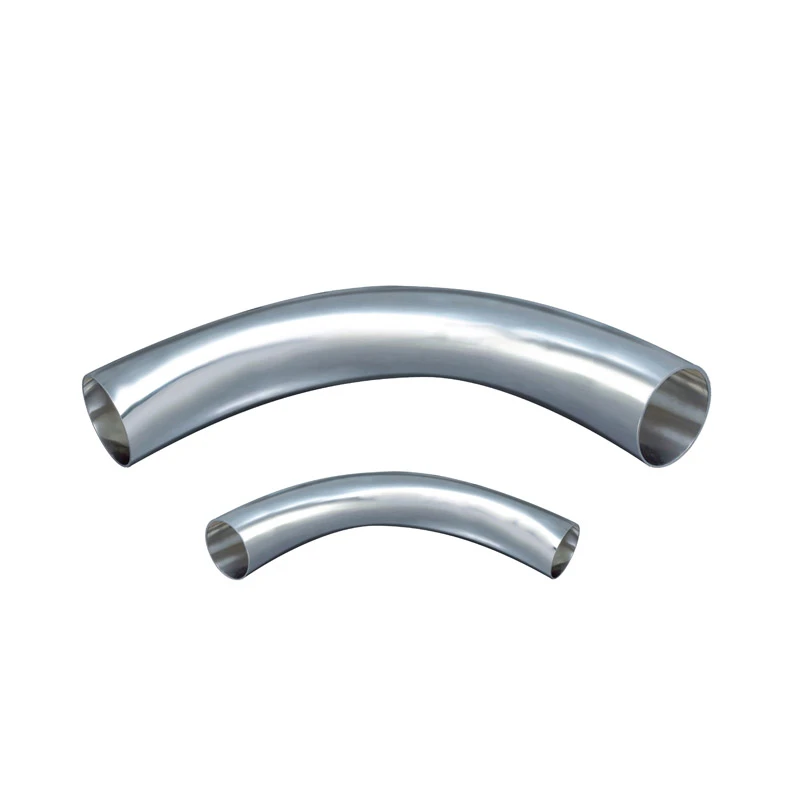
  • Special radii: 3D/5D induction bends for smoother hydraulics
  • Docs: EN 10204 3.1 MTR, hardness/impact charts, WPS/PQR copies on request
Steel Elbow: Stainless or Galvanized - Seamless, In Stock?

Quick cases from the field

Case 1 – Refinery header upgrade: DN600, 90° LR, ASTM A234 WPB, Sch 40. Hydro at 1.5× design (24 bar test), UT 100%, hardness avg 182 HB. Ops team said the steel elbow cut pump vibration by “noticeable” margins—flow modeling later confirmed reduced turbulence.

Case 2 – Municipal water trunk line: DN1200, 45° LR, epoxy-lined. Site welders liked the consistent ovality; fit-up time reportedly dropped ≈12%. Five-month follow-up: zero coating holidays detected after touch-up.
Steel Elbow: Stainless or Galvanized - Seamless, In Stock?

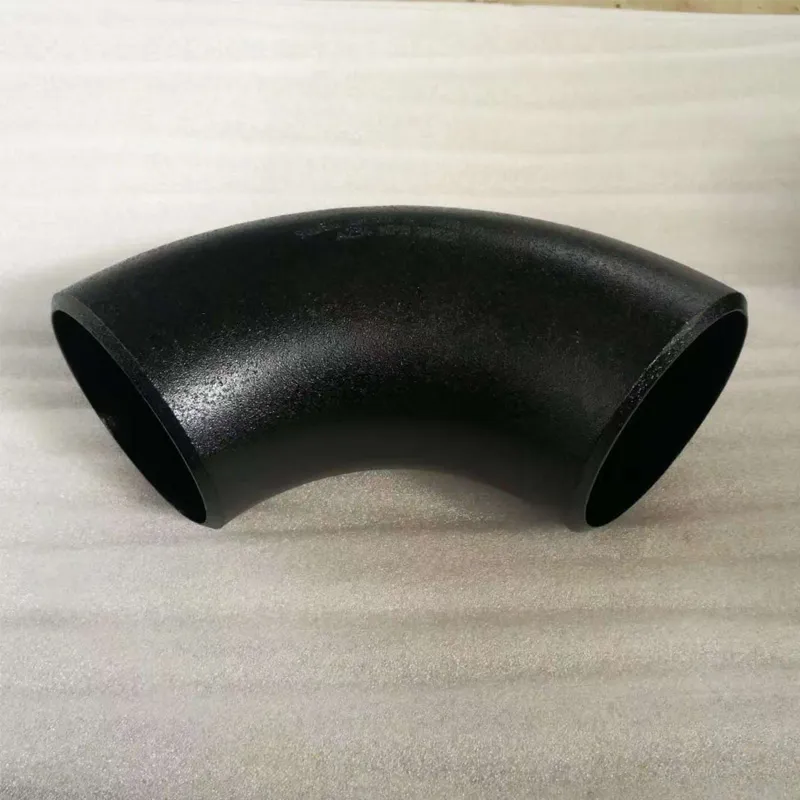
Expected service life? In normal hydrocarbons, a steel elbow can run 20–30 years; corrosive or erosive duty shrinks that, so spec material and radius thoughtfully. Honestly, it’s the small details—radius choice, weld bevel quality, and traceable heat treatment—that keep shutdowns off the calendar.
Steel Elbow: Stainless or Galvanized - Seamless, In Stock?

Standards and references

  • Dimensional: ASME B16.9; bevels: ASME B16.25
  • Materials: ASTM A234 (carbon), ASTM A403 (stainless)
  • Quality: ISO 9001; PED for EU pressure equipment

Want drawings, MTR samples, or a price check on LR vs SR? It seems the fastest path is sharing line media, pressure class, and schedule—then the right steel elbow spec becomes obvious.
  1. ASME B16.9 – Factory-Made Wrought Buttwelding Fittings
  2. ASTM A234/A234M – Piping Fittings of Wrought Carbon Steel
  3. ASTM A403/A403M – Wrought Austenitic Stainless Steel Fittings
  4. ISO 9001 – Quality Management Systems
  • Reducer

    Reducer

    Reducer is a pipe fitting used to connect pipes of different diameters, facilitating smooth transitions between varying flow capacities in piping systems. Available in concentric and eccentric designs, reducers help maintain optimal flow efficiency while minimizing pressure loss and turbulence.
    VIEW ALL
  • Laser Clad  Pipe

    Laser Clad Pipe

    Laser clad steel pipes are manufactured using laser cladding technology. This technology involves adding cladding material to the surface of ordinary steel pipe base material, using high-energy-density laser beams to fuse the cladding material with the steel pipe surface, forming a metallurgically bonded cladding layer. These pipes are generally used in compressed air energy storage projects as underground deep well transportation pipes or casings, as well as in oil, natural gas, and geothermal well extraction.
    VIEW ALL
  • Flange

    Flange

    Flange Product Introduction Flanges are used to connect pipes to pipes or pipes to equipment, ensuring a sealed and stable connection. They prevent fluid leakage and can withstand certain pressures and stresses, ensuring reliable connections. Flange nominal diameters range from DN15-DN2000 and beyond, covering various pipeline connection needs. Flanges primarily adhere to international standards such as ASME B16.5-2020, ASME B16.47-2020, and API 6A-2018.
    VIEW ALL
To create value for customers!
Cangzhou Leo Technology Co., Ltd. is located in Mengcun County Economic Development Zone, Cangzhou City, Hebei Province. It is a specialized high-tech enterprise that integrates the research and development, production, and sales of composite pipes and fittings.
News
The company regards product quality as the life of the enterprise, establishes a sound quality management system in accordance with the requirements of industry and national standards, controls all aspects of input and output in the whole process, pays attention to every detail, and ensures that the product delivery pass rate is 100%.
Industrial Guide to High Quality 5 8 Stainless Steel Tubing

Industrial Guide to High Quality 5 8 Stainless Steel Tubing

The Ultimate Guide to 5 8 Stainless Steel Tubing for Industrial Applications In the world of high-pressure fluid systems and structural engineering, precision is everything. 5 8 stainless steel tubing serves as a critical component across various sectors, providing an optimal balance between wall thickness, flow capacity, and mechanical strength. Whether you are dealing with corrosive chemicals in a pharmaceutical plant or high-temperature steam in a power station, choosing the right tubing size and grade is essential for system longevity and safety. This guide explores the technical nuances, material advantages, and practical applications of this specific tubing dimension to help you make an informed procurement decision.
5 8 Square Tubing Applications and Technical Specifications

5 8 Square Tubing Applications and Technical Specifications

The Ultimate Guide to 5 8 Square Tubing: Applications and Specifications When it comes to structural integrity and precision engineering, selecting the right materials is the cornerstone of any successful project. 5 8 square tubing offers a perfect balance of strength, weight, and versatility, making it a preferred choice for architects, automotive engineers, and DIY enthusiasts alike. Whether you are constructing a heavy-duty industrial frame or a sleek piece of modern furniture, understanding the nuances of this specific tubing size is essential for optimizing performance. In this comprehensive guide, we will explore the technical specifications, material options, and various industry applications
Ultimate Guide to 4130 Tubing Strength Performance and Applications
Ultimate Guide to 4130 Tubing Strength Performance and Applications

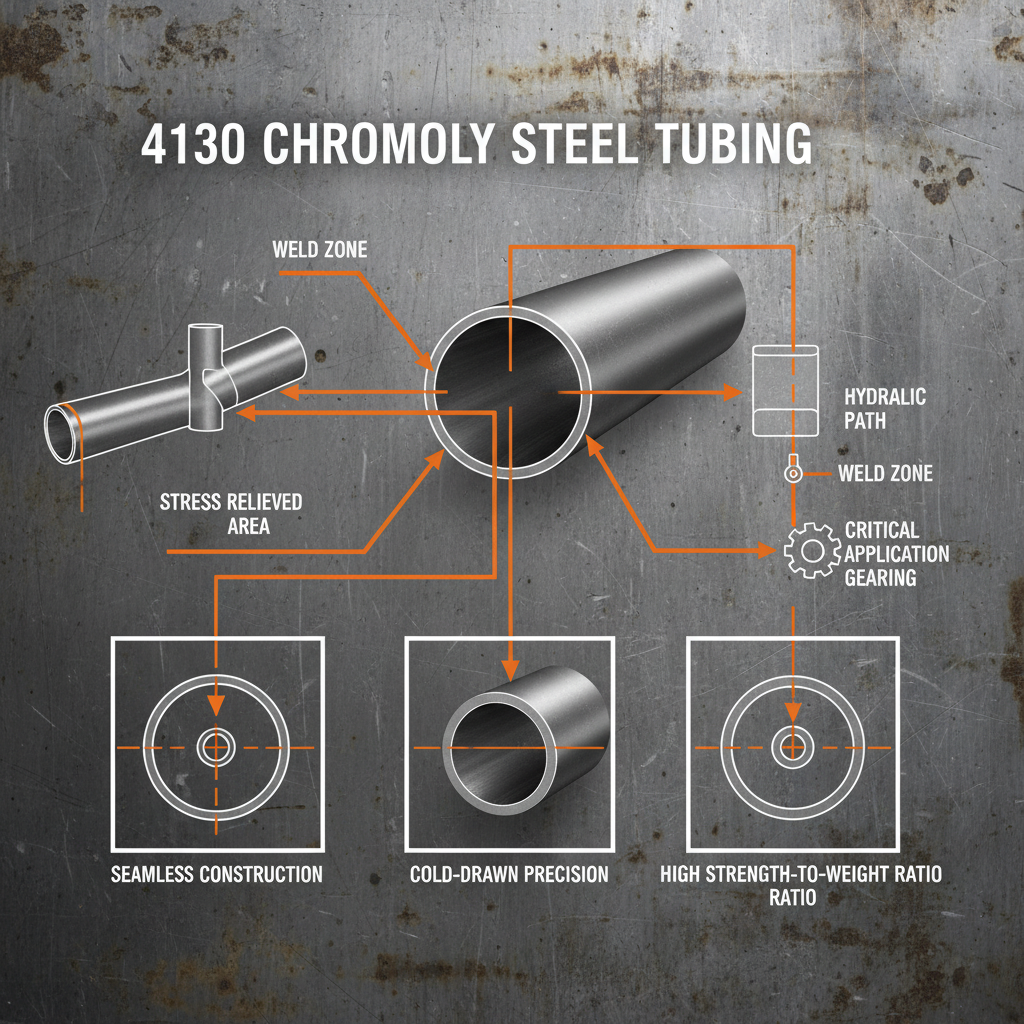
In the world of high-performance engineering, material selection is the foundation of safety and efficiency. 4130 tubing is widely regarded as the gold standard for applications requiring an exceptional strength-to-weight ratio. This chrome-molybdenum alloy steel is engineered to withstand extreme stress while remaining lightweight enough for aerospace and automotive use. Whether you are designing a roll cage, a bicycle frame, or a critical industrial component, understanding the nuances of this material is essential. In this comprehensive guide, we will explore why this specific alloy is preferred by engineers worldwide and how to choose the right specifications for your project.
Properties and Industrial Applications of 4130 steel tubing

Properties and Industrial Applications of 4130 steel tubing

In the world of high-performance engineering, material selection is the foundation of safety and efficiency. 4130 steel tubing is widely recognized as the gold standard for applications requiring an exceptional strength-to-weight ratio. Known for its versatility and reliability, this chromium-molybdenum alloy is the preferred choice for everything from aircraft frames to professional roll cages. Understanding the nuances of this material allows engineers to optimize structural integrity without adding unnecessary bulk. In this comprehensive guide, we will explore why this specific alloy remains a top choice for critical industrial and aerospace components.
Comprehensive Guide to 40mm Steel Tube Applications and Material Selection

Comprehensive Guide to 40mm Steel Tube Applications and Material Selection

40mm steel tube is a versatile and widely used material in various industries, from construction and manufacturing to automotive and beyond. Its strength, durability, and cost-effectiveness make it an ideal choice for numerous applications. This article will delve into the characteristics, applications, benefits, and considerations when working with 40mm steel tube, providing a comprehensive overview for professionals and anyone interested in this essential material.
Comprehensive Guide to 40mm Steel Pipe Applications and Considerations

Comprehensive Guide to 40mm Steel Pipe Applications and Considerations

40mm steel pipe is a widely used material in various industries due to its strength, durability, and cost-effectiveness. From construction and infrastructure projects to industrial applications and fluid transportation, this pipe size offers a versatile solution. This article will delve into the properties, applications, standards, and key considerations when selecting 40mm steel pipe, helping you make informed decisions for your specific needs.
tel email tel top

If you are interested in our products, you can choose to leave your information here, and we will be in touch with you shortly.