tel
Email
to top

Stainless Steel Bend | Factory-Direct Mandrel, 304 & Exhaust

Nov 10 2025
share:

Stainless Steel Bend is a key solution in the manufacturing industry, specifically within Fabricated metal products and Manufacturing of pipes and fittings. This article explores how Cangzhou Lion Technology Co., Ltd. supports professionals with durable, high-performance products, and explains why this product is an ideal choice for businesses in these sectors.
Stainless Steel Bend | Factory-Direct Mandrel, 304 & Exhaust

Table of Contents

Stainless Steel Bend Overview

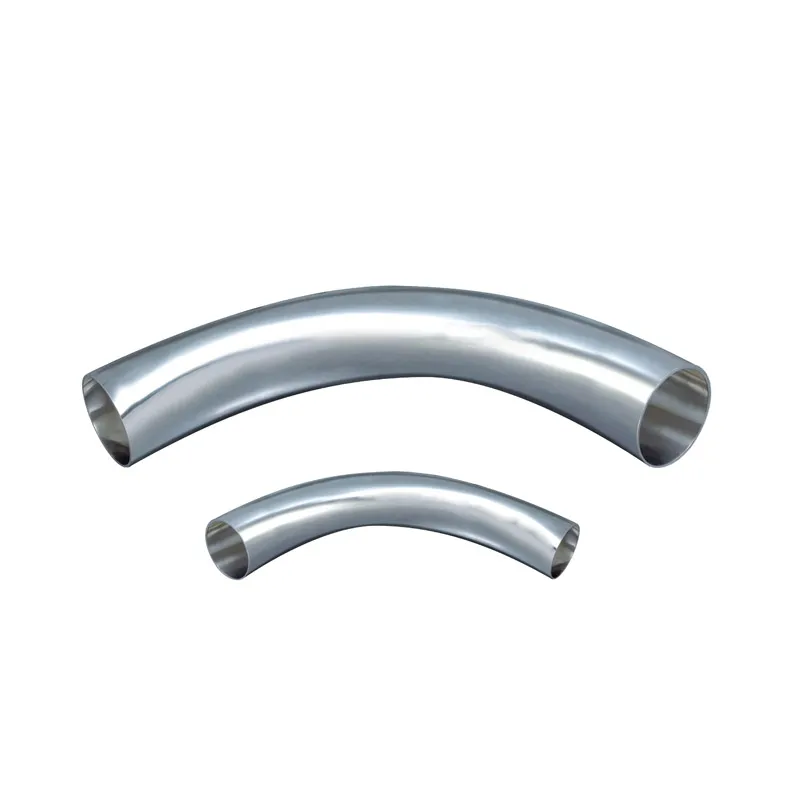
In fluid and gas networks, a Stainless Steel Bend redirects flow while maintaining cross-sectional integrity and minimizing pressure loss. Compared with sharp elbows, long-radius bends reduce turbulence and erosion, which is critical in hygienic, corrosive, or high-velocity lines. Typical specifications include OD from 1/2" to 60", wall schedules from SCH10 to SCH160, and radii from 1D to 5D (and custom). Standard bend angles include 15°, 30°, 45°, 60°, 90°, and 180°, produced via cold mandrel, hot-induction, or roll bending depending on diameter and wall thickness. Materials frequently specified are 304/304L, 316/316L, and 321 for elevated temperature or corrosive media—making 304 stainless bends a versatile, procurement-friendly choice for general industry.

Cangzhou Lion Technology Co., Ltd. manufactures to international standards such as ASTM A403 for stainless butt-weld fittings and aligns with piping codes in oil & gas, chemical processing, power generation, water treatment, and food & beverage. A recent upgrade at a midstream operator replaced multiple elbows with hot-induction 3D bends, cutting weld counts by 30% and improving piggability. From stainless exhaust tubing bends for heavy-duty OEMs to sanitary lines in beverage plants, Lion’s engineered bends are built for reliability, cleanability, and service life.

Benefits & Use Cases of Stainless Steel Bend in Manufacturing of pipes and fittings

Across fabricated metal products, Stainless Steel Bend components are deployed anywhere flow quality and uptime matter: process skids, utility header lines, boiler feedwater, CIP loops, compressed air, and HVAC plenums. In exhaust and emissions systems, stainless exhaust tubing bends withstand thermal cycling and condensates better than alternatives, ensuring dimensional stability and lower system noise. In sanitary or corrosive production—dairy, brewery, pharma—316L bends minimize pitting risk and support consistent clean-in-place outcomes.

  • Flow efficiency: long-radius geometry reduces turbulence and pressure drop, lowering pump/fan energy consumption.
  • Corrosion and heat resistance: 304 stainless bends cover general duty; 316/316L tackle chlorides; 321 handles elevated temperatures.
  • Weld reduction: replacing multiple elbows with a single bend cuts welds, inspection hours, and leak risk.
  • Fabrication flexibility: custom radii, ovals, and thick-wall options for piggable lines, vacuum service, and high-pressure circuits.

Cangzhou Lion Technology Co., Ltd. brings extensive bending expertise, from small-diameter sanitary spools to large-bore hot-induction bends for transmission pipelines. For OEMs specifying mild steel exhaust pipe bends in cost-sensitive platforms, Lion also supplies comparable carbon steel options—while helping engineering teams evaluate lifecycle advantages when upgrading to stainless.

Cost, Maintenance & User Experience

Total cost of ownership for a Stainless Steel Bend reaches beyond unit price. Fewer welds mean lower fabrication labor and NDT costs. Smoother flow paths decrease energy consumption, and corrosion resistance extends service life, reducing unplanned downtime. In many projects, upgrading from painted carbon steel to stainless pays back through reduced maintenance and longer changeout intervals—especially where chlorides, acids, steam, or frequent washdowns are present.

  • Durability: austenitic stainless grades retain strength and surface finish under thermal cycling and vibration, resulting in stable alignment and seal integrity.
  • Maintenance: reduced scaling and pitting lower cleaning frequency and chemical usage in hygienic lines.
  • ROI: customers in the fabricated metal products sector report fewer leak repairs and faster commissioning thanks to precision bends that fit first time.

Cangzhou Lion Technology Co., Ltd. supports users with clear MTRs, weld-end prep consistency, and packaging that protects bevels—accelerating onsite fit-up. Whether your spec calls for 304 stainless bends for utilities or higher-alloy bends for aggressive media, Lion streamlines procurement and installation to reduce overall project risk.

Sustainability & Market Trends in manufacturing

Manufacturing is moving toward lower emissions, higher efficiency, and traceable supply chains. Stainless steel aligns with these trends: it is highly recyclable, offers long service life, and minimizes repainting or chemical inhibitors common with carbon steel. In process industries, pressure on energy intensity and water stewardship favors long-radius bends that reduce pumping power and enable effective CIP, cutting both utilities and chemical consumption.

  • Regulatory readiness: hygienic design and corrosion resistance support compliance in food, beverage, and pharma applications.
  • Design for longevity: specifying Stainless Steel Bend components reduces waste across asset lifecycles.
  • Operational efficiency: lower pressure losses and better cleanability align with decarbonization goals.

Cangzhou Lion Technology Co., Ltd. embraces forward-thinking manufacturing practices, emphasizing precise forming, material traceability, and quality assurance to deliver consistent bends with minimized rework and scrap. For B2B decision makers aiming to future-proof their networks, Lion’s portfolio—spanning stainless exhaust tubing bends, sanitary bends, and large-diameter induction bends—helps meet performance and sustainability KPIs simultaneously.

Conclusion on Stainless Steel Bend from Cangzhou Lion Technology Co., Ltd.

From utilities to hygienic processing and exhaust systems, a Stainless Steel Bend delivers cleaner flow, fewer welds, and longer life—key advantages for fabricated metal products and the manufacturing of pipes and fittings. Cangzhou Lion Technology Co., Ltd. combines material expertise, advanced bending processes, and dependable QA to reduce your lifecycle costs and installation risk. Ready to optimize your next project?
  • Reducer

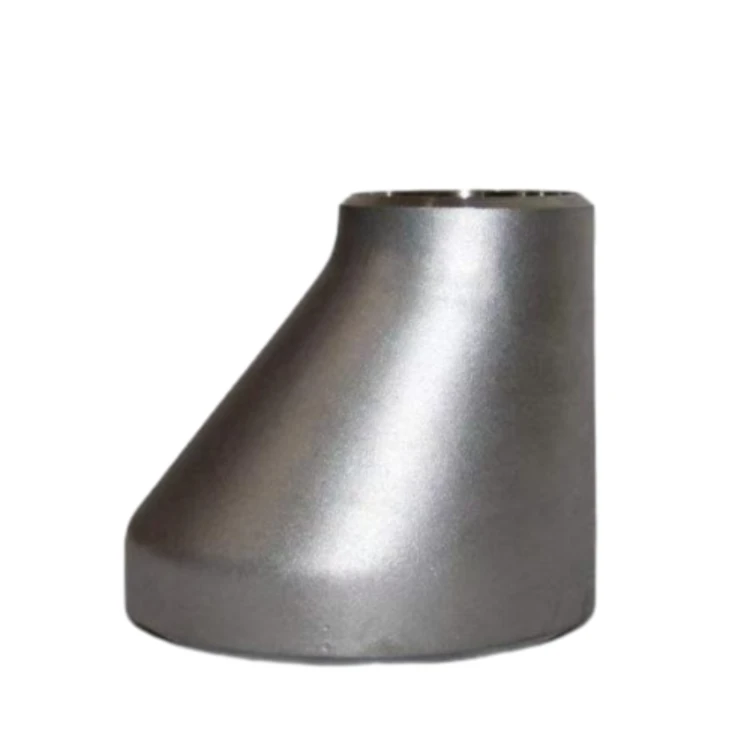
    Reducer

    Reducer is a pipe fitting used to connect pipes of different diameters, facilitating smooth transitions between varying flow capacities in piping systems. Available in concentric and eccentric designs, reducers help maintain optimal flow efficiency while minimizing pressure loss and turbulence.
    VIEW ALL
  • Flange

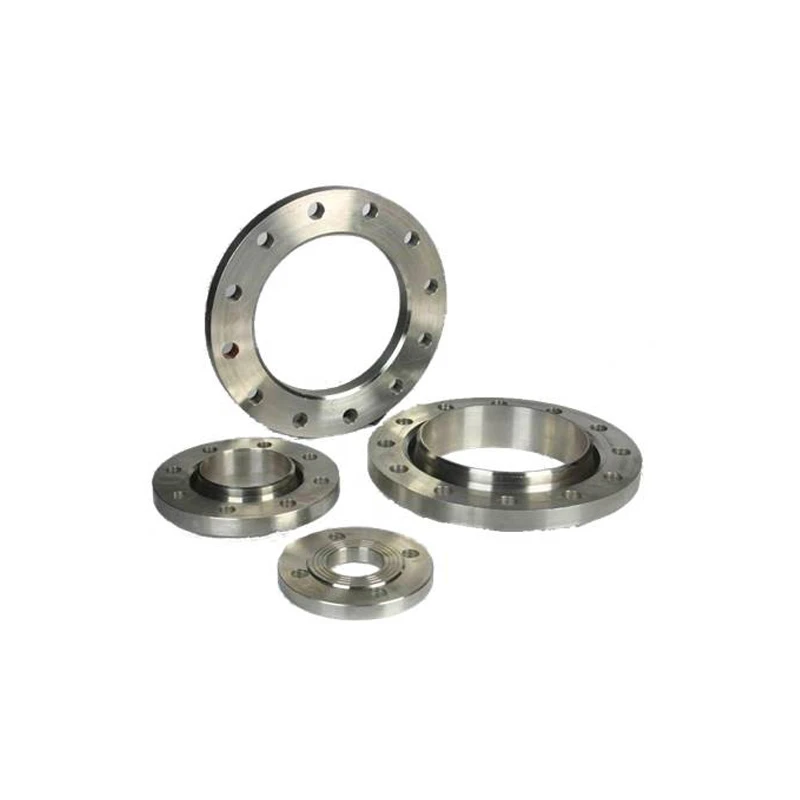
    Flange

    Flange Product Introduction Flanges are used to connect pipes to pipes or pipes to equipment, ensuring a sealed and stable connection. They prevent fluid leakage and can withstand certain pressures and stresses, ensuring reliable connections. Flange nominal diameters range from DN15-DN2000 and beyond, covering various pipeline connection needs. Flanges primarily adhere to international standards such as ASME B16.5-2020, ASME B16.47-2020, and API 6A-2018.
    VIEW ALL
  • Laser Clad  Pipe

    Laser Clad Pipe

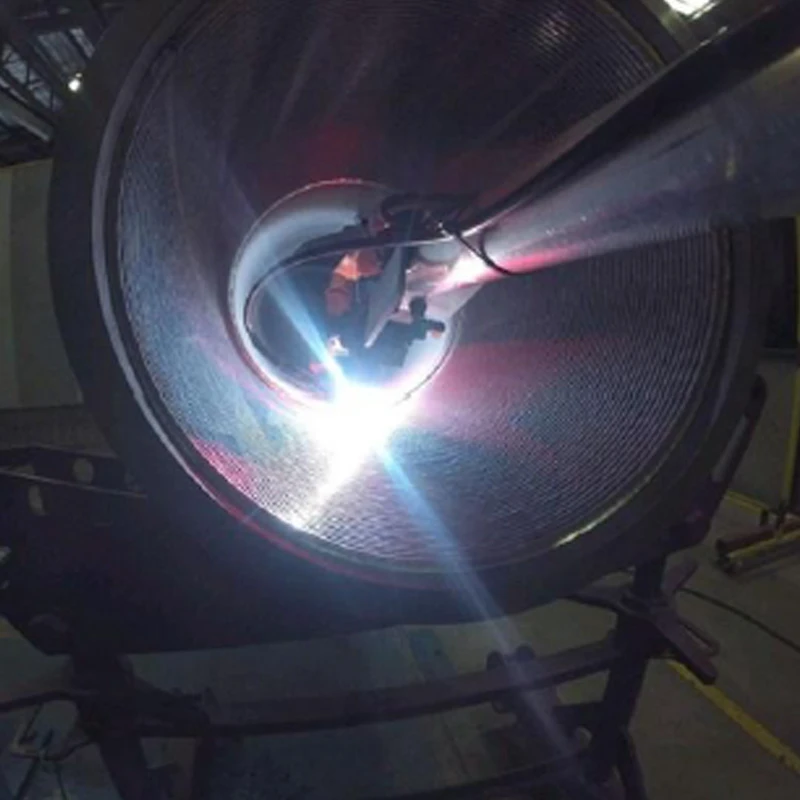
    Laser clad steel pipes are manufactured using laser cladding technology. This technology involves adding cladding material to the surface of ordinary steel pipe base material, using high-energy-density laser beams to fuse the cladding material with the steel pipe surface, forming a metallurgically bonded cladding layer. These pipes are generally used in compressed air energy storage projects as underground deep well transportation pipes or casings, as well as in oil, natural gas, and geothermal well extraction.
    VIEW ALL
To create value for customers!
Cangzhou Leo Technology Co., Ltd. is located in Mengcun County Economic Development Zone, Cangzhou City, Hebei Province. It is a specialized high-tech enterprise that integrates the research and development, production, and sales of composite pipes and fittings.
News
The company regards product quality as the life of the enterprise, establishes a sound quality management system in accordance with the requirements of industry and national standards, controls all aspects of input and output in the whole process, pays attention to every detail, and ensures that the product delivery pass rate is 100%.
High Performance Sink Pipe Steel Guide for Industrial Piping

High Performance Sink Pipe Steel Guide for Industrial Piping

High-Performance Sink Pipe Steel: The Ultimate Guide to Industrial Piping In the demanding world of industrial manufacturing and pressure vessel construction, the selection of materials for piping systems is critical. Utilizing high-quality sink pipe steel ensures that systems can withstand extreme pressures, corrosive media, and mechanical stress. Whether it is for chemical processing, oil and gas, or construction, the right steel grade and fitting geometry can mean the difference between seamless operation and costly system failure. This guide explores the technical nuances of steel elbows and specialized clad materials designed for the most rigorous environments.
Ultimate Guide to Industrial Seamless Steel Pipe for Piping

Ultimate Guide to Industrial Seamless Steel Pipe for Piping

In the realm of modern industrial infrastructure, the integrity of piping systems is non-negotiable. The seamless steel pipe stands as the gold standard for transporting high-pressure fluids and gases. Unlike welded alternatives, seamless pipes are manufactured without a longitudinal seam, eliminating the most common point of failure and ensuring superior structural consistency. This makes them indispensable in sectors where safety and reliability are paramount, such as petroleum, nuclear power, and thermal energy. In this comprehensive guide, we will explore the technical advantages, material specifications, and critical applications of these high-performance components to help you make an informed procurement decision.
High Performance Seamless Steel Pipes for Industrial Piping

High Performance Seamless Steel Pipes for Industrial Piping

In the world of industrial fluid transportation and pressure vessel manufacturing, the choice of piping material can determine the safety and longevity of an entire system. Seamless steel pipes are engineered to withstand extreme conditions without the risk of weld-line failure, making them the gold standard for high-pressure environments. From oil and gas pipelines to hydraulic systems, these pipes offer unmatched structural integrity. In this comprehensive guide, we will explore the technical specifications, benefits, and diverse applications of carbon seamless steel solutions to help you make an informed procurement decision for your next engineering project.
High Performance Seamless Stainless Steel Pipe for Industrial Use

High Performance Seamless Stainless Steel Pipe for Industrial Use

The Ultimate Guide to Seamless Stainless Steel Pipe for Industrial Applications In the demanding world of oil and gas extraction, particularly in fields characterized by high hydrogen sulfide and carbon dioxide levels, the integrity of transportation infrastructure is critical. While traditional carbon steel often fails due to insufficient corrosion resistance, the seamless stainless steel pipe emerges as a premium solution. By eliminating weld seams, these pipes provide superior structural integrity and a seamless barrier against corrosive media. For industries operating under extreme pressure and chemical aggression, choosing the right piping material is not just about efficiencyit is about safety and long-term economic viability.
Industrial Piping Solutions Using Durable sch 40 steel pipe

Industrial Piping Solutions Using Durable sch 40 steel pipe

Optimizing Industrial Piping with SCH 40 Steel Pipe Solutions In the demanding world of industrial manufacturing and fluid transport, selecting the right piping specification is critical for safety and efficiency. The sch 40 steel pipe serves as a global standard for versatility, balancing wall thickness with internal flow capacity. Whether used in petrochemical plants, marine environments, or construction, this pipe grade provides the structural reliability needed to handle moderate pressures. However, as industries evolve, the integration of advanced technologies like laser cladding is transforming how we enhance these pipes to resist extreme corrosion and wear, extending the lifecycle of critical infrastructure.
Industrial 5 inch steel tubing Guide for High Pressure Systems

Industrial 5 inch steel tubing Guide for High Pressure Systems

The Ultimate Guide to 5 Inch Steel Tubing for Industrial Applications When designing high-pressure piping systems or structural frameworks, selecting the right material dimensions is critical for safety and efficiency. The 5 inch steel tubing serves as a versatile midpoint in industrial piping, offering a perfect balance between flow capacity and structural rigidity. Whether it is used in oil and gas transport, water management, or architectural support, the quality of the steel determines the longevity of the entire project. In this comprehensive guide, we will explore the technical specifications, material grades, and strategic advantages of utilizing this specific tubing size
tel email tel top

If you are interested in our products, you can choose to leave your information here, and we will be in touch with you shortly.