tel
Email
to top

Reliable 2 OD Galvanized Pipes for Industrial Use | Lion Pipeline

Dec 07 2025
share:

Understanding the 2 OD Galvanized Pipe in Industrial Applications

After spending over a decade navigating the industrial equipment maze, I can honestly say that a 2 OD galvanized pipe is one of those components that quietly powers countless projects without much fuss. You rarely get fireworks or headlines from something so straightforward, but its solid reliability and versatility remain invaluable. Oddly enough, these pipes often sneak under the radar despite their importance, so here’s a little deep dive from someone who’s handled plenty in the field.

First off, when we say "2 OD," we’re talking about a pipe with an outside diameter of roughly 2 inches. The “galvanized” part means it’s been coated with zinc to combat rust—essential for any piping exposed to moisture or harsh industrial environments. Frankly, the importance of galvanization can’t be overstated; I’ve seen unprotected steel pipes deteriorate in a few years, while galvanized ones endure for decades with minimal fuss. Many engineers insist that this simple zinc layer is a lifesaver, especially in sectors like water treatment or construction.

In real terms, the 2-inch size hits a sweet spot between ease of handling and adequate flow capacity. You can find them in everything from scaffolding to gas and water lines. I remember a project a few years ago where a client insisted on oversized pipes, but the 2 OD galvanized pipe was ultimately the best fit—less cumbersome, more cost-effective, and just as durable. It’s kind of like that reliable friend who doesn’t brag but always shows up when you need them.

Technical Specifications at a Glance

Specification Value
Outside Diameter (OD) 2 inches (50.8 mm)
Wall Thickness Varies (Typically SCH 40 or SCH 80)
Material Carbon Steel
Coating Hot-dip zinc galvanization
Length Commonly 6m or customized
Typical Uses Water pipes, scaffolding, fencing, gas lines

Galvanization methods vary—though hot-dip galvanizing remains the gold standard. It involves immersing the pipe in molten zinc, creating a robust, long-lasting bond. In the field, I’ve noticed pipes treated this way handle year-round weather swings without peeling or serious corrosion. That’s something galvanizers at companies like Lion Pipeline emphasize, and I tend to agree given my experience.

Choosing the Right Vendor: A Comparative View

Vendor Galvanizing Method Customization Options Delivery Lead Time Price Range
Lion Pipeline Hot-dip galvanizing Length, thickness, packaging 2-3 weeks (typical) Competitive
Steel Pipes Co. Electro-galvanizing Limited 1-2 weeks Moderate
Global Pipes Ltd. Hot-dip galvanizing Length, diameter, extra coatings 3-4 weeks Higher-end

In the realm of galvanized pipes, the source matters. I learned this the hard way once when a small batch from a vendor with electro-galvanizing instead of hot-dip gave up on corrosion faster than expected. Since then, I’ve mostly stuck with vendors offering hot-dip options and good customization capabilities. Cycle times and prices can vary a lot, so it’s wise to clarify your project needs upfront. For example, Lion Pipeline really stands out if you want that classic 2-inch galvanized pipe with solid quality and tailored lengths—you can’t beat reliability when downtime costs jump.

There’s a bit of an art to balancing specs and price, especially for big industrial jobs. Custom wall thicknesses or special packaging might nudge the cost up but pay off big in handling or durability. Many in the field agree it’s worth investing a bit extra to avoid headaches down the line. I actually noticed this when a client saved more on installation and maintenance expenses by going with a better-coated pipe upfront.

Ultimately, the 2 OD galvanized pipe feels like one of those unsung heroes of construction and industrial work. Not flashy, but a dependable staple that keeps things flowing smoothly. It’s an area where experience counts—a blend of solid specs, knowing your vendors, and practical considerations around installation. If you ever get the chance to see a galvanized pipe in action during a project, watch how the teams treat it with a quiet respect and trust. It’s earned that in my years on site.

So… if you’re shopping around, keep these nuances in mind. Don’t just chase the cheapest or quickest option; think about what you’re really asking your pipe to do. And if you want something tried and trusted, it’s worth checking out suppliers like Lion Pipeline. They’re the folks who know these pipes inside and out.

A quick takeaway? Well-made, properly galvanized 2-inch pipes are quietly essential—kind of like the backbone of many infrastructure projects.
References

  1. "Understanding Galvanized Steel Pipe" – Industry Journal, 2021
  2. "Hot-Dip vs Electro-Galvanizing: Pros and Cons" – MetalCo Insights, 2022
  3. My personal experience on the Midland Pipeline Project, 2017
  • Carbon Semless Steel Pipes

    Carbon Semless Steel Pipes

    Carbon Seamless Steel Pipes are made from high-quality carbon steel and manufactured without welded seams, offering exceptional strength, durability, and resistance to pressure. These pipes are ideal for a wide range of applications, including oil and gas pipelines, construction, automotive, and fluid transportation systems. The seamless design ensures uniformity, higher structural integrity, and improved performance under high pressure and temperature conditions.
    VIEW ALL
  • Bend Pipe

    Bend Pipe

    Bend is a crucial pipe fitting used to change the direction of flow in a piping system. It allows for smooth transitions between sections of pipe, accommodating layout constraints, avoiding obstacles, and optimizing flow paths. Bends are designed to maintain the fluid's velocity and minimize pressure loss while providing the necessary angle of deviation. They are commonly used in various industries, including oil and gas, petrochemicals, water supply, and HVAC systems.
    VIEW ALL
  • Elbow

    Elbow

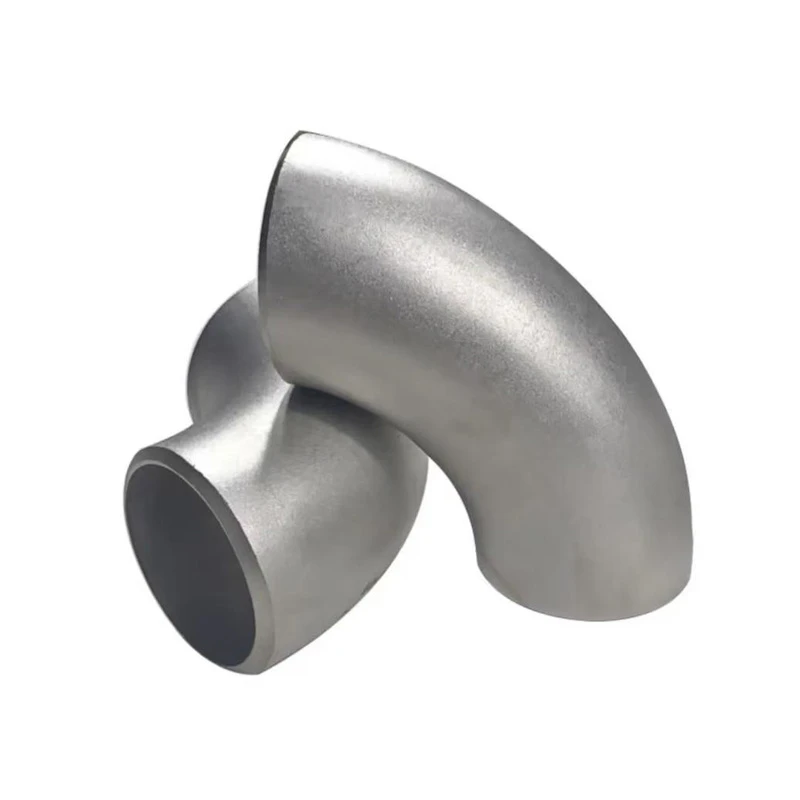
    Carbon Steel &stainless Steel Elbow Elbows are pipe fittings used to change the direction of pipelines in piping systems, commonly employed at pipeline bends. They are widely used in industries such as petroleum, chemical, and power. The common size range for elbows is DN15-DN2000, and typical angles include 45°, 90°, and 180°.
    VIEW ALL
To create value for customers!
Cangzhou Leo Technology Co., Ltd. is located in Mengcun County Economic Development Zone, Cangzhou City, Hebei Province. It is a specialized high-tech enterprise that integrates the research and development, production, and sales of composite pipes and fittings.
News
The company regards product quality as the life of the enterprise, establishes a sound quality management system in accordance with the requirements of industry and national standards, controls all aspects of input and output in the whole process, pays attention to every detail, and ensures that the product delivery pass rate is 100%.
High Performance Sink Pipe Steel Guide for Industrial Piping

High Performance Sink Pipe Steel Guide for Industrial Piping

High-Performance Sink Pipe Steel: The Ultimate Guide to Industrial Piping In the demanding world of industrial manufacturing and pressure vessel construction, the selection of materials for piping systems is critical. Utilizing high-quality sink pipe steel ensures that systems can withstand extreme pressures, corrosive media, and mechanical stress. Whether it is for chemical processing, oil and gas, or construction, the right steel grade and fitting geometry can mean the difference between seamless operation and costly system failure. This guide explores the technical nuances of steel elbows and specialized clad materials designed for the most rigorous environments.
Ultimate Guide to Industrial Seamless Steel Pipe for Piping

Ultimate Guide to Industrial Seamless Steel Pipe for Piping

In the realm of modern industrial infrastructure, the integrity of piping systems is non-negotiable. The seamless steel pipe stands as the gold standard for transporting high-pressure fluids and gases. Unlike welded alternatives, seamless pipes are manufactured without a longitudinal seam, eliminating the most common point of failure and ensuring superior structural consistency. This makes them indispensable in sectors where safety and reliability are paramount, such as petroleum, nuclear power, and thermal energy. In this comprehensive guide, we will explore the technical advantages, material specifications, and critical applications of these high-performance components to help you make an informed procurement decision.
High Performance Seamless Steel Pipes for Industrial Piping

High Performance Seamless Steel Pipes for Industrial Piping

In the world of industrial fluid transportation and pressure vessel manufacturing, the choice of piping material can determine the safety and longevity of an entire system. Seamless steel pipes are engineered to withstand extreme conditions without the risk of weld-line failure, making them the gold standard for high-pressure environments. From oil and gas pipelines to hydraulic systems, these pipes offer unmatched structural integrity. In this comprehensive guide, we will explore the technical specifications, benefits, and diverse applications of carbon seamless steel solutions to help you make an informed procurement decision for your next engineering project.
High Performance Seamless Stainless Steel Pipe for Industrial Use

High Performance Seamless Stainless Steel Pipe for Industrial Use

The Ultimate Guide to Seamless Stainless Steel Pipe for Industrial Applications In the demanding world of oil and gas extraction, particularly in fields characterized by high hydrogen sulfide and carbon dioxide levels, the integrity of transportation infrastructure is critical. While traditional carbon steel often fails due to insufficient corrosion resistance, the seamless stainless steel pipe emerges as a premium solution. By eliminating weld seams, these pipes provide superior structural integrity and a seamless barrier against corrosive media. For industries operating under extreme pressure and chemical aggression, choosing the right piping material is not just about efficiencyit is about safety and long-term economic viability.
Industrial Piping Solutions Using Durable sch 40 steel pipe

Industrial Piping Solutions Using Durable sch 40 steel pipe

Optimizing Industrial Piping with SCH 40 Steel Pipe Solutions In the demanding world of industrial manufacturing and fluid transport, selecting the right piping specification is critical for safety and efficiency. The sch 40 steel pipe serves as a global standard for versatility, balancing wall thickness with internal flow capacity. Whether used in petrochemical plants, marine environments, or construction, this pipe grade provides the structural reliability needed to handle moderate pressures. However, as industries evolve, the integration of advanced technologies like laser cladding is transforming how we enhance these pipes to resist extreme corrosion and wear, extending the lifecycle of critical infrastructure.
Industrial 5 inch steel tubing Guide for High Pressure Systems

Industrial 5 inch steel tubing Guide for High Pressure Systems

The Ultimate Guide to 5 Inch Steel Tubing for Industrial Applications When designing high-pressure piping systems or structural frameworks, selecting the right material dimensions is critical for safety and efficiency. The 5 inch steel tubing serves as a versatile midpoint in industrial piping, offering a perfect balance between flow capacity and structural rigidity. Whether it is used in oil and gas transport, water management, or architectural support, the quality of the steel determines the longevity of the entire project. In this comprehensive guide, we will explore the technical specifications, material grades, and strategic advantages of utilizing this specific tubing size
tel email tel top

If you are interested in our products, you can choose to leave your information here, and we will be in touch with you shortly.