tel
Email
to top

Reliable 2 Inch Diameter Steel Pipe for Industrial Use | Lion Pipeline

Dec 03 2025
share:

Understanding the 2 Inch Diameter Steel Pipe

Having spent years mucking around with all kinds of industrial equipment, I can say there’s a genuine simplicity and reliability in the humble 2 inch diameter steel pipe that’s hard to beat. Whether it’s a sprawling pipeline project or a compact manufacturing setup, this size of pipe often feels like the perfect balance between manageability and versatility. Oddly enough, it’s not the flashiest piece of kit, but frankly, those who know pipelines appreciate its quiet workhorse status.

In real terms, a 2 inch steel pipe generally refers to the nominal diameter, and the actual outside diameter usually hovers around 2.375 inches. It’s widely used across sectors – from oil and gas transmission to water delivery, and even in structural frameworks. Usually, these pipes are made from carbon steel, which offers a dependable combo of strength, weldability, and cost-effectiveness. I recall a colleague once saying, “If you want durability without fuss, you pick carbon steel.” And he wasn’t wrong.

What doesn’t get talked about enough is the range of wall thickness options. Wall thickness directly influences pressure ratings and durability, so choosing the right schedule—like Schedule 40 or Schedule 80—is critical. Many engineers say you can’t overestimate how important adherence to standards is. Pipes aren’t just tubes; they’re carefully engineered components subjected to rigorous testing. Pressure tests, material certifications, and dimensional inspections come together to ensure you won’t run into trouble once you’ve got thousands of feet installed underground.

Here’s a quick rundown of typical specs for a 2 inch diameter steel pipe you might find on the market:

Feature Specification
Nominal Diameter 2 inches
Outside Diameter 2.375 inches (60.3 mm)
Wall Thickness (common) Schedule 40: 0.154 in, Schedule 80: 0.218 in
Material Grade ASTM A53 Grade B carbon steel
Typical Lengths 21 ft to 24 ft sections
End Finish Plain end or beveled

When it comes to sourcing these pipes, there’s a noticeable difference between vendors. As you might guess, price, quality certification, delivery lead times, and customization options are the big players. I’ve worked with a handful, and it’s clear that going with big-name suppliers doesn’t always guarantee the smoothest experience — sometimes regional suppliers offer better flexibility with quick turnaround on cut-to-length orders or special coatings.

Vendor Certifications Lead Time Customization Price Range
Lion Pipeline ISO 9001, API 5L certified 2-3 weeks Cut-to-length, threading, coatings Competitive
Regional Steel Co. ASTM A53 certified 1-2 weeks Limited coatings Moderate
Bulk Pipe Suppliers ISO 9001 only 4+ weeks Standard lengths only Lowest

One thing I’ve noticed during projects is how often a small custom request—maybe a special coating for corrosion resistance or a slightly shorter section length—can save weeks of hassle on-site. It’s tempting to just grab standard pipe and think “it’ll do,” but this can cause headaches. Lion Pipeline, for example, is a vendor I’d point you to if you want that sort of tailored service without a hefty premium.

To wrap it up: The 2 inch diameter steel pipe is an old faithful in industrial piping — endlessly adaptable, pretty robust, and when chosen and ordered carefully, it really performs well under pressure. Frankly, if you’re in the business, it pays off to know the specs and match them to the job rather than just grabbing the first thing off the rack.

References:
1. ASTM International Standards for Steel Pipe
2. API 5L Pipeline Steel Specifications
3. Personal industry experience and supplier consultations
  • Tee Pipe

    Tee Pipe

    Tee products are essential pipe fittings used to connect three sections of piping, forming a "T" shape. Available in various materials like carbon steel, stainless steel, and alloy steel, they are designed for use in systems requiring the diversion or junction of fluid flow.
    VIEW ALL
  • Reducer

    Reducer

    Reducer is a pipe fitting used to connect pipes of different diameters, facilitating smooth transitions between varying flow capacities in piping systems. Available in concentric and eccentric designs, reducers help maintain optimal flow efficiency while minimizing pressure loss and turbulence.
    VIEW ALL
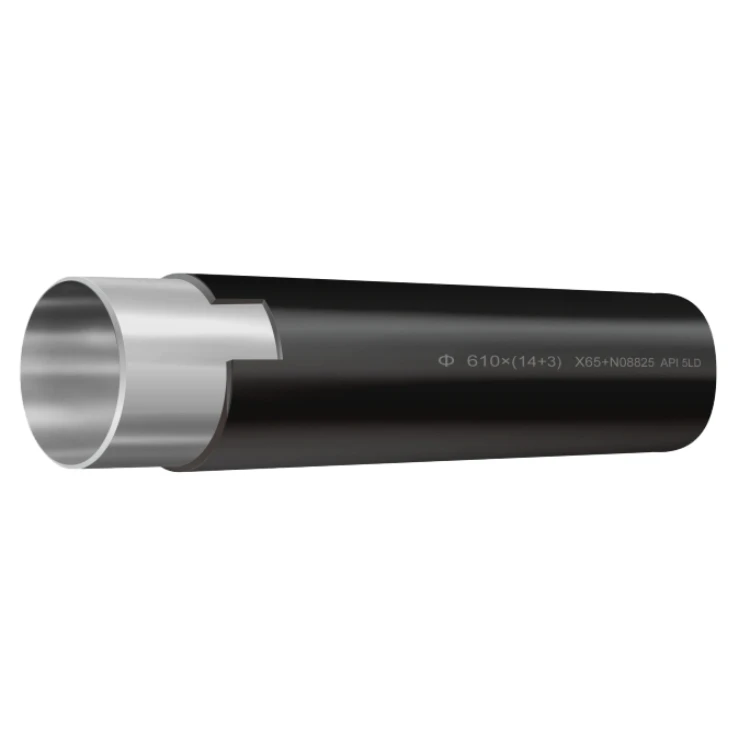
  • Overlay Welding Clad Steel Pipe

    Overlay Welding Clad Steel Pipe

    Overlay Welding clad Steel Pipe features a high-performance welded overlay that enhances the pipe’s surface properties, providing superior resistance to corrosion, erosion, and wear. This process involves applying a wear-resistant alloy layer over a strong steel base, making it ideal for industries such as oil and gas, mining, and chemical processing, where pipes are exposed to harsh conditions. The overlay ensures extended service life, reduced maintenance costs, and reliable performance even in extreme environments. With its combination of strength, durability, and corrosion resistance, the Overlay Welding Steel Pipe is a trusted solution for critical applications.
    VIEW ALL
To create value for customers!
Cangzhou Leo Technology Co., Ltd. is located in Mengcun County Economic Development Zone, Cangzhou City, Hebei Province. It is a specialized high-tech enterprise that integrates the research and development, production, and sales of composite pipes and fittings.
News
The company regards product quality as the life of the enterprise, establishes a sound quality management system in accordance with the requirements of industry and national standards, controls all aspects of input and output in the whole process, pays attention to every detail, and ensures that the product delivery pass rate is 100%.
High Performance Sink Pipe Steel Guide for Industrial Piping

High Performance Sink Pipe Steel Guide for Industrial Piping

High-Performance Sink Pipe Steel: The Ultimate Guide to Industrial Piping In the demanding world of industrial manufacturing and pressure vessel construction, the selection of materials for piping systems is critical. Utilizing high-quality sink pipe steel ensures that systems can withstand extreme pressures, corrosive media, and mechanical stress. Whether it is for chemical processing, oil and gas, or construction, the right steel grade and fitting geometry can mean the difference between seamless operation and costly system failure. This guide explores the technical nuances of steel elbows and specialized clad materials designed for the most rigorous environments.
Ultimate Guide to Industrial Seamless Steel Pipe for Piping

Ultimate Guide to Industrial Seamless Steel Pipe for Piping

In the realm of modern industrial infrastructure, the integrity of piping systems is non-negotiable. The seamless steel pipe stands as the gold standard for transporting high-pressure fluids and gases. Unlike welded alternatives, seamless pipes are manufactured without a longitudinal seam, eliminating the most common point of failure and ensuring superior structural consistency. This makes them indispensable in sectors where safety and reliability are paramount, such as petroleum, nuclear power, and thermal energy. In this comprehensive guide, we will explore the technical advantages, material specifications, and critical applications of these high-performance components to help you make an informed procurement decision.
High Performance Seamless Steel Pipes for Industrial Piping

High Performance Seamless Steel Pipes for Industrial Piping

In the world of industrial fluid transportation and pressure vessel manufacturing, the choice of piping material can determine the safety and longevity of an entire system. Seamless steel pipes are engineered to withstand extreme conditions without the risk of weld-line failure, making them the gold standard for high-pressure environments. From oil and gas pipelines to hydraulic systems, these pipes offer unmatched structural integrity. In this comprehensive guide, we will explore the technical specifications, benefits, and diverse applications of carbon seamless steel solutions to help you make an informed procurement decision for your next engineering project.
High Performance Seamless Stainless Steel Pipe for Industrial Use

High Performance Seamless Stainless Steel Pipe for Industrial Use

The Ultimate Guide to Seamless Stainless Steel Pipe for Industrial Applications In the demanding world of oil and gas extraction, particularly in fields characterized by high hydrogen sulfide and carbon dioxide levels, the integrity of transportation infrastructure is critical. While traditional carbon steel often fails due to insufficient corrosion resistance, the seamless stainless steel pipe emerges as a premium solution. By eliminating weld seams, these pipes provide superior structural integrity and a seamless barrier against corrosive media. For industries operating under extreme pressure and chemical aggression, choosing the right piping material is not just about efficiencyit is about safety and long-term economic viability.
Industrial Piping Solutions Using Durable sch 40 steel pipe

Industrial Piping Solutions Using Durable sch 40 steel pipe

Optimizing Industrial Piping with SCH 40 Steel Pipe Solutions In the demanding world of industrial manufacturing and fluid transport, selecting the right piping specification is critical for safety and efficiency. The sch 40 steel pipe serves as a global standard for versatility, balancing wall thickness with internal flow capacity. Whether used in petrochemical plants, marine environments, or construction, this pipe grade provides the structural reliability needed to handle moderate pressures. However, as industries evolve, the integration of advanced technologies like laser cladding is transforming how we enhance these pipes to resist extreme corrosion and wear, extending the lifecycle of critical infrastructure.
Industrial 5 inch steel tubing Guide for High Pressure Systems

Industrial 5 inch steel tubing Guide for High Pressure Systems

The Ultimate Guide to 5 Inch Steel Tubing for Industrial Applications When designing high-pressure piping systems or structural frameworks, selecting the right material dimensions is critical for safety and efficiency. The 5 inch steel tubing serves as a versatile midpoint in industrial piping, offering a perfect balance between flow capacity and structural rigidity. Whether it is used in oil and gas transport, water management, or architectural support, the quality of the steel determines the longevity of the entire project. In this comprehensive guide, we will explore the technical specifications, material grades, and strategic advantages of utilizing this specific tubing size
tel email tel top

If you are interested in our products, you can choose to leave your information here, and we will be in touch with you shortly.