tel
Email
to top

Proper Threading Techniques for Galvanized Steel Tees

Sep 09 2025
share:

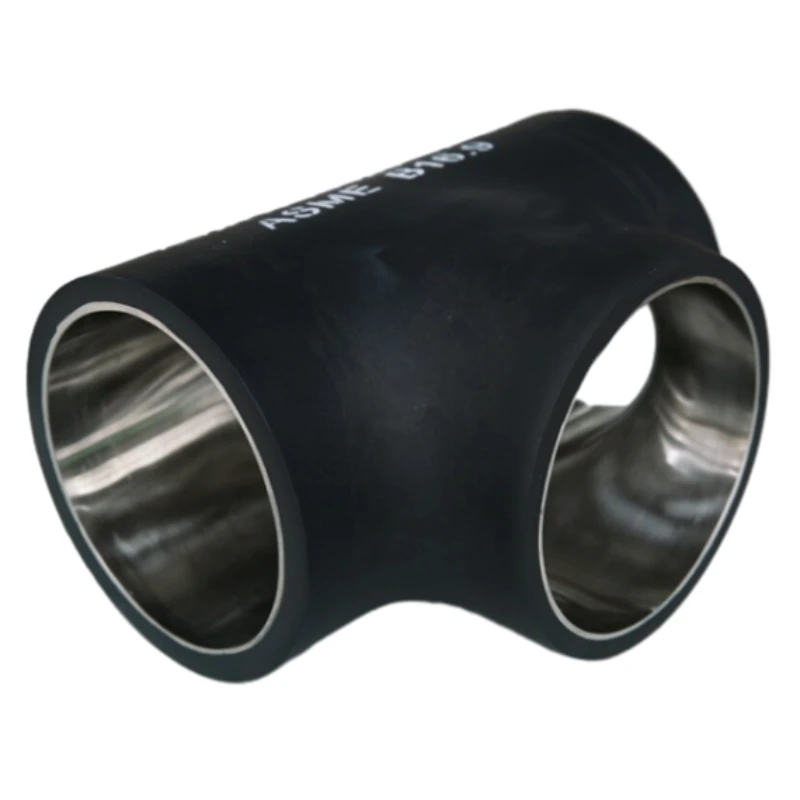
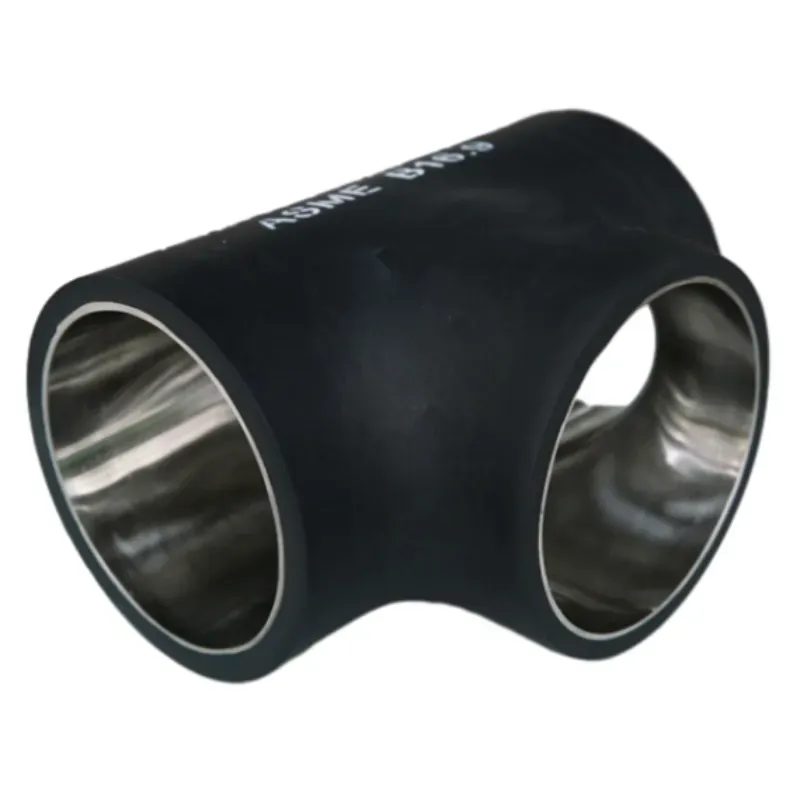
Tee products are fundamental components in piping networks across countless industries. Functioning as essential pipe fittings used to connect three sections of piping, forming a "T" shape, they enable the crucial diversion or junction of fluid flow. Available in various materials like carbon steel, stainless steel, and alloy steel, the specific demands of an application dictate the choice. Among these, galvanized steel tees are particularly valued for their enhanced corrosion resistance, making them suitable for demanding environments like water distribution, certain chemical processes, and outdoor structural applications. Achieving a reliable, leak-proof connection for these tees, especially when threaded ends are specified, demands meticulous attention to threading techniques. As a leading manufacturer with extensive capabilities, Cangzhou Lion Technology Co., Ltd. leverages its advanced infrastructure and expertise to produce high-integrity metal pipe tee solutions, including threaded structural steel tee variants, at significant scale.
 

Proper Threading Techniques for Galvanized Steel Tees


Precision Threading Methods for Galvanized Steel Tees 


The zinc coating on galvanized steel tees presents unique challenges during threading. Improper techniques can damage the protective layer, compromising corrosion resistance at the critical connection point. Cangzhou Lion Technology employs specialized threading processes designed specifically for galvanized components. This often involves using sharp, properly lubricated dies and taps specifically chosen for galvanized steel to minimize galling and prevent zinc peeling or flaking. Controlled threading speeds and feeds are crucial to avoid generating excessive heat, which can degrade the zinc coating. The company's vast array of precision machining equipment, honed over years of experience producing clad pipes and fittings for major energy groups, ensures consistent thread quality that meets rigorous dimensional standards while preserving the integrity of the galvanization.


Ensuring Integrity in Structural Steel Tee Fabrication 


When dealing with structural steel tees, which often bear significant loads in frameworks or support systems, the threading process must not undermine the component's inherent strength. The thread cut represents a potential stress concentration point. Cangzhou Lion Technology addresses this by starting with high-quality base material and employing threading techniques that maintain wall thickness integrity and avoid creating microfractures. Pre-thread stress analysis and adherence to strict thread form standards (like NPT or BSPT) are paramount. The company's investment in heavy-duty infrastructure, including its 6000T hydraulic press and large-scale, precision natural gas heat treatment furnaces (capable of rapid quenching with temperature control accuracy of ±10°C), allows for pre- or post-threading heat treatments when necessary to relieve stresses induced during machining and enhance the overall strength and durability of the structural steel tee.


Advanced Machining Standards for Metal Pipe Tees 


The threading of any metal pipe tee, whether galvanized, carbon steel, alloy, or clad, demands adherence to exacting machining standards. Consistency, accuracy, and surface finish are non-negotiable for ensuring leak-tight seals and long service life. Cangzhou Lion Technology utilizes state-of-the-art CNC threading machines and rigorous quality control protocols throughout its expansive 75,000 square meter facility. Every thread profile is meticulously checked for conformity to specifications using calibrated gauges and advanced measuring equipment. This commitment to precision, backed by their status as a designated supplier to major energy enterprises and ongoing R&D partnerships with domestic scientific research institutes, ensures their metal pipe tee products, including threaded galvanized steel tees and structural steel tees, meet the highest industry demands for dimensional accuracy and performance reliability.


FAQs about Galvanized and Structural Steel Tee Applications


Why is specialized threading crucial for galvanized steel tees? 


Standard threading techniques can easily damage the protective zinc coating on galvanized steel tees, leading to premature corrosion at the threaded joint. Specialized methods preserve this coating, maintaining the tee's corrosion resistance where it matters most – at the connection point.


How does threading affect the load-bearing capacity of a structural steel tee? 


Threading removes material and creates geometric discontinuities, potentially acting as stress concentrators. Properly executed threading, using correct forms and potentially combined with stress-relieving heat treatments (like those possible in Cangzhou Lion's large furnaces), minimizes this impact, ensuring the structural steel tee retains its designed strength for critical support applications.


What standards govern the threading of metal pipe tees?


Threading for metal pipe tees must adhere to recognized international or national standards, such as ASME B1.20.1 for NPT (National Pipe Taper) threads or relevant BSPT (British Standard Pipe Taper) specifications. Compliance ensures compatibility with mating components and reliable sealing performance under pressure.


Can all types of metal pipe tees be effectively threaded? 


While threading is common for carbon steel, alloy steel, and galvanized tees, it may not be suitable or standard for all materials or wall thicknesses. Very thin-walled tees or those made from extremely hard alloys might require alternative connection methods. Cangzhou Lion's expertise covers threading appropriate for the wide range of materials they process, including clad products.


How does Cangzhou Lion ensure the quality of threaded ends on its large-volume galvanized steel tee production? 


Leveraging over 100 sets of additive manufacturing equipment and more than 200 sets of production/testing equipment, Cangzhou Lion implements automated precision machining lines where feasible and rigorous 100% inspection protocols for critical dimensions like threads on their high-volume production runs of galvanized steel teesstructural steel tees, and other metal pipe tee products. Advanced gauging and a commitment to leading production technology ensure consistent quality meeting stringent customer and industry standards.


Proper threading is paramount for the performance, longevity, and safety of galvanized steel teesstructural steel tees, and all threaded metal pipe tee applications. Techniques must be tailored to the specific material and application demands, preserving protective coatings like galvanization, maintaining structural integrity, and adhering to precise dimensional standards. Cangzhou Lion Technology Co., Ltd., with its substantial registered capital of 100.8 million yuan, 75,000 square meter facility, and annual production capacity of 10,000 tons of pressure piping components, brings formidable scale and advanced technological capabilities to this challenge. Their investment in first-class equipment – from heavy-duty hydraulic presses and intermediate frequency induction pushers to precision heat treatment furnaces and extensive additive manufacturing resources – coupled with rich production experience and a focus on R&D, positions them as a leading provider of high-quality, reliably threaded pipe tees for major industrial applications worldwide. Their commitment to precision engineering ensures these essential fittings perform flawlessly in diversifying or joining critical fluid flows.
  • Overlay Welding Clad Steel Pipe

    Overlay Welding Clad Steel Pipe

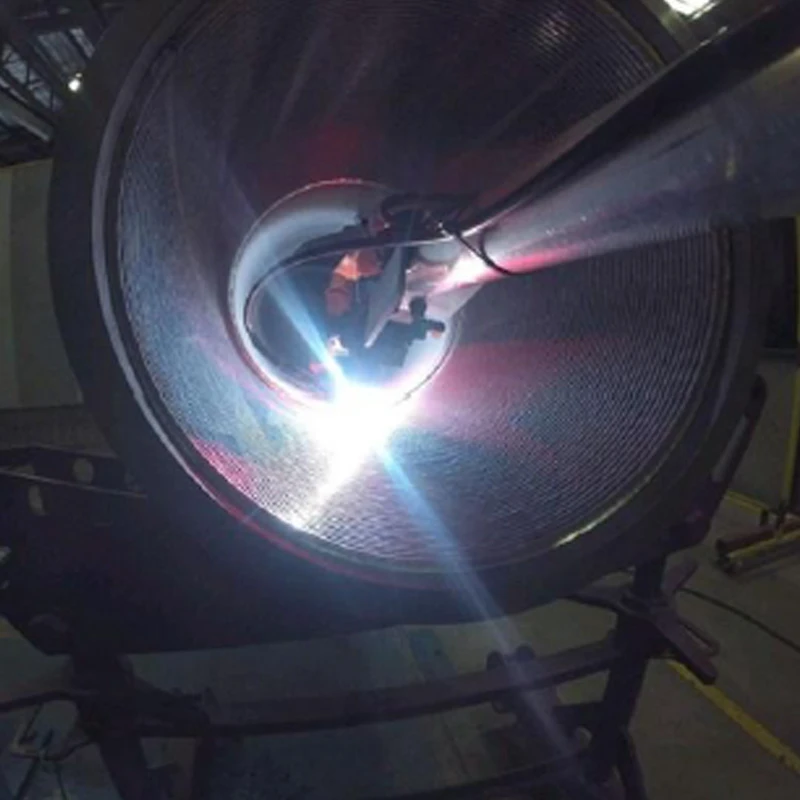
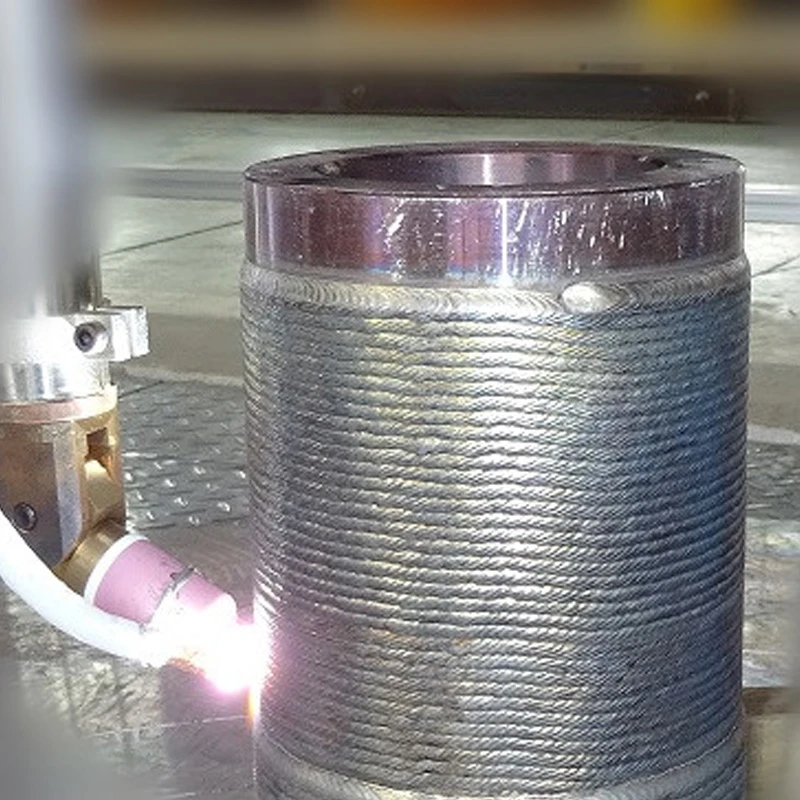
    Overlay Welding clad Steel Pipe features a high-performance welded overlay that enhances the pipe’s surface properties, providing superior resistance to corrosion, erosion, and wear. This process involves applying a wear-resistant alloy layer over a strong steel base, making it ideal for industries such as oil and gas, mining, and chemical processing, where pipes are exposed to harsh conditions. The overlay ensures extended service life, reduced maintenance costs, and reliable performance even in extreme environments. With its combination of strength, durability, and corrosion resistance, the Overlay Welding Steel Pipe is a trusted solution for critical applications.
    VIEW ALL
  • Bend Pipe

    Bend Pipe

    Bend is a crucial pipe fitting used to change the direction of flow in a piping system. It allows for smooth transitions between sections of pipe, accommodating layout constraints, avoiding obstacles, and optimizing flow paths. Bends are designed to maintain the fluid's velocity and minimize pressure loss while providing the necessary angle of deviation. They are commonly used in various industries, including oil and gas, petrochemicals, water supply, and HVAC systems.
    VIEW ALL
  • Pipe Cap

    Pipe Cap

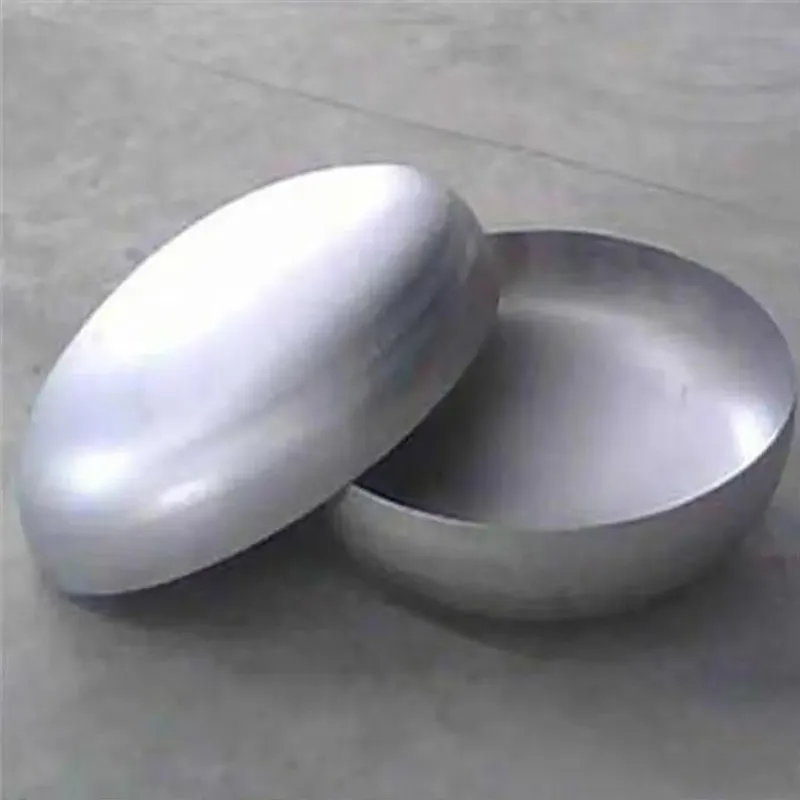
    Pipe caps come in different shapes, including round, square, and oval, and can be designed for both threaded and welded connections. They ensure the integrity of piping systems during transportation, storage, and installation by protecting the pipe ends from dirt, debris, and environmental factors. Durable and easy to install, pipe caps are critical for maintaining system efficiency and safety.
    VIEW ALL
To create value for customers!
Cangzhou Leo Technology Co., Ltd. is located in Mengcun County Economic Development Zone, Cangzhou City, Hebei Province. It is a specialized high-tech enterprise that integrates the research and development, production, and sales of composite pipes and fittings.
News
The company regards product quality as the life of the enterprise, establishes a sound quality management system in accordance with the requirements of industry and national standards, controls all aspects of input and output in the whole process, pays attention to every detail, and ensures that the product delivery pass rate is 100%.
High Performance Sink Pipe Steel Guide for Industrial Piping

High Performance Sink Pipe Steel Guide for Industrial Piping

High-Performance Sink Pipe Steel: The Ultimate Guide to Industrial Piping In the demanding world of industrial manufacturing and pressure vessel construction, the selection of materials for piping systems is critical. Utilizing high-quality sink pipe steel ensures that systems can withstand extreme pressures, corrosive media, and mechanical stress. Whether it is for chemical processing, oil and gas, or construction, the right steel grade and fitting geometry can mean the difference between seamless operation and costly system failure. This guide explores the technical nuances of steel elbows and specialized clad materials designed for the most rigorous environments.
Ultimate Guide to Industrial Seamless Steel Pipe for Piping

Ultimate Guide to Industrial Seamless Steel Pipe for Piping

In the realm of modern industrial infrastructure, the integrity of piping systems is non-negotiable. The seamless steel pipe stands as the gold standard for transporting high-pressure fluids and gases. Unlike welded alternatives, seamless pipes are manufactured without a longitudinal seam, eliminating the most common point of failure and ensuring superior structural consistency. This makes them indispensable in sectors where safety and reliability are paramount, such as petroleum, nuclear power, and thermal energy. In this comprehensive guide, we will explore the technical advantages, material specifications, and critical applications of these high-performance components to help you make an informed procurement decision.
High Performance Seamless Steel Pipes for Industrial Piping

High Performance Seamless Steel Pipes for Industrial Piping

In the world of industrial fluid transportation and pressure vessel manufacturing, the choice of piping material can determine the safety and longevity of an entire system. Seamless steel pipes are engineered to withstand extreme conditions without the risk of weld-line failure, making them the gold standard for high-pressure environments. From oil and gas pipelines to hydraulic systems, these pipes offer unmatched structural integrity. In this comprehensive guide, we will explore the technical specifications, benefits, and diverse applications of carbon seamless steel solutions to help you make an informed procurement decision for your next engineering project.
High Performance Seamless Stainless Steel Pipe for Industrial Use

High Performance Seamless Stainless Steel Pipe for Industrial Use

The Ultimate Guide to Seamless Stainless Steel Pipe for Industrial Applications In the demanding world of oil and gas extraction, particularly in fields characterized by high hydrogen sulfide and carbon dioxide levels, the integrity of transportation infrastructure is critical. While traditional carbon steel often fails due to insufficient corrosion resistance, the seamless stainless steel pipe emerges as a premium solution. By eliminating weld seams, these pipes provide superior structural integrity and a seamless barrier against corrosive media. For industries operating under extreme pressure and chemical aggression, choosing the right piping material is not just about efficiencyit is about safety and long-term economic viability.
Industrial Piping Solutions Using Durable sch 40 steel pipe

Industrial Piping Solutions Using Durable sch 40 steel pipe

Optimizing Industrial Piping with SCH 40 Steel Pipe Solutions In the demanding world of industrial manufacturing and fluid transport, selecting the right piping specification is critical for safety and efficiency. The sch 40 steel pipe serves as a global standard for versatility, balancing wall thickness with internal flow capacity. Whether used in petrochemical plants, marine environments, or construction, this pipe grade provides the structural reliability needed to handle moderate pressures. However, as industries evolve, the integration of advanced technologies like laser cladding is transforming how we enhance these pipes to resist extreme corrosion and wear, extending the lifecycle of critical infrastructure.
Industrial 5 inch steel tubing Guide for High Pressure Systems

Industrial 5 inch steel tubing Guide for High Pressure Systems

The Ultimate Guide to 5 Inch Steel Tubing for Industrial Applications When designing high-pressure piping systems or structural frameworks, selecting the right material dimensions is critical for safety and efficiency. The 5 inch steel tubing serves as a versatile midpoint in industrial piping, offering a perfect balance between flow capacity and structural rigidity. Whether it is used in oil and gas transport, water management, or architectural support, the quality of the steel determines the longevity of the entire project. In this comprehensive guide, we will explore the technical specifications, material grades, and strategic advantages of utilizing this specific tubing size
tel email tel top

If you are interested in our products, you can choose to leave your information here, and we will be in touch with you shortly.