If you’ve ever had a shutdown schedule breathing down your neck, you already know why prefabricated pipework keeps winning bids. Fewer variables in the field, tighter weld quality, safer installs. The short version? Factory control beats weather, overtime, and guesswork. The longer version is more interesting—and, to be honest, where projects are really saved.
From the Economic Development Zone of Mengcun county, Cangzhou city, Hebei province, the Factory Prefabricated Products line has been making quiet noise across petrochemical and coal chemical projects—mostly because the spools show up right, first time. I’ve walked yards that look like organized chaos; this one felt more like an aircraft plant.
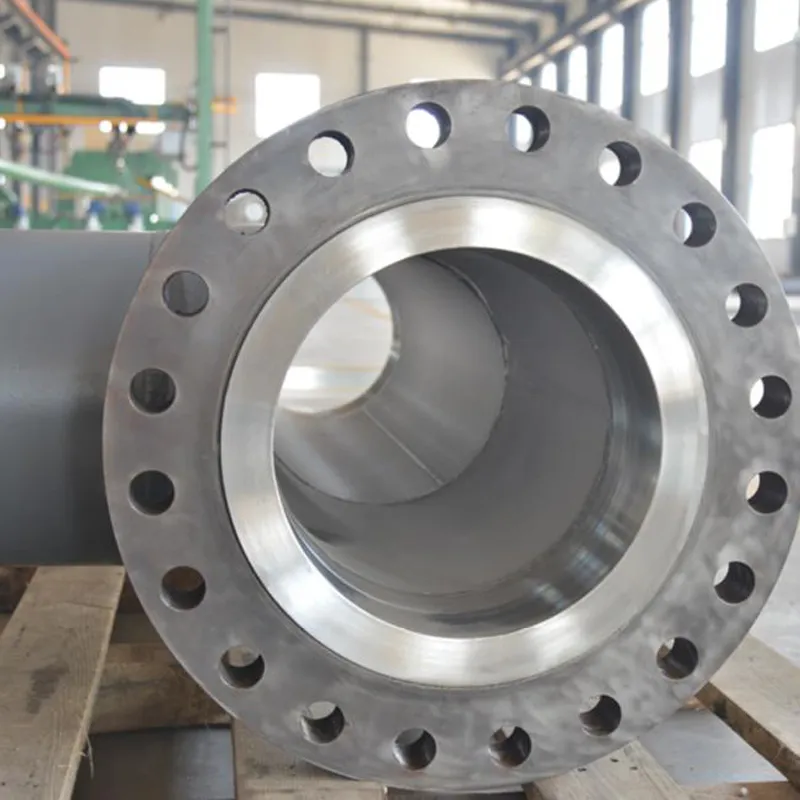
| Parameter | Typical range/spec (≈/around) |
|---|---|
| Materials | CS (A106 Gr.B/C), LTCS (A333 Gr.6), SS (304/316L), Alloy (P11/P22/P91), Duplex (2205) |
| Diameters | DN15–DN1200 (1/2"–48"), larger by request |
| Wall thickness | SCH10–XXS, custom bevels per ASME B16.25 |
| Pressure class | Class 150–2500 (ASME), PN10–PN420 (EN) |
| Temperature | ≈ −46°C to 600°C, alloy-dependent |
| Welding methods | GTAW + SMAW/GMAW, orbital GTAW available; WPS/PQR per ASME IX |
| Coatings | Shop primer, FBE, hot-dip galvanizing; internal lining on request |
| Tolerances | Fit-up and flange squareness per MSS-SP-97/ASME B31.x |
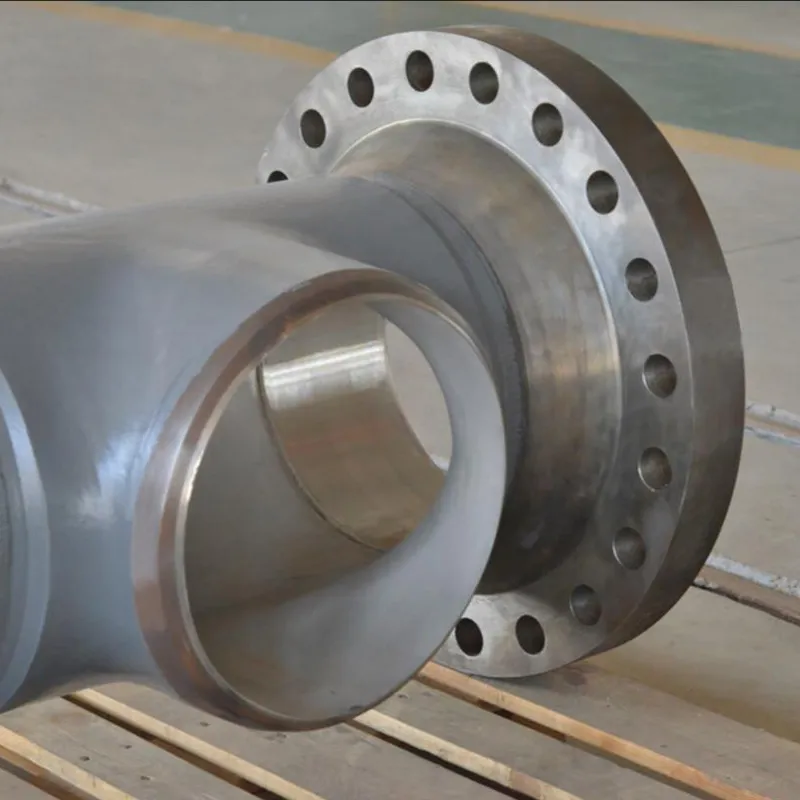
Service life? In benign duty, around 20–30 years is common; corrosives or high temp will trim that, obviously.
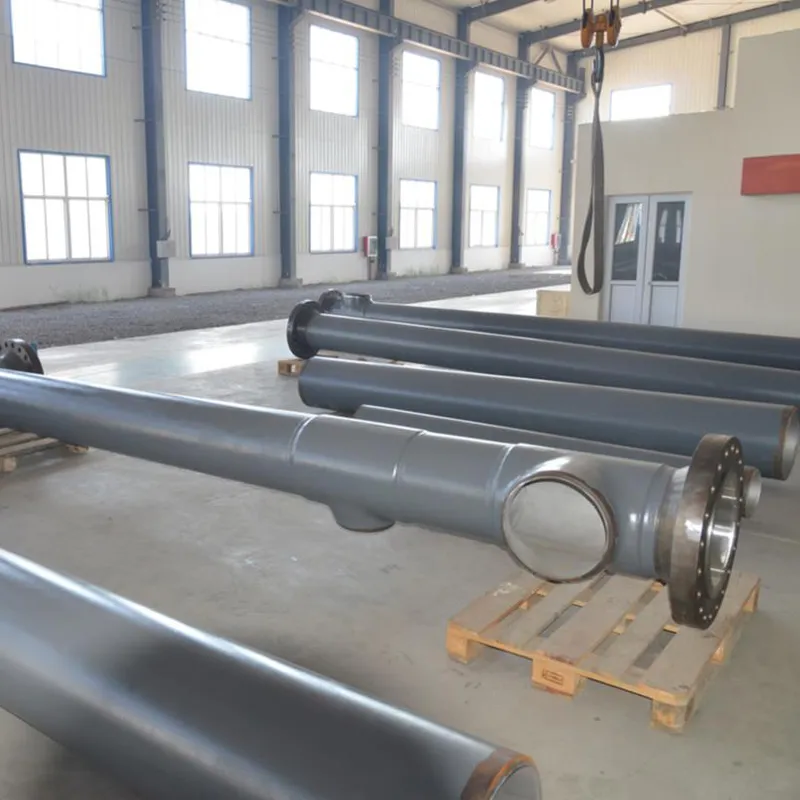
Petrochemical, coal chemical, power (including HRSG lines), water treatment, and occasional offshore skids. One maintenance superintendent told me, “These spools lined up without a ratchet strap—first time in ages.” That’s not every day, but it’s telling.
| Vendor | Location | Standards capability | Lead time (≈) | Traceability |
|---|---|---|---|---|
| Factory Prefabricated Products | Mengcun, Cangzhou, Hebei | ASME B31.3/B31.1, ASME IX, EN 13480; ISO 9001 framework | 2–6 weeks after drawing freeze | Heat no. + QR spool IDs; EN 10204 3.1 |
| Vendor B | SE Asia | ASME B31.3, partial EN | 4–8 weeks | Paper-based, partial digital |
| Vendor C | EU | ASME + PED/CE | 3–7 weeks | Full digital twin |
Custom bevels, exotic alloys, pre-insulation, pickled SS, purge records, heat-treatment charts, WPS/PQR packs, and weld maps are standard asks. Certifications can align with ISO 9001/14001/45001, and material certs with EN 10204 3.1; specific project audits welcomed.
Bottom line: moving more work into the shop reduces field pain. If your next outage feels tight, consider shifting critical lines to prefabricated pipework. It seems obvious now, but it took our industry a decade to admit it.
Hydro at 1.5× design, RT/UT/PT/MT as per class, hardness for creep-strength alloys, PMI on alloyed lines. Conformance aligned to prefabricated pipework norms in ASME B31.3/B31.1, ASME IX, and EN 13480.
Authoritative citations
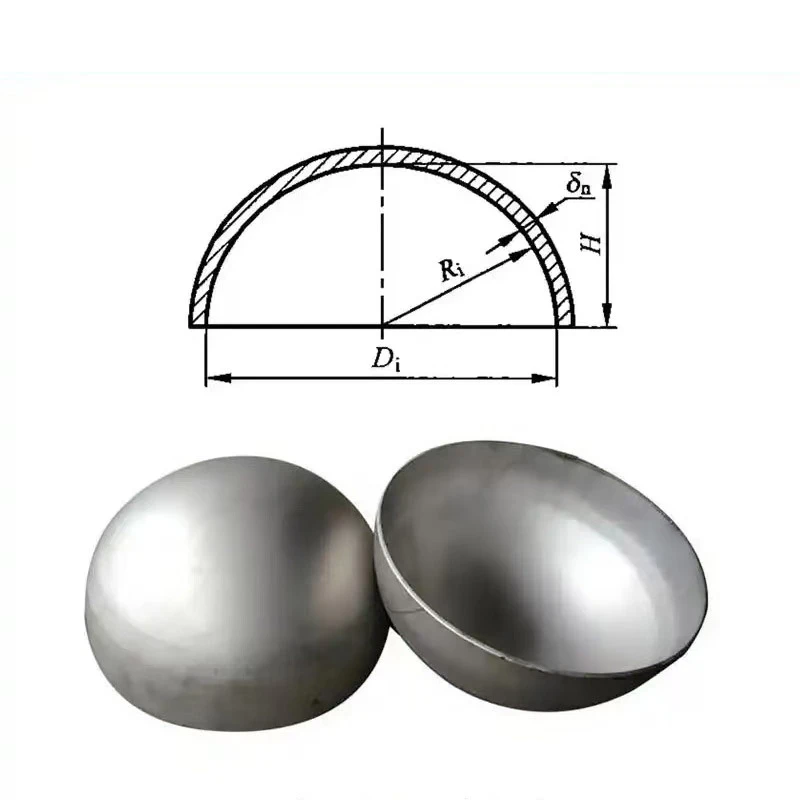
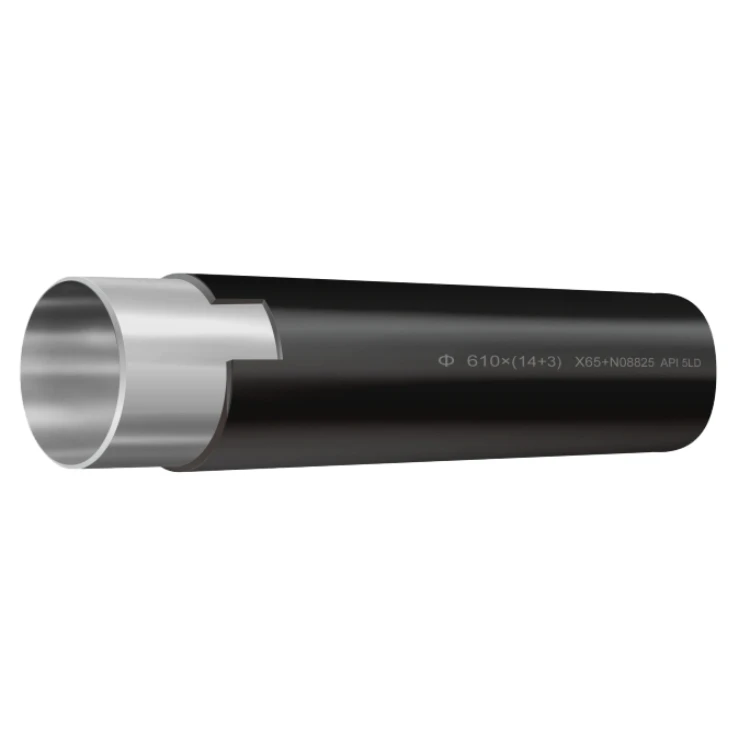
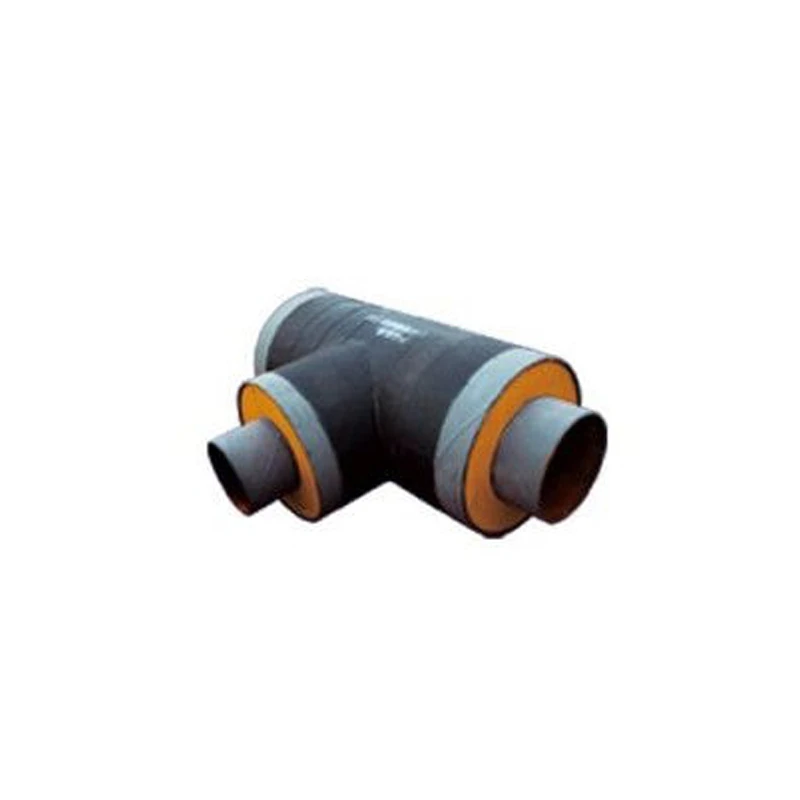
Anti Corrosion And Thermal Insulation Products

Ultimate Guide to 4130 Tubing Strength Performance and Applications
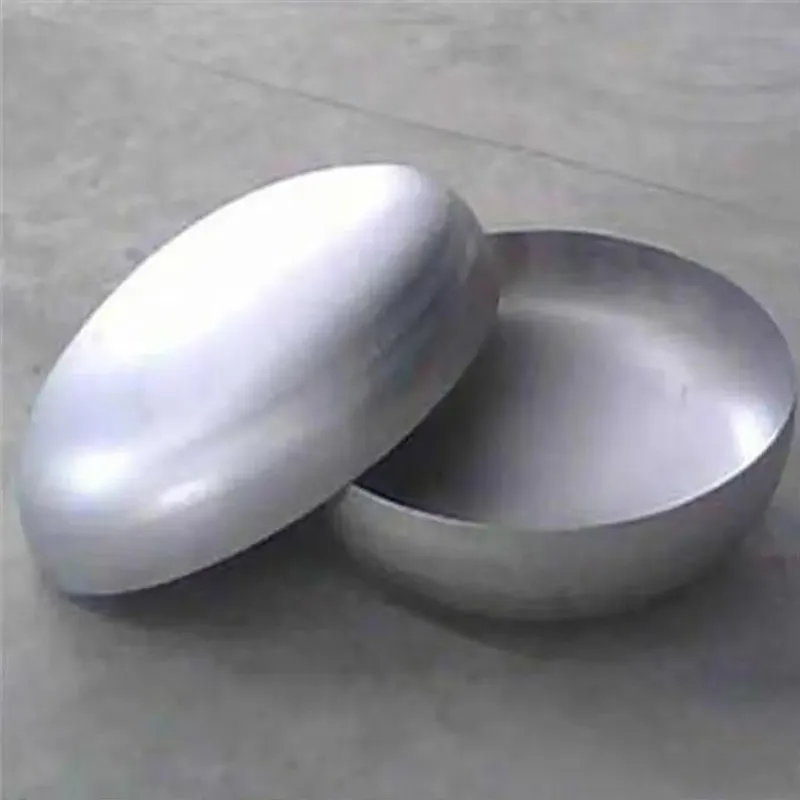
Pipe Cap-Cangzhou Lion Technology Co., Ltd.|Enhancing System Efficiency&Durability
Pipe Cap-Cangzhou Lion Technology Co., Ltd.|Enhancing System Efficiency&Durability
Pipe Cap-Cangzhou Lion Technology Co., Ltd.|Enhancing System Efficiency&Durability
Pipe Cap-Cangzhou Lion Technology Co., Ltd.|Enhancing System Efficiency&Durability
Pipe Cap-Cangzhou Lion Technology Co., Ltd.|Enhancing System Efficiency&Durability