tel
Email
to top

Iron Pipe Fittings and Flange Joint Types

Apr 28 2025
share:

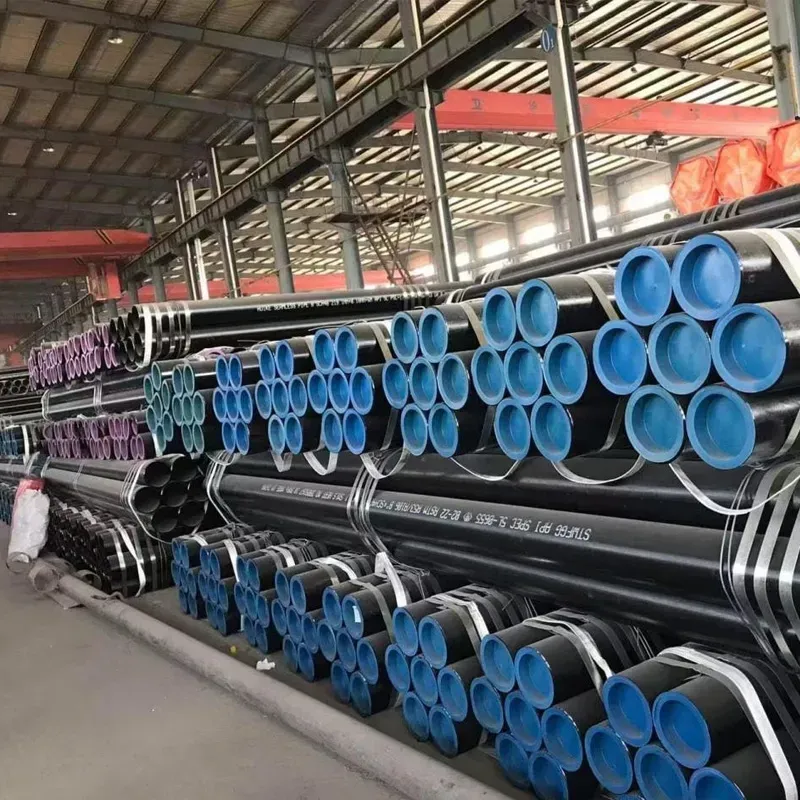
Flange joints are critical components in piping systems, providing secure connections for various applications. This article explores flange joint types and their compatibility with different pipe materials, including mechanical steel pipecomposite pipe for gascomposite pipe for hot water, and composite pipe for plumbing. Additionally, it examines the use of black steel seamless pipecarbon seamless pipe, and carbon welded steel pipe in flange-based systems. The discussion covers common flange designs, their applications, key installation considerations, and material compatibility.


Common Flange Joint Types for Iron Pipe Fittings


Flange joints are categorized based on design and application requirements. Weld neck flanges feature a tapered hub that provides reinforcement, making them ideal for high-pressure systems using black steel seamless pipe or carbon seamless pipe. The extended neck allows for smooth stress distribution, reducing turbulence at the connection point. These flanges are commonly found in petrochemical plants and power generation facilities where system integrity is paramount.


Slip-on flanges offer easier installation compared to weld neck variants, as they simply slide over the pipe before welding. This design makes them suitable for low to medium pressure applications with carbon welded steel pipe. While not as robust as weld neck flanges, their cost-effectiveness and simple assembly make them popular in water distribution systems and general industrial piping. The inner diameter of slip-on flanges is slightly larger than the pipe's outer diameter to facilitate quick mounting.


Socket weld flanges provide excellent flow characteristics for smaller diameter mechanical steel pipe systems. The pipe inserts into the socket before fillet welding, creating a smooth bore that minimizes pressure drops. These flanges are particularly useful in instrumentation lines and hydraulic systems where flow efficiency is critical. However, they require precise alignment during installation to prevent stress concentrations at the weld points.


Installation and Maintenance of Flange Joints for Iron Pipe Fittings


Proper installation begins with surface preparation to ensure optimal sealing performance. Flange faces must be thoroughly cleaned and inspected for scratches or imperfections before assembly. This is especially important when working with composite pipe for gas systems, where even minor surface defects can lead to leakage. The use of appropriate cleaning solvents and non-abrasive tools helps maintain the flange's sealing surface integrity.


Gasket selection and installation significantly impact joint reliability. For composite pipe for hot water applications, temperature-resistant gasket materials such as graphite or PTFE are recommended. The gasket must be properly centered and compressed evenly during bolt tightening. A crisscross bolt tightening sequence should be followed, gradually increasing torque in multiple passes to achieve uniform load distribution across the flange face. This method prevents warping and ensures consistent gasket compression.


Regular maintenance inspections are crucial for long-term performance. Systems using carbon welded steel pipe should be checked for signs of corrosion or bolt loosening, particularly in environments with thermal cycling. Visual inspections should be supplemented with ultrasonic testing for critical applications. Maintenance schedules should account for the specific service conditions, with more frequent checks required for mechanical steel pipe systems exposed to vibration or mechanical stress.


Material Compatibility of Flange Joints for Iron Pipe Fittings


The selection of flange materials must consider both the pipe composition and service environment. Black steel seamless pipe and carbon seamless pipe typically pair with carbon steel flanges in high-pressure applications. The matching of material properties ensures similar thermal expansion characteristics and weldability. For corrosive services, stainless steel flanges may be specified even when connecting to carbon steel pipes, with appropriate isolation methods to prevent galvanic corrosion.


Composite pipe for gas and composite pipe for hot water present unique challenges due to their different thermal expansion rates compared to metal flanges. In these cases, flanges with insulating gaskets or special adapters are used to accommodate differential movement. The flange design must also account for the lower mechanical strength of composite materials, often requiring support collars or reinforced flange faces to distribute clamping forces properly.


When working with composite pipe for plumbing systems, consideration must be given to chemical compatibility. The flange gasket material must resist degradation from both the conveyed fluid and any cleaning agents used in the system. Plastic flanges or metal flanges with plastic liners are common choices, offering corrosion resistance while maintaining adequate mechanical strength for residential and commercial plumbing applications.


Flange joints are essential for reliable piping systems across industries. The selection of flange joint types depends on factors such as pressure, temperature, and pipe material, including mechanical steel pipecomposite pipe for gas, and carbon welded steel pipe. Understanding the strengths of black steel seamless pipe and carbon seamless pipe helps optimize flange performance. By matching flanges with appropriate materials, such as composite pipe for hot water or composite pipe for plumbing, engineers ensure long-term system integrity. Proper installation and maintenance further enhance the efficiency of flange-connected pipelines.

 

Iron Pipe Fittings and Flange Joint Types


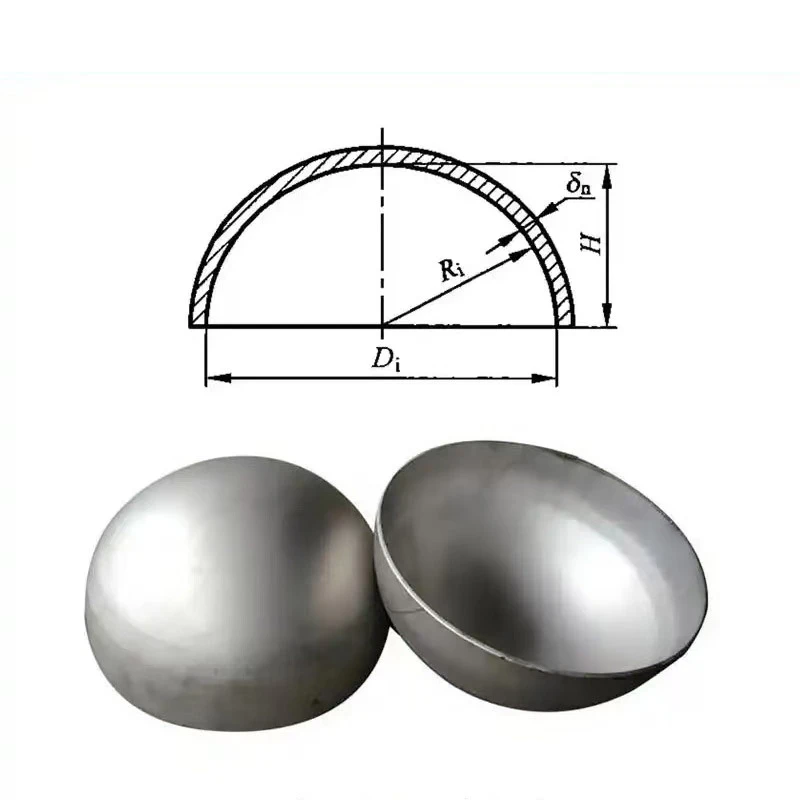
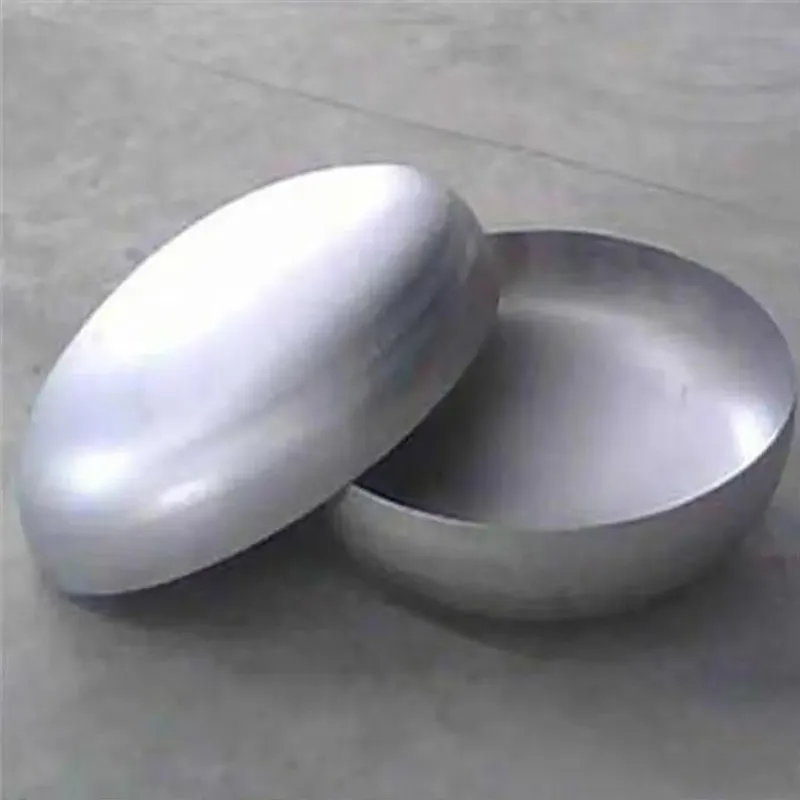
  • Pipe Cap

    Pipe Cap

    Pipe caps come in different shapes, including round, square, and oval, and can be designed for both threaded and welded connections. They ensure the integrity of piping systems during transportation, storage, and installation by protecting the pipe ends from dirt, debris, and environmental factors. Durable and easy to install, pipe caps are critical for maintaining system efficiency and safety.
    VIEW ALL
  • Bend Pipe

    Bend Pipe

    Bend is a crucial pipe fitting used to change the direction of flow in a piping system. It allows for smooth transitions between sections of pipe, accommodating layout constraints, avoiding obstacles, and optimizing flow paths. Bends are designed to maintain the fluid's velocity and minimize pressure loss while providing the necessary angle of deviation. They are commonly used in various industries, including oil and gas, petrochemicals, water supply, and HVAC systems.
    VIEW ALL
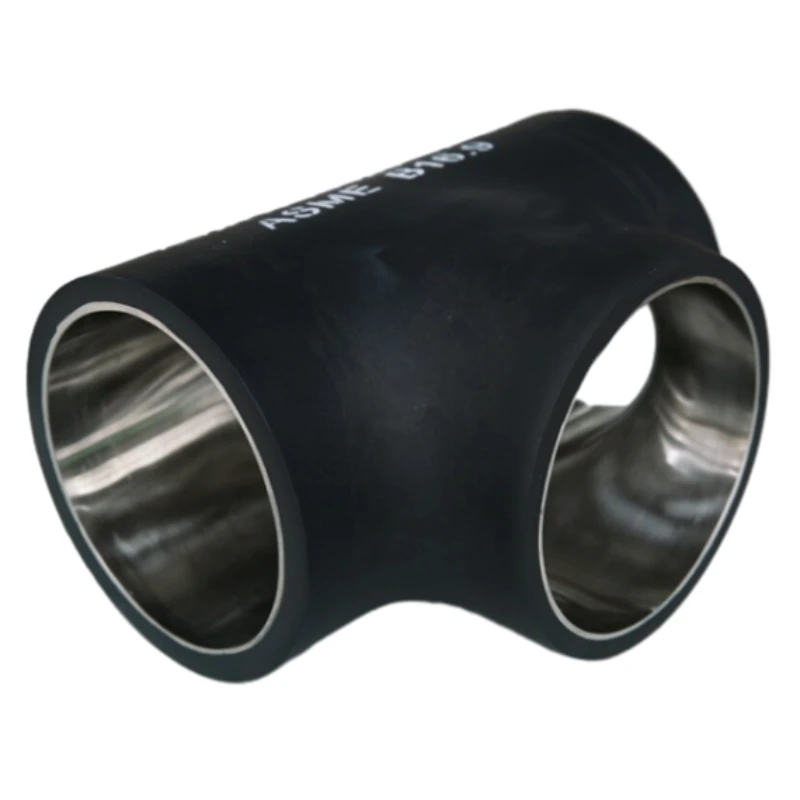
  • Elbow

    Elbow

    Carbon Steel &stainless Steel Elbow Elbows are pipe fittings used to change the direction of pipelines in piping systems, commonly employed at pipeline bends. They are widely used in industries such as petroleum, chemical, and power. The common size range for elbows is DN15-DN2000, and typical angles include 45°, 90°, and 180°.
    VIEW ALL
To create value for customers!
Cangzhou Leo Technology Co., Ltd. is located in Mengcun County Economic Development Zone, Cangzhou City, Hebei Province. It is a specialized high-tech enterprise that integrates the research and development, production, and sales of composite pipes and fittings.
News
The company regards product quality as the life of the enterprise, establishes a sound quality management system in accordance with the requirements of industry and national standards, controls all aspects of input and output in the whole process, pays attention to every detail, and ensures that the product delivery pass rate is 100%.
High Performance Sink Pipe Steel Guide for Industrial Piping

High Performance Sink Pipe Steel Guide for Industrial Piping

High-Performance Sink Pipe Steel: The Ultimate Guide to Industrial Piping In the demanding world of industrial manufacturing and pressure vessel construction, the selection of materials for piping systems is critical. Utilizing high-quality sink pipe steel ensures that systems can withstand extreme pressures, corrosive media, and mechanical stress. Whether it is for chemical processing, oil and gas, or construction, the right steel grade and fitting geometry can mean the difference between seamless operation and costly system failure. This guide explores the technical nuances of steel elbows and specialized clad materials designed for the most rigorous environments.
Ultimate Guide to Industrial Seamless Steel Pipe for Piping

Ultimate Guide to Industrial Seamless Steel Pipe for Piping

In the realm of modern industrial infrastructure, the integrity of piping systems is non-negotiable. The seamless steel pipe stands as the gold standard for transporting high-pressure fluids and gases. Unlike welded alternatives, seamless pipes are manufactured without a longitudinal seam, eliminating the most common point of failure and ensuring superior structural consistency. This makes them indispensable in sectors where safety and reliability are paramount, such as petroleum, nuclear power, and thermal energy. In this comprehensive guide, we will explore the technical advantages, material specifications, and critical applications of these high-performance components to help you make an informed procurement decision.
High Performance Seamless Steel Pipes for Industrial Piping

High Performance Seamless Steel Pipes for Industrial Piping

In the world of industrial fluid transportation and pressure vessel manufacturing, the choice of piping material can determine the safety and longevity of an entire system. Seamless steel pipes are engineered to withstand extreme conditions without the risk of weld-line failure, making them the gold standard for high-pressure environments. From oil and gas pipelines to hydraulic systems, these pipes offer unmatched structural integrity. In this comprehensive guide, we will explore the technical specifications, benefits, and diverse applications of carbon seamless steel solutions to help you make an informed procurement decision for your next engineering project.
High Performance Seamless Stainless Steel Pipe for Industrial Use

High Performance Seamless Stainless Steel Pipe for Industrial Use

The Ultimate Guide to Seamless Stainless Steel Pipe for Industrial Applications In the demanding world of oil and gas extraction, particularly in fields characterized by high hydrogen sulfide and carbon dioxide levels, the integrity of transportation infrastructure is critical. While traditional carbon steel often fails due to insufficient corrosion resistance, the seamless stainless steel pipe emerges as a premium solution. By eliminating weld seams, these pipes provide superior structural integrity and a seamless barrier against corrosive media. For industries operating under extreme pressure and chemical aggression, choosing the right piping material is not just about efficiencyit is about safety and long-term economic viability.
Industrial Piping Solutions Using Durable sch 40 steel pipe

Industrial Piping Solutions Using Durable sch 40 steel pipe

Optimizing Industrial Piping with SCH 40 Steel Pipe Solutions In the demanding world of industrial manufacturing and fluid transport, selecting the right piping specification is critical for safety and efficiency. The sch 40 steel pipe serves as a global standard for versatility, balancing wall thickness with internal flow capacity. Whether used in petrochemical plants, marine environments, or construction, this pipe grade provides the structural reliability needed to handle moderate pressures. However, as industries evolve, the integration of advanced technologies like laser cladding is transforming how we enhance these pipes to resist extreme corrosion and wear, extending the lifecycle of critical infrastructure.
Industrial 5 inch steel tubing Guide for High Pressure Systems

Industrial 5 inch steel tubing Guide for High Pressure Systems

The Ultimate Guide to 5 Inch Steel Tubing for Industrial Applications When designing high-pressure piping systems or structural frameworks, selecting the right material dimensions is critical for safety and efficiency. The 5 inch steel tubing serves as a versatile midpoint in industrial piping, offering a perfect balance between flow capacity and structural rigidity. Whether it is used in oil and gas transport, water management, or architectural support, the quality of the steel determines the longevity of the entire project. In this comprehensive guide, we will explore the technical specifications, material grades, and strategic advantages of utilizing this specific tubing size
tel email tel top

If you are interested in our products, you can choose to leave your information here, and we will be in touch with you shortly.