When I think back on my years working around industrial equipment, one thing that never fails to impress me is how 2.5 inch galvanized pipe seems to reliably hold its own under circumstances that would make other materials break a sweat. Galvanized pipes, especially this size, are a staple in many projects I’ve seen—from outdoor construction scaffolding to fluid transport in harsh environments. Oddly enough, even with newer materials around, these pipes have edged out many competitors, and frankly, for good reasons.
First off, the galvanization process itself — it’s basically a zinc coating that protects the steel core from corrosion. In industrial settings, where humidity, rain, or chemicals are an everyday challenge, that zinc layer acts like a suit of armor, keeping the pipe durable and maintenance-free much longer than black steel or plain iron pipes. I remember once a client was initially skeptical about the upfront price difference, but after seeing their galvanized installation weather a brutal winter without rusting, their tune changed entirely.
Size-wise, 2.5 inch pipes offer a great balance. They’re not so large that handling and cutting become cumbersome, yet they’re robust enough to handle significant pressure for water, gas, or even compressed air lines. In practical terms, this size fits well for mid-level distribution systems—you won’t see them carrying mainline pressure in massive plants, but for feeder lines and temporary setups? Perfect.
| Specification | Details |
|---|---|
| Nominal Pipe Size | 2.5 inch (65 mm) |
| Material | Carbon steel with zinc coating |
| Wall Thickness (Schedule) | Schedule 40 (approx. 0.154 inches) |
| Length Standard | 6 meters (custom cuts available) |
| Typical Weight | ~10.2 kg per meter |
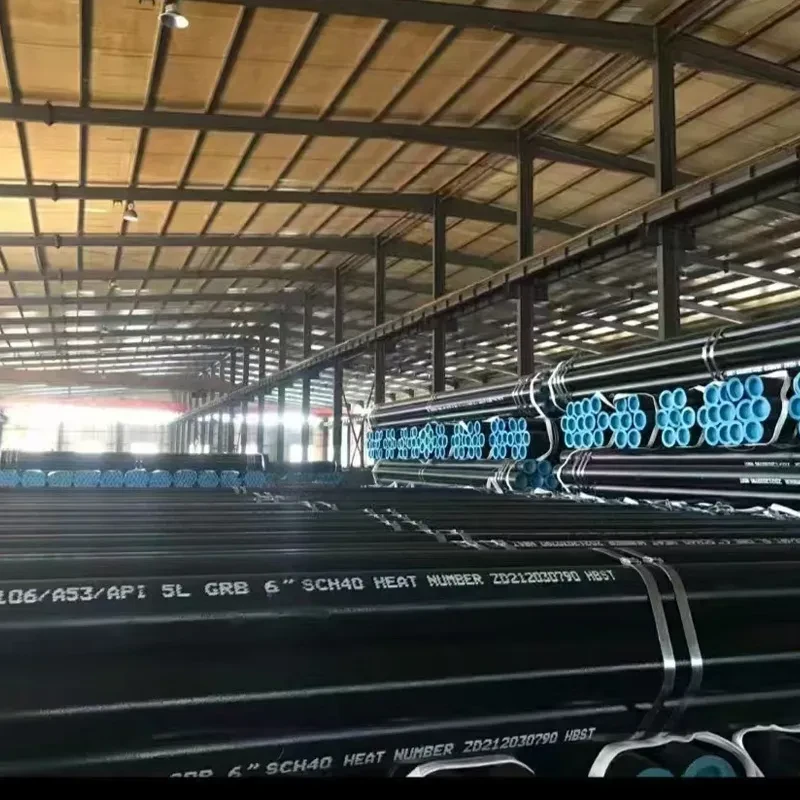
| Standard Compliance | ASTM A53/A123 or equivalent |
I often tell younger engineers to pay attention to standards like ASTM A53 or A123—they’re basically quality gatekeepers. When you specify galvanized pipe that complies with these standards, you’re buying into tested and trusted levels of strength and corrosion protection. It’s one of those areas where shortcuts just aren’t worth it if you want safety and longevity.
| Vendor | Pricing | Lead Time | Quality Control | Customization |
|---|---|---|---|---|
| Lion Pipeline | Competitive | 1-2 weeks | Rigorous—ASTM certified | Custom lengths & coatings |
| SteeleX | Moderate | 2-3 weeks | Standard batch testing | Limited customization |
| FactoryTube | Low-cost | 3-4 weeks | Variable QC | No customization |
From my experience, choosing the right vendor can mean the difference between a smooth project and one with delays and headaches. Lion Pipeline has consistently struck me as a balanced choice—not only competitively priced but attentive on quality and custom needs. It really felt like they understand the realities of construction and industrial timelines.
Testing? Absolutely crucial. I once witnessed a new batch from a cheaper supplier fail salt spray tests, and you could practically see the surface start corroding before the job even wrapped. That kind of failure isn't just costly financially; it risks safety and downtime.
Also worth noting: customization options are often overlooked. Many projects I've been involved with required slightly different lengths or extra thick coatings due to environmental factors. Vendors willing to work with these specs save a lot of hassle on-site.
Oddly enough, even with what feels like endless piping options these days—PVC, stainless, composite—the good old 2.5 inch galvanized pipe keeps its spot as a trusted, workhorse solution, especially when you factor price-performance and ease of installation.
So if you’re facing an industrial job that calls for dependable piping, my suggestion is to seriously consider this galvanized size. It’s been a quiet hero in many projects I’ve handled.
A quick story: Once, a small regional contractor swapped black iron piping for galvanized on a water line overhaul, thinking it just “looked nicer.” A year later, they told me how that seemingly small choice saved them thousands in rust-related repairs and downtime. Sometimes the old reliable options really pay off.
Anyway, if you want reliable sourcing, tough finishes, and good support, 2.5 inch galvanized pipe from reputable sellers should definitely be on your radar.
Reflecting on this, I realize that experience teaches you to respect materials that combine practicality with proven durability—something that’s often undervalued until you’re knee-deep in a project or unexpected weather. This pipe size fits that bill.
References:

Ultimate Guide to 4130 Tubing Strength Performance and Applications
Pipe Cap-Cangzhou Lion Technology Co., Ltd.|Enhancing System Efficiency&Durability
Pipe Cap-Cangzhou Lion Technology Co., Ltd.|Enhancing System Efficiency&Durability
Pipe Cap-Cangzhou Lion Technology Co., Ltd.|Enhancing System Efficiency&Durability
Pipe Cap-Cangzhou Lion Technology Co., Ltd.|Enhancing System Efficiency&Durability
Pipe Cap-Cangzhou Lion Technology Co., Ltd.|Enhancing System Efficiency&Durability