tel
Email
to top

Diverse Flange Types and Their Essential Roles in Engineering and Plumbing

Jul 16 2025
share:

Flanges are critical components in various systems, from industrial piping setups to plumbing installations, providing secure connections and facilitating the smooth flow of substances. Different types of flanges offer unique features and applications, each tailored to specific requirements. This exploration delves into the characteristics and uses of grooved flangegrp flangehex flangeinlet flange, and inside toilet flange, highlighting their significance in different contexts.
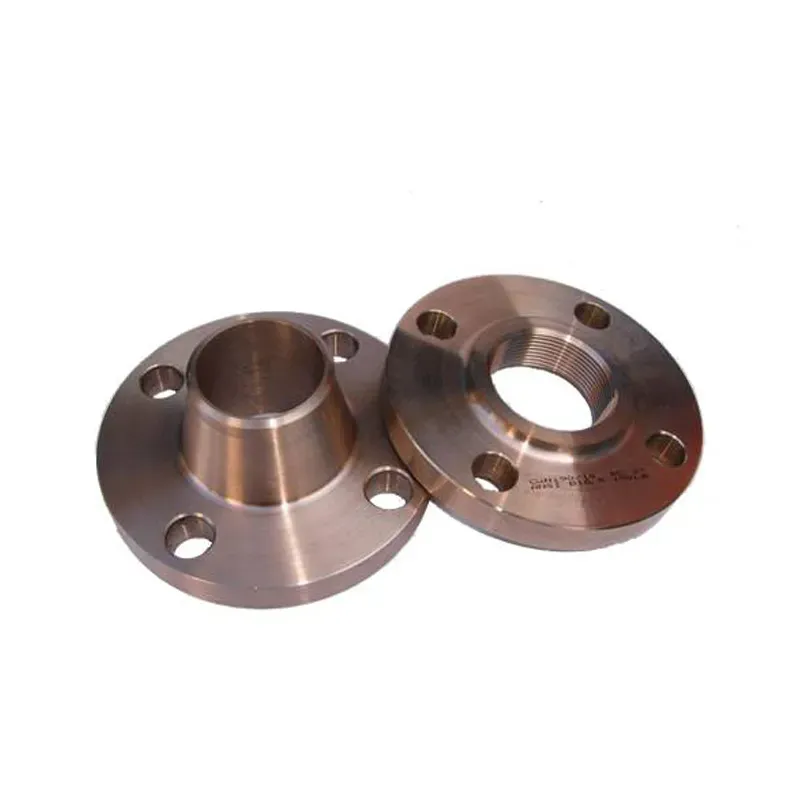
 

Diverse Flange Types and Their Essential Roles in Engineering and Plumbing


Grooved Flange: A Reliable Solution for Quick and Secure Connections


In the realm of piping systems, the grooved flange has emerged as a popular choice for its ease of installation and reliable performance. These flanges feature a groove around their perimeter, which allows for the use of a coupling mechanism. The groove design enables a quick connection process, reducing installation time compared to some traditional flange types. In industrial settings where large - scale piping systems need to be assembled efficiently, the grooved flange shines. For example, in water treatment plants, these flanges can be used to connect pipes carrying water for purification processes. The secure connection provided by the grooved design ensures there are no leaks, maintaining the integrity of the system and the quality of the treated water.


GRP Flange: Corrosion - Resistant and Lightweight Option


GRP flange, or glass - reinforced plastic flange, offers distinct advantages, especially in environments where corrosion is a concern. Made from a composite material consisting of glass fibers embedded in a polymer matrix, GRP flanges are highly resistant to chemicals, moisture, and rust. This makes them ideal for use in industries such as marine, chemical processing, and wastewater treatment. In marine applications, where flanges are constantly exposed to saltwater, GRP flanges can withstand the harsh conditions without deteriorating. Their lightweight nature also simplifies handling and installation, reducing the need for heavy - duty lifting equipment. This combination of corrosion resistance and light weight makes GRP flanges a cost - effective and practical solution for many projects.


Hex Flange: Strength and Versatility in Fastening


The hex flange gets its name from its hexagonal shape, which provides several benefits in terms of strength and ease of use. The hexagonal design allows for a better grip when tightening or loosening bolts, reducing the risk of slippage during installation and maintenance. This type of flange is commonly used in applications where high - strength connections are required, such as in automotive engines, industrial machinery, and heavy - equipment manufacturing. In an automotive engine, hex flanges can be used to connect components like exhaust pipes, ensuring a secure and vibration - resistant connection. The six - sided shape distributes the load evenly, enhancing the overall durability of the connection and contributing to the reliable operation of the machinery.


Inlet Flange: Facilitating the Flow of Substances


Inlet flanges play a crucial role in systems where substances need to enter a particular component or system. Whether it's in a water supply system, a fuel injection system in an engine, or a ventilation system, the inlet flange serves as the entry point. These flanges are designed to be compatible with the pipes or hoses that carry the substance, ensuring a smooth and leak - free transition. For instance, in a residential water supply system, the inlet flange connects the main water line to the water meter or the internal plumbing system. Its proper installation and design are essential for maintaining the water pressure and flow rate, ensuring that the household receives an adequate supply of water.


Inside Toilet Flange: A Vital Component in Plumbing


In the plumbing world, the inside toilet flange is a key element in the installation of toilets. This flange is located at the top of the drainpipe that connects the toilet to the sewage system. It provides a secure seal between the toilet bowl and the drainpipe, preventing leaks and odors from escaping. The inside toilet flange typically consists of a ring - like structure that fits snugly around the base of the toilet and is attached to the floor. In addition to ensuring a watertight connection, it also provides stability to the toilet, preventing it from rocking or moving. A properly installed inside toilet flange is essential for the proper functioning of the toilet and maintaining a clean and hygienic bathroom environment.


FAQs about Flange Types


How to Select the Right Flange for a Specific Application?


Selecting the appropriate flange depends on multiple factors. First, consider the nature of the substance being transported, as this determines the required material properties. For corrosive substances, GRP flanges might be a good choice, while for high - pressure applications, stronger flanges like hex flanges could be more suitable. The size and shape of the pipes also matter, as the flange must fit properly. Additionally, installation requirements, such as ease of assembly and the need for quick connections, can influence the decision. For example, if time is of the essence, a grooved flange might be preferred.


What Are the Maintenance Requirements for Different Flange Types?


Maintenance needs vary among flange types. Grooved flanges may require periodic inspection of the coupling mechanism for signs of wear or damage. GRP flanges generally have low maintenance as they are corrosion - resistant, but it's still important to check for any physical damage. Hex flanges should be regularly tightened to ensure a secure connection, especially in applications with vibrations. Inlet flanges and inside toilet flanges need to be checked for leaks and proper sealing. For inside toilet flanges, it's also important to ensure that the toilet is firmly attached to the flange to prevent movement.


Can Flange Types Be Interchanged in Different Systems?


In most cases, flange types are not interchangeable without careful consideration. Each flange type is designed with specific features and dimensions to meet the requirements of a particular system. For example, a grooved flange is designed for use with a specific coupling mechanism, and replacing it with a different type of flange might result in an insecure connection. However, in some cases, with proper modification and ensuring compatibility in terms of size, pressure rating, and material, a substitution might be possible. But this should only be done after consulting with engineering or plumbing experts to avoid potential issues.
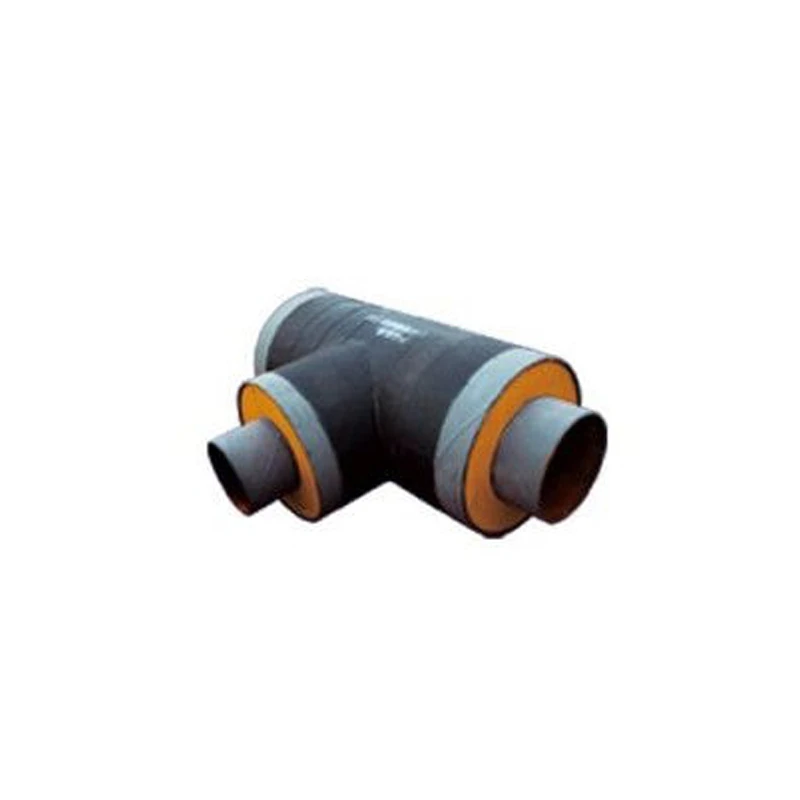
  • Elbow

    Elbow

    Carbon Steel &stainless Steel Elbow Elbows are pipe fittings used to change the direction of pipelines in piping systems, commonly employed at pipeline bends. They are widely used in industries such as petroleum, chemical, and power. The common size range for elbows is DN15-DN2000, and typical angles include 45°, 90°, and 180°.
    VIEW ALL
  • Overlay Welding Clad Steel Pipe

    Overlay Welding Clad Steel Pipe

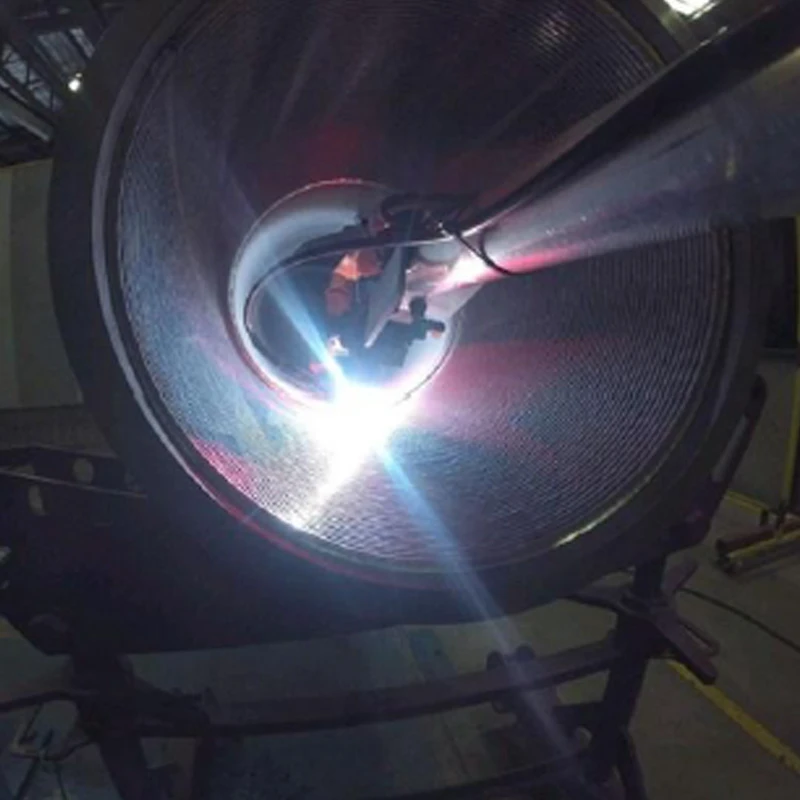
    Overlay Welding clad Steel Pipe features a high-performance welded overlay that enhances the pipe’s surface properties, providing superior resistance to corrosion, erosion, and wear. This process involves applying a wear-resistant alloy layer over a strong steel base, making it ideal for industries such as oil and gas, mining, and chemical processing, where pipes are exposed to harsh conditions. The overlay ensures extended service life, reduced maintenance costs, and reliable performance even in extreme environments. With its combination of strength, durability, and corrosion resistance, the Overlay Welding Steel Pipe is a trusted solution for critical applications.
    VIEW ALL
  • Factory Prefabricated Products

    Factory Prefabricated Products

    In modern industrial construction, the quality and supply efficiency of pipe fittings directly affect the success or failure of the project. With advanced production concept and strong technical strength, we focus on the factory prefabrication of products, and provide all-round pipe fitting solutions for many key fields such as petrochemical industry and coal chemical industry.
    VIEW ALL
To create value for customers!
Cangzhou Leo Technology Co., Ltd. is located in Mengcun County Economic Development Zone, Cangzhou City, Hebei Province. It is a specialized high-tech enterprise that integrates the research and development, production, and sales of composite pipes and fittings.
News
The company regards product quality as the life of the enterprise, establishes a sound quality management system in accordance with the requirements of industry and national standards, controls all aspects of input and output in the whole process, pays attention to every detail, and ensures that the product delivery pass rate is 100%.
High Performance Sink Pipe Steel Guide for Industrial Piping

High Performance Sink Pipe Steel Guide for Industrial Piping

High-Performance Sink Pipe Steel: The Ultimate Guide to Industrial Piping In the demanding world of industrial manufacturing and pressure vessel construction, the selection of materials for piping systems is critical. Utilizing high-quality sink pipe steel ensures that systems can withstand extreme pressures, corrosive media, and mechanical stress. Whether it is for chemical processing, oil and gas, or construction, the right steel grade and fitting geometry can mean the difference between seamless operation and costly system failure. This guide explores the technical nuances of steel elbows and specialized clad materials designed for the most rigorous environments.
Ultimate Guide to Industrial Seamless Steel Pipe for Piping

Ultimate Guide to Industrial Seamless Steel Pipe for Piping

In the realm of modern industrial infrastructure, the integrity of piping systems is non-negotiable. The seamless steel pipe stands as the gold standard for transporting high-pressure fluids and gases. Unlike welded alternatives, seamless pipes are manufactured without a longitudinal seam, eliminating the most common point of failure and ensuring superior structural consistency. This makes them indispensable in sectors where safety and reliability are paramount, such as petroleum, nuclear power, and thermal energy. In this comprehensive guide, we will explore the technical advantages, material specifications, and critical applications of these high-performance components to help you make an informed procurement decision.
High Performance Seamless Steel Pipes for Industrial Piping

High Performance Seamless Steel Pipes for Industrial Piping

In the world of industrial fluid transportation and pressure vessel manufacturing, the choice of piping material can determine the safety and longevity of an entire system. Seamless steel pipes are engineered to withstand extreme conditions without the risk of weld-line failure, making them the gold standard for high-pressure environments. From oil and gas pipelines to hydraulic systems, these pipes offer unmatched structural integrity. In this comprehensive guide, we will explore the technical specifications, benefits, and diverse applications of carbon seamless steel solutions to help you make an informed procurement decision for your next engineering project.
High Performance Seamless Stainless Steel Pipe for Industrial Use

High Performance Seamless Stainless Steel Pipe for Industrial Use

The Ultimate Guide to Seamless Stainless Steel Pipe for Industrial Applications In the demanding world of oil and gas extraction, particularly in fields characterized by high hydrogen sulfide and carbon dioxide levels, the integrity of transportation infrastructure is critical. While traditional carbon steel often fails due to insufficient corrosion resistance, the seamless stainless steel pipe emerges as a premium solution. By eliminating weld seams, these pipes provide superior structural integrity and a seamless barrier against corrosive media. For industries operating under extreme pressure and chemical aggression, choosing the right piping material is not just about efficiencyit is about safety and long-term economic viability.
Industrial Piping Solutions Using Durable sch 40 steel pipe

Industrial Piping Solutions Using Durable sch 40 steel pipe

Optimizing Industrial Piping with SCH 40 Steel Pipe Solutions In the demanding world of industrial manufacturing and fluid transport, selecting the right piping specification is critical for safety and efficiency. The sch 40 steel pipe serves as a global standard for versatility, balancing wall thickness with internal flow capacity. Whether used in petrochemical plants, marine environments, or construction, this pipe grade provides the structural reliability needed to handle moderate pressures. However, as industries evolve, the integration of advanced technologies like laser cladding is transforming how we enhance these pipes to resist extreme corrosion and wear, extending the lifecycle of critical infrastructure.
Industrial 5 inch steel tubing Guide for High Pressure Systems

Industrial 5 inch steel tubing Guide for High Pressure Systems

The Ultimate Guide to 5 Inch Steel Tubing for Industrial Applications When designing high-pressure piping systems or structural frameworks, selecting the right material dimensions is critical for safety and efficiency. The 5 inch steel tubing serves as a versatile midpoint in industrial piping, offering a perfect balance between flow capacity and structural rigidity. Whether it is used in oil and gas transport, water management, or architectural support, the quality of the steel determines the longevity of the entire project. In this comprehensive guide, we will explore the technical specifications, material grades, and strategic advantages of utilizing this specific tubing size
tel email tel top

If you are interested in our products, you can choose to leave your information here, and we will be in touch with you shortly.