Steel pipes material might sound like a dry technical term at first, but if you think about it, this stuff really underpin huge aspects of modern life — from the water running through your home’s plumbing to the towering oil rigs powering entire economies. It’s strange how such a simple product, essentially hollow cylinders of steel, carries the weight of global infrastructure, industry, and even humanitarian aid. Knowing what goes into steel pipes, their strengths, and where they’re used isn’t just for engineers. It empowers buyers, planners, and curious minds to grasp how the world keeps moving—quietly but indispensably.
Mini takeaway: Steel pipes are more than just metal tubes; they’re a global backbone for infrastructure and essential industries.
The world consumes roughly 180 million tons of steel pipes annually, according to estimates by the World Steel Association. Much of this volume feeds sectors like oil and gas extraction, construction, water supply, and manufacturing. The United Nations’ Sustainable Development Goals (SDGs) also hinge on reliable, durable materials like steel pipes to improve water access and energy infrastructure.
But there’s a catch — sourcing, producing, and distributing steel pipes comes with challenges related to sustainability, cost, and geopolitical dependencies. Rising demand puts pressure on mining and refining operations, and the carbon footprint has become a hot topic. So, industry players are constantly pushing innovation in materials and manufacturing.
Mini takeaway: Steel pipes are critical globally, but face sustainability and supply chain challenges requiring constant innovation.
At its core, steel pipes material refers to the raw steel and manufactured forms used to create cylindrical hollow tubes designed for transporting liquids, gases, or even structural loads. They come in various types—seamless, welded, coated, and alloyed—each suited for specific environments or applications.
Steel pipes link directly to modern industry: without them, water systems falter, oil and gas can’t be transported safely, and construction can’t achieve the scale and strength that modern standards demand. On a humanitarian level, efficient steel piping can mean the difference between safe potable water delivery or unchecked contamination in vulnerable regions.
Mini takeaway: Simply put, steel pipes are hollow steel tubes critical for transport and structural solutions across industries and aid.
A big deal for steel pipes is how they withstand time and environment. Corrosion-resistant alloys or coated pipes prevent rusting that can cause leaks or failures. Roughly, steel with protective zinc coatings (galvanized pipes) can last decades in harsh conditions.
Steel pipes need to handle pressure, whether internal from fluid or external loads in structural use. Many engineers say tensile strength and yield strength figures help determine suitability — for instance, pipes in high-pressure gas lines are specified carefully to prevent ruptures.
Precision in diameter, wall thickness, and uniformity are essential — a fraction off can lead to fitting issues or failure. ISO and ASTM standards guide manufacturers, ensuring pipes meet international quality benchmarks. This also impacts compatibility with fittings and regulations.
While alloy steel or high-grade pipes can be pricey, the lifespan and lower maintenance often justify the investment. Plus, local availability affects project timelines and logistics costs. In some remote areas, imported steel pipes material can become a bottleneck.
New methods focus on producing steel pipes with lower carbon footprints using recycled steel or greener manufacturing processes. Organizations like ISO 14001 promote environmental management systems in production facilities.
Mini takeaway: Durability, strength, precision, cost, and eco-friendliness define good steel pipes material today.
Steel pipes are everywhere — literally the veins and skeleton of our modern infrastructure. In the Middle East and Russia, massive natural gas pipelines stretch for thousands of kilometers, relying on the strongest steel pipes materials to avoid leaks and withstand harsh climates.
In rapidly urbanizing Asian cities, steel pipes enable complex water distribution networks, delivering potable water to millions daily. Post-disaster relief agencies often deploy modular steel piping solutions that can be installed quickly to restore essential water or fuel supply.
In heavy industry zones like Germany’s Ruhr or Pennsylvania’s refinery districts, steel pipes also form structural supports, conveyor systems, and transport networks that keep production humming.
One interesting story comes from a remote Alaskan mining operation, where engineers chose galvanized steel pipes material to resist extreme cold and moisture for their water and slurry transport — a decision that saved thousands in maintenance and downtime over a decade.
Mini takeaway: From deserts to Arctic mining sites, steel pipes materials adapt to diverse global industries and critical infrastructure.
It’s a bit like choosing a sturdy bridge over a rickety rope — peace of mind and long-term value are priceless.
| Specification | Value / Range | Notes |
|---|---|---|
| Material Grade | ASTM A106 Gr. B / API 5L | Common for oil & gas |
| Diameter | 1" to 48" (25mm to 1200mm) | Custom sizes available |
| Wall Thickness | Schedule 10 to 160 (varies) | Determines pressure tolerance |
| Coating | Galvanized / Epoxy / Polyethylene | Corrosion protection |
| Tensile Strength | 415-550 MPa | Typical for structural steel pipes |
| Vendor | Product Range | Quality Certifications | Sustainability Initiatives | Global Reach |
|---|---|---|---|---|
| Vendor A | Seamless & Welded Pipes | ISO 9001, API 5L | Carbon-neutral plant by 2030 | North America, Europe, Asia |
| Vendor B | Galvanized, Coated Pipes | ISO 14001, ASTM A53 | Recycled steel usage 60% | Europe, Africa, South America |
| Vendor C | Specialty Alloy Pipes | API, ISO 9001, PED | Eco-friendly packaging programs | Global |
The steel pipes sector is evolving fast. Frankly, there’s growing momentum behind green steel production — using hydrogen instead of coke to reduce carbon emissions drastically. Digital twins and IoT sensors also bring real-time monitoring to pipelines, spotting stress and corrosion faster than ever. You might have noticed some companies piloting self-healing coatings to close small defects automatically.
Hybrid materials combining steel with composites offer lighter pipes without compromising strength, improving transport and installation efficiency. And governments worldwide are tightening regulations, nudging manufacturers toward circular economy approaches and higher transparency.
Mini takeaway: Green production, smart monitoring, and hybrid materials promise a more sustainable, reliable future for steel pipes.
Despite all the progress, sourcing raw materials remains volatile, and global supply chains can be unpredictable — just ask any project manager during recent logistics disruptions. Corrosion under insulation (CUI) still puzzles many operators despite coatings, because moisture intrusion can be sneaky.
Experts tackle these with advanced metallurgical processes, better coatings, and digital inspection tools. They also emphasize choosing the right steel pipes material for the job, based on environment, usage, and life expectancy, rather than one-size-fits-all.
Innovative maintenance programs that combine drones and AI inspections are reducing downtime and improving safety metrics significantly.
Mini takeaway: Challenges remain, but technology and smarter selection reduce risks and improve steel pipes' longevity.
Q1: What types of steel pipes materials are best for high-pressure oil pipelines?
A1: For high-pressure oil pipelines, seamless carbon steel pipes graded ASTM A106 Grade B or API 5L are preferred due to their superior strength, uniformity, and ability to withstand internal pressures safely.
Q2: How long can galvanized steel pipes last in outdoor applications?
A2: Properly galvanized steel pipes can last anywhere from 30 to 50 years outdoors, depending on environmental factors like humidity and pollution levels. Regular inspection is still recommended.
Q3: Are steel pipes materials recyclable and eco-friendly?
A3: Yes, steel is one of the most recycled materials globally. Many manufacturers use recycled steel and sustainable production methods to lower environmental impact, making steel pipes eco-friendly over their lifecycle.
Q4: Can NGOs source steel pipes materials internationally for humanitarian projects?
A4: Absolutely. Many suppliers support international shipping and provide certification for compliance with standards recognized worldwide, facilitating NGO procurement across borders.
Steel pipes materials quietly drive the modern economy and society. When you choose the right steel pipes for your project, you’re not just buying metal—you’re investing in safety, durability, and sustainability over decades. There's a whole ecosystem behind this choice too: the suppliers, engineers, standards, and innovations shaping what’s possible tomorrow.
If you’re looking for reliable steel pipes material that balances quality, sustainability, and cost, take a moment to check out steel pipes material on our website. It’s more than a product — it’s the foundation for the future.
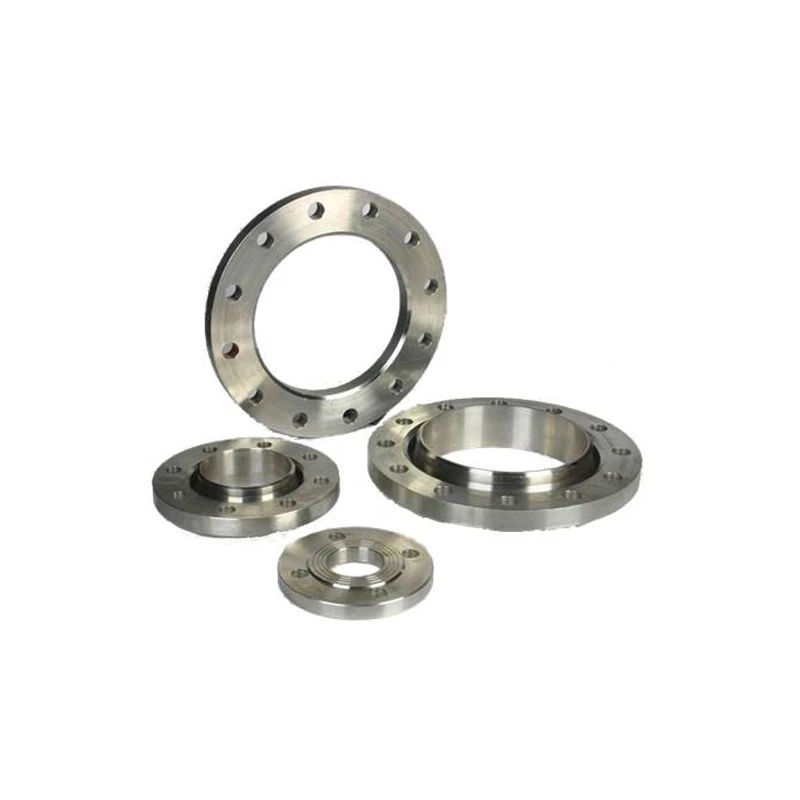
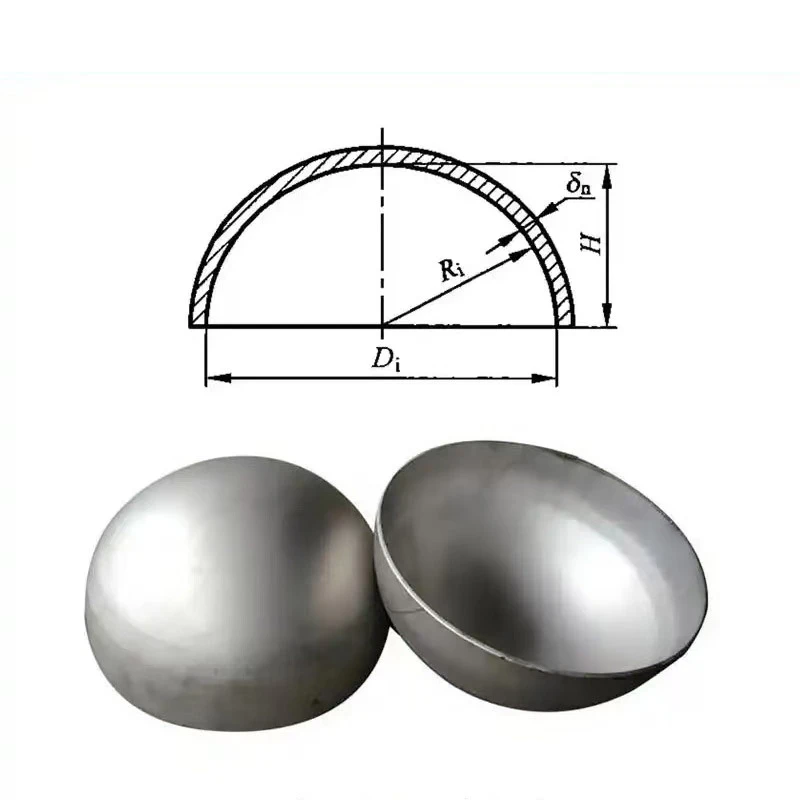
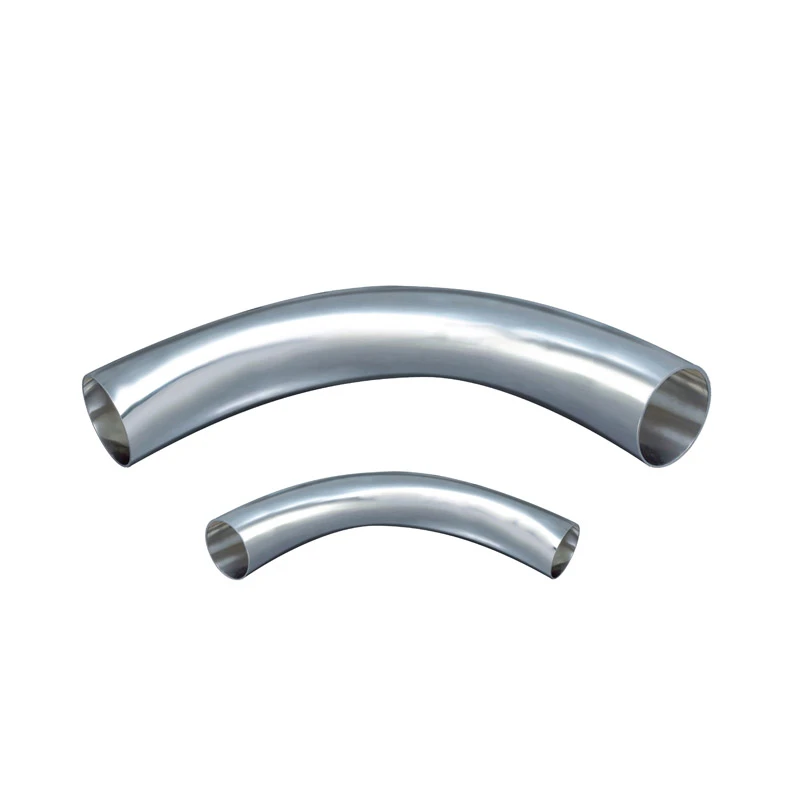
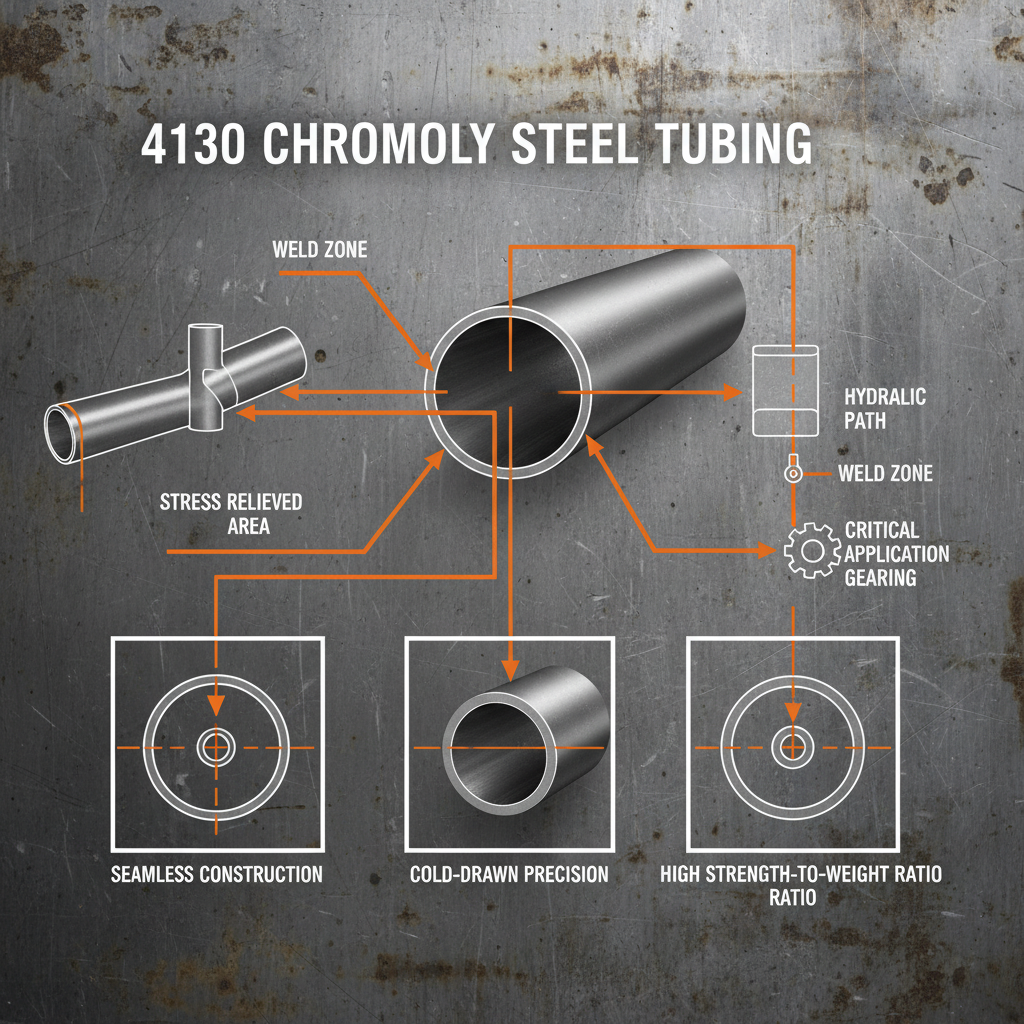
Ultimate Guide to 4130 Tubing Strength Performance and Applications
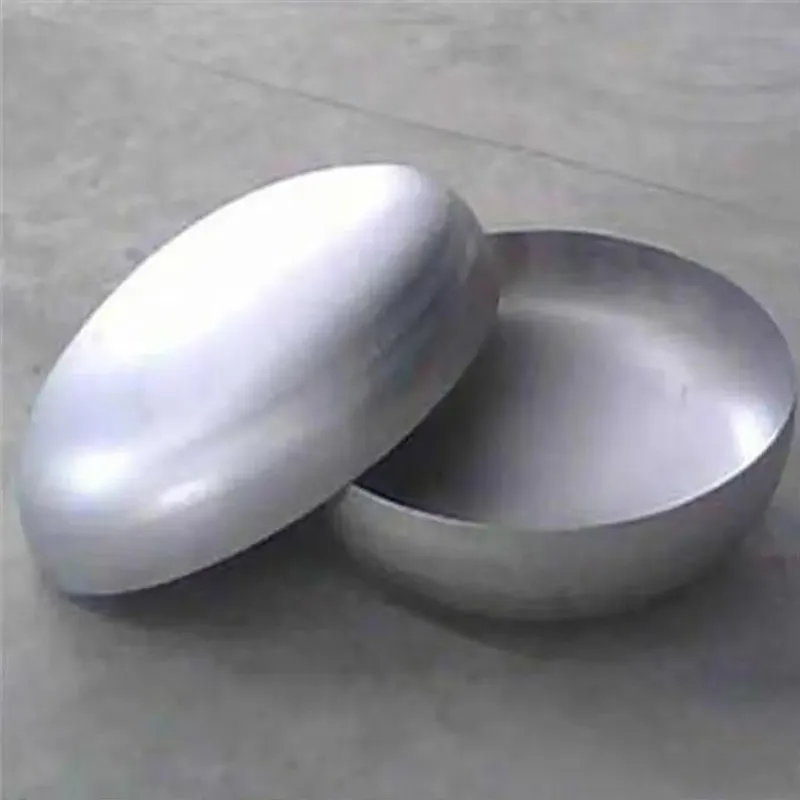
Pipe Cap-Cangzhou Lion Technology Co., Ltd.|Enhancing System Efficiency&Durability
Pipe Cap-Cangzhou Lion Technology Co., Ltd.|Enhancing System Efficiency&Durability
Pipe Cap-Cangzhou Lion Technology Co., Ltd.|Enhancing System Efficiency&Durability
Pipe Cap-Cangzhou Lion Technology Co., Ltd.|Enhancing System Efficiency&Durability
Pipe Cap-Cangzhou Lion Technology Co., Ltd.|Enhancing System Efficiency&Durability