4 steel tubing is a versatile material used extensively in various industries, from construction and manufacturing to automotive and aerospace. Its strength, durability, and cost-effectiveness make it a popular choice for structural components, frameworks, and more. This article will delve into the properties, applications, and specifications of 4 steel tubing, providing a comprehensive guide for professionals and anyone considering using this essential material. Explore our range of high-quality steel tubing at Lion Pipeline, where we specialize in delivering reliable and robust solutions for your project needs.
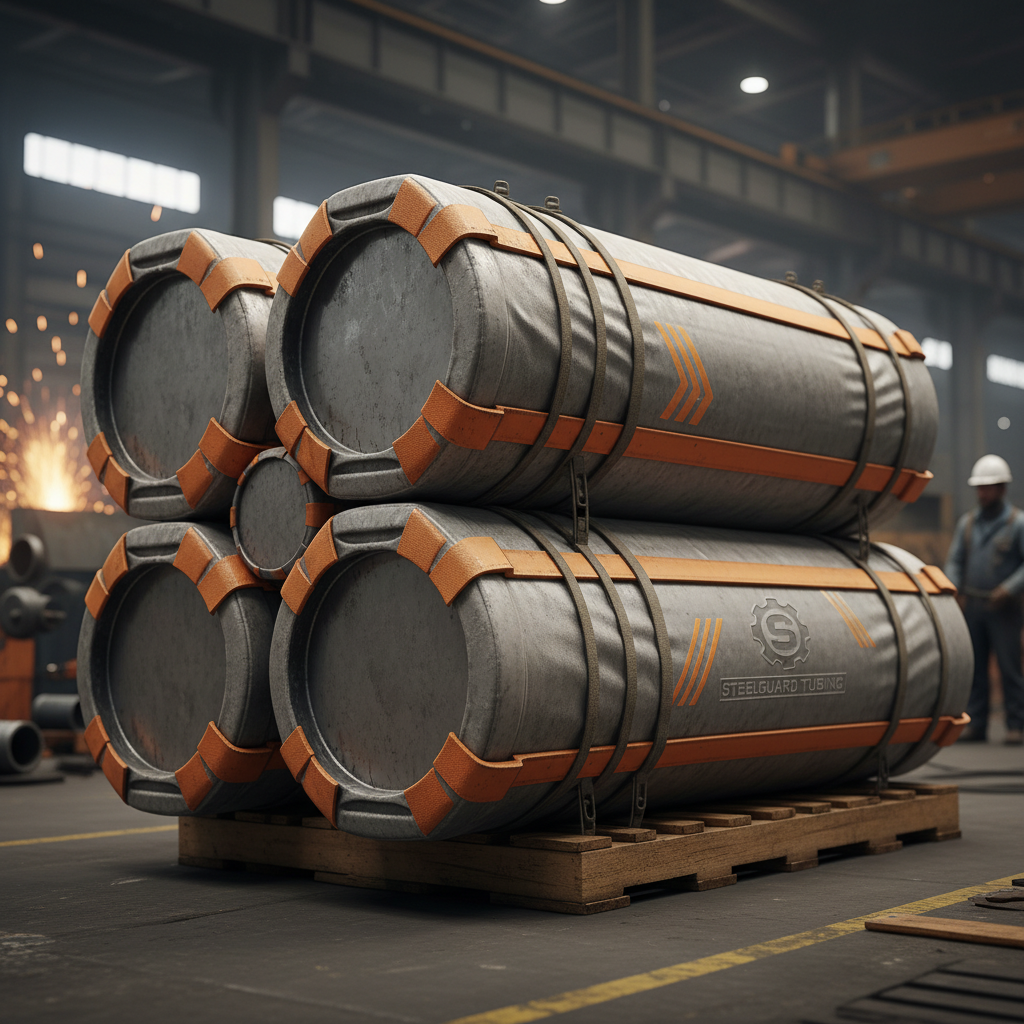
"4 steel tubing" typically refers to steel tubing with an outer diameter (OD) of 4 inches. It’s crucial to note that the term can also refer to the wall thickness, though this is less common. The "4" primarily indicates the outside dimension of the pipe. This type of tubing is available in various steel grades, including carbon steel, alloy steel, and stainless steel, each offering different properties and suitability for specific applications. Lion Pipeline offers a wide selection of 4 steel tubing in various grades and finishes.
Key Highlights: 4 steel tubing is available in different steel grades, offering varying properties like strength and corrosion resistance. The outer diameter is consistently 4 inches, making it standardized for compatibility across projects.
The versatility of 4 steel tubing allows for its use in a broad spectrum of applications. In construction, it serves as structural support for buildings, bridges, and scaffolding. The oil and gas industry uses it for pipelines and drilling equipment. Automotive manufacturers utilize it for chassis components and roll cages. Furthermore, it's common in agricultural machinery, furniture manufacturing, and even art installations. Lion Pipeline caters to diverse industry needs with specialized 4 steel tubing solutions.
Common Applications:
• Structural support in construction
• Pipelines in oil and gas industry
• Chassis components in automotive manufacturing
• Agricultural machinery
Choosing the right steel grade is crucial for optimal performance. Carbon steel offers high strength and affordability, making it ideal for general structural applications. Alloy steel provides enhanced strength, toughness, and corrosion resistance, suitable for more demanding environments. Stainless steel delivers exceptional corrosion resistance and is often used in applications requiring hygiene or exposure to harsh chemicals. Here’s a comparative overview:
When sourcing 4 steel tubing, several specifications are crucial to consider. These include the outer diameter (4 inches), wall thickness (varying based on application requirements), length, and steel grade. Common standards include ASTM A53, ASTM A500, and API 5L, which dictate material composition, mechanical properties, and testing procedures. Lion Pipeline ensures all our 4 steel tubing meets or exceeds these industry standards.
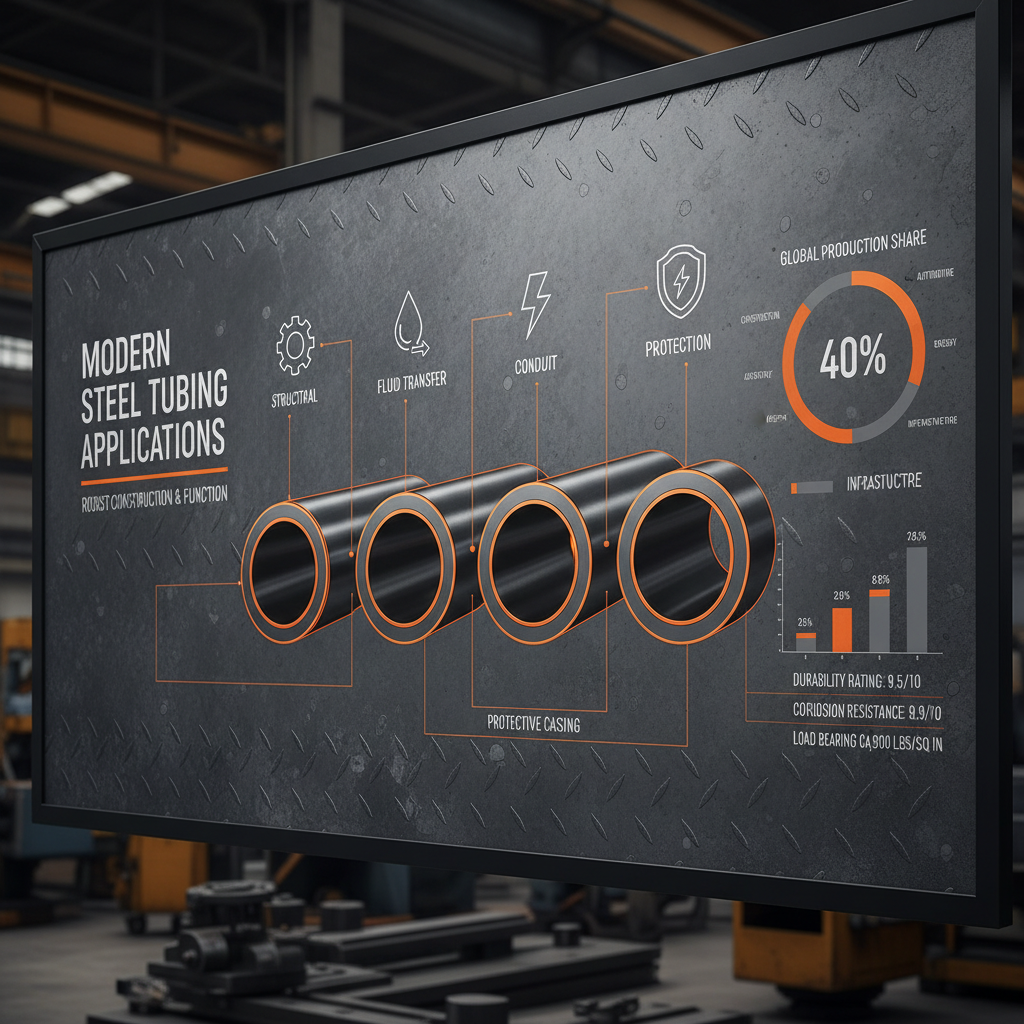
Quality control is paramount when selecting 4 steel tubing. Reputable suppliers like Lion Pipeline implement rigorous testing procedures, including hydrostatic testing, non-destructive examination (NDE), and dimensional checks, to ensure that the tubing meets specified requirements. Certificates of compliance should be readily available, verifying adherence to relevant industry standards. Proper documentation and traceability are essential for maintaining project integrity.
Selecting the appropriate 4 steel tubing requires careful consideration of application requirements, steel grade, and compliance standards. Lion Pipeline is committed to providing high-quality 4 steel tubing, backed by expert support and reliable delivery. Invest in quality and ensure the success of your projects.
The wall thickness for 4 steel tubing varies depending on the intended application. Common thicknesses range from Schedule 40 (0.237 inches) to Schedule 80 (0.375 inches), and even heavier schedules are available for high-pressure or structural applications. Thicker walls provide greater strength and pressure resistance but also increase weight and cost. At Lion Pipeline, we offer a wide range of wall thicknesses to meet your specific needs.
Common end finishes include plain end, beveled end, and threaded end. Plain ends are suitable for welding or joining with couplings. Beveled ends are prepared for welding, creating a stronger and more consistent weld. Threaded ends allow for easy connection with threaded fittings. The choice of end finish depends on the specific joining method and application requirements.
4 steel tubing is typically transported in bundles, often secured with steel straps or plastic wrapping to prevent damage during transit. Larger orders may be shipped on pallets or in specialized containers. Proper packaging and handling are crucial to ensure the tubing arrives at its destination in good condition. Lion Pipeline utilizes secure packaging and reliable logistics partners to ensure safe and timely delivery.
Seamless tubing is manufactured from a solid billet of steel that is pierced to create a hollow tube, resulting in a uniform structure. Welded tubing is made by rolling a steel plate into a cylindrical shape and welding the seam. Seamless tubing generally offers higher strength and pressure resistance, while welded tubing is typically more cost-effective. The choice depends on the application’s requirements.
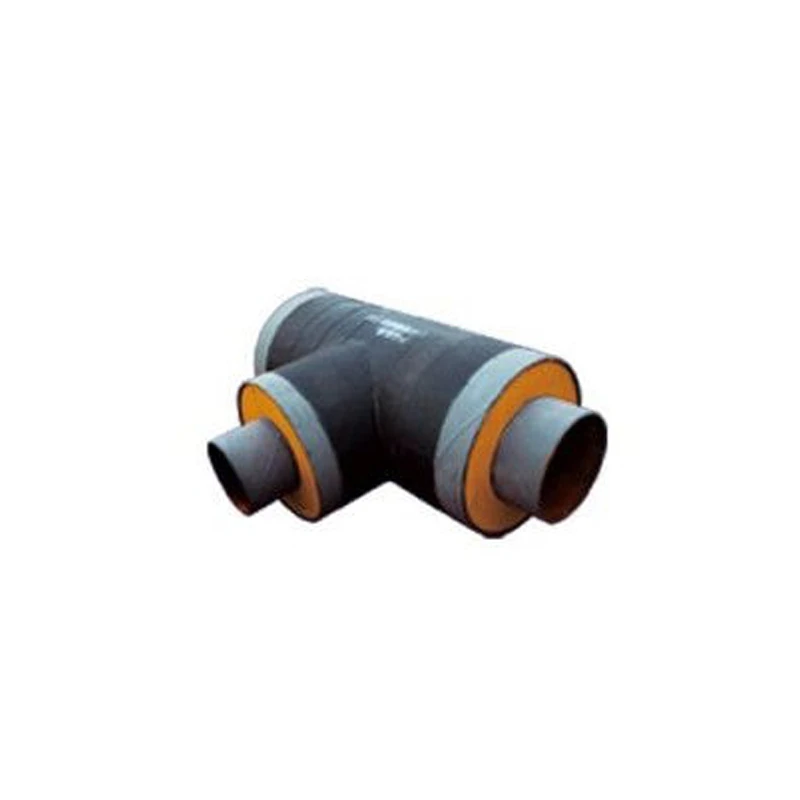
Anti Corrosion And Thermal Insulation Products
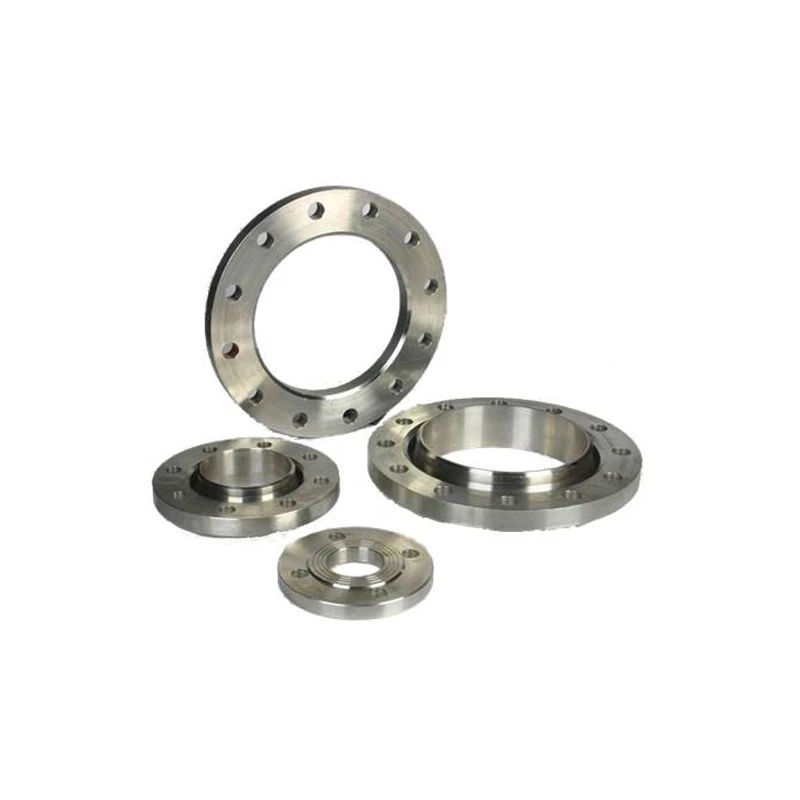

Ultimate Guide to 4130 Tubing Strength Performance and Applications
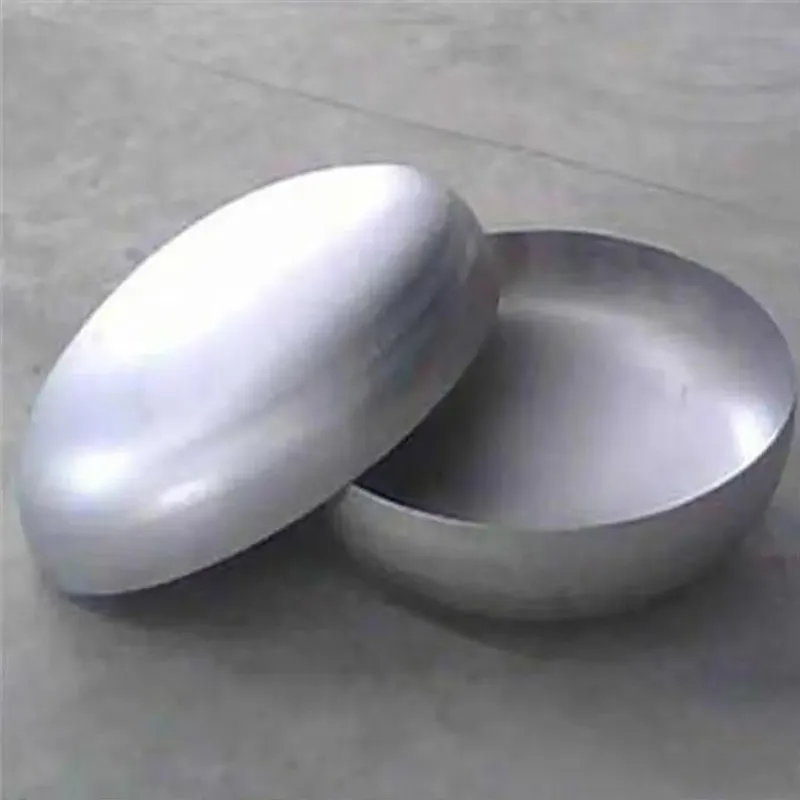
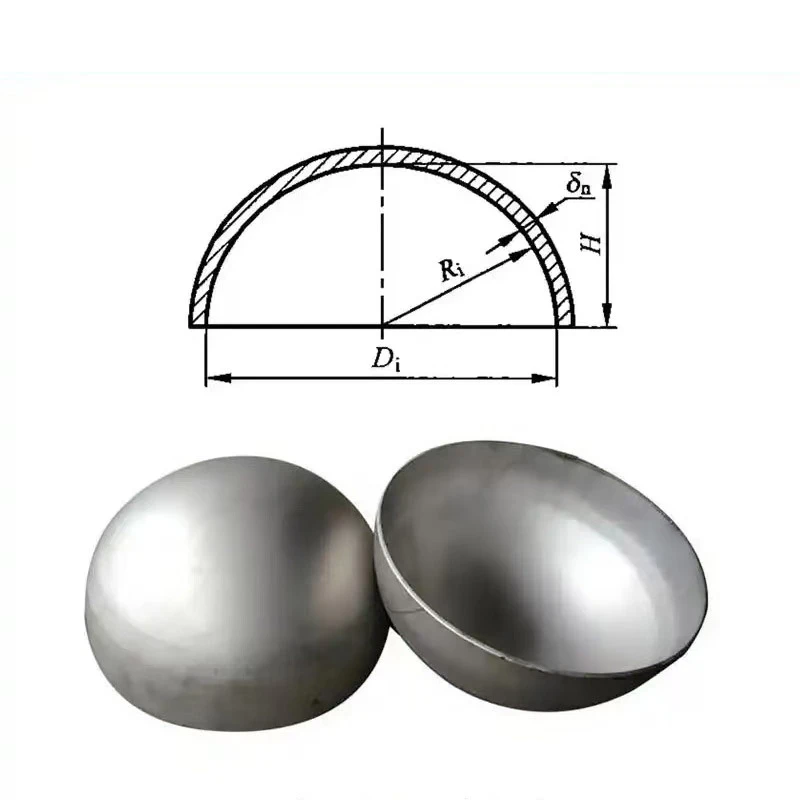
Pipe Cap-Cangzhou Lion Technology Co., Ltd.|Enhancing System Efficiency&Durability
Pipe Cap-Cangzhou Lion Technology Co., Ltd.|Enhancing System Efficiency&Durability
Pipe Cap-Cangzhou Lion Technology Co., Ltd.|Enhancing System Efficiency&Durability
Pipe Cap-Cangzhou Lion Technology Co., Ltd.|Enhancing System Efficiency&Durability
Pipe Cap-Cangzhou Lion Technology Co., Ltd.|Enhancing System Efficiency&Durability