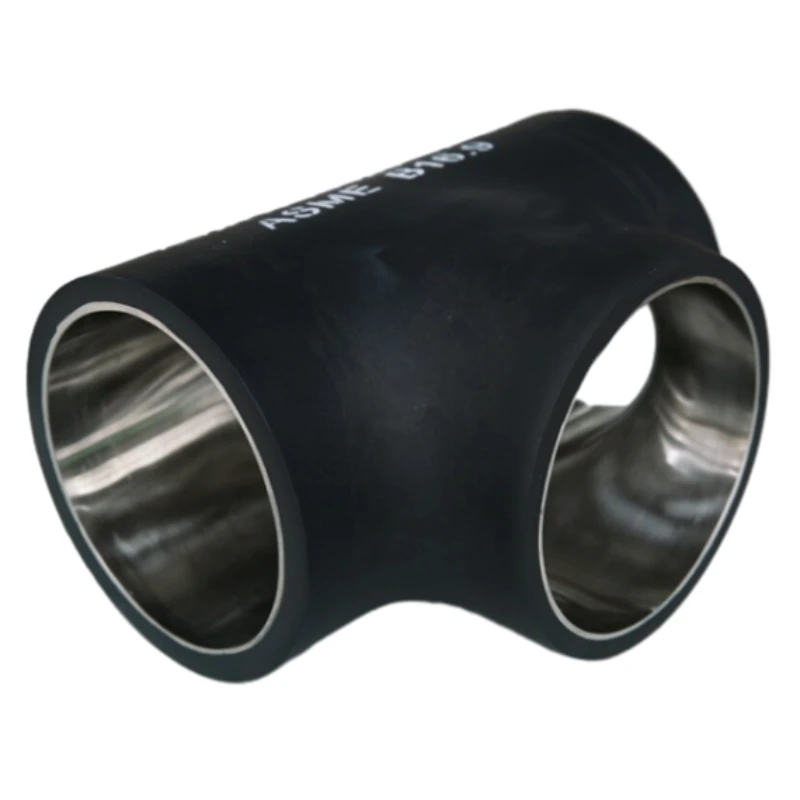
4 steel pipe is a fundamental material in numerous industries, from construction and infrastructure to oil & gas and manufacturing. This article provides a detailed overview of 4 inch steel pipe, covering its applications, specifications, advantages, and factors to consider when sourcing. We will delve into different grades, manufacturing processes, and quality standards to help you make informed decisions. Lion Pipeline offers a comprehensive range of 4" steel pipes to meet your specific needs. Choosing the right pipe is crucial for project success and long-term durability.
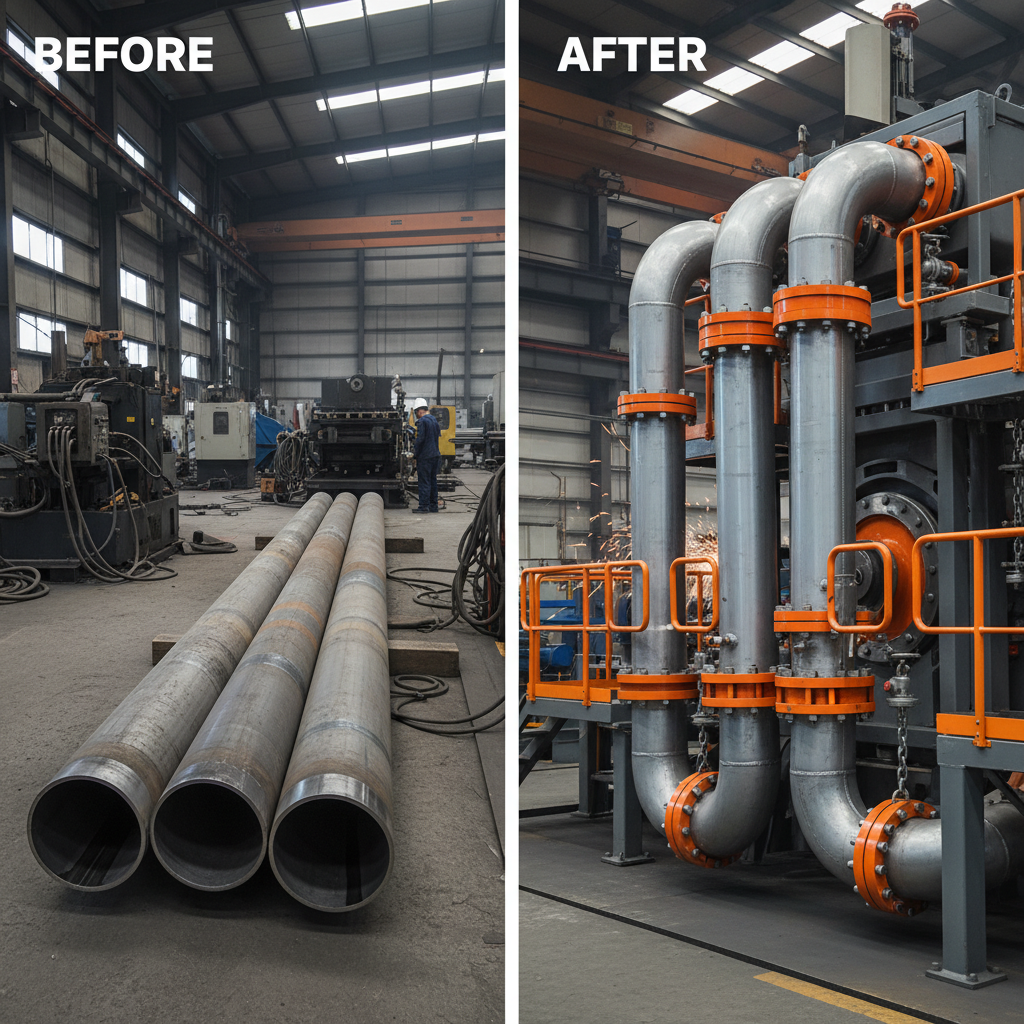
4 steel pipe finds extensive use across a wide spectrum of industries. In the construction sector, it’s vital for structural support, scaffolding, and handrails. The oil and gas industry relies heavily on it for pipelines transporting crude oil, natural gas, and other fluids. Manufacturing utilizes it for machinery frames, fluid transfer systems, and various structural components. Water distribution systems also employ 4" steel pipe for its durability and reliability. Its robust nature makes it suitable for applications requiring high pressure and temperature resistance. Furthermore, Lion Pipeline’s steel pipes are often used in irrigation systems and fire protection networks.
Key Industries: Construction, Oil & Gas, Manufacturing, Water Distribution, Irrigation, Fire Protection.
Not all 4 steel pipes are created equal. Different steel grades offer varying levels of strength, ductility, and corrosion resistance. Common grades include A53, A106, and X42. A53 is a widely used carbon steel suitable for general-purpose applications. A106 is a higher-strength carbon steel often used in high-temperature services. X42 is a low-alloy steel offering increased strength and toughness, frequently used in pipeline applications. The selection of the appropriate grade depends on the specific application requirements, pressure, temperature, and corrosive environment.
Grade Comparison:
• A53: General purpose, lower cost
• A106: High temperature, higher strength
• X42: High strength, pipeline applications
Understanding the specifications of 4 steel pipe is critical for ensuring compatibility and proper performance. The outer diameter of 4" pipe is 4.5 inches, while the inner diameter varies depending on the wall thickness. Wall thickness is measured in schedule numbers (e.g., Schedule 40, Schedule 80). Higher schedule numbers indicate thicker walls and increased pressure-handling capacity. Typical lengths are 20 feet (single random length), but custom lengths are available.
Two primary manufacturing processes are used for producing 4 steel pipe: seamless and welded. Seamless pipe is created by piercing a solid billet of steel, resulting in a pipe with no weld seam. Welded pipe is formed by rolling a steel plate and welding the seam. Seamless pipe generally offers higher strength and is preferred for critical applications like high-pressure pipelines. Welded pipe is typically more cost-effective and suitable for lower-pressure applications. Lion Pipeline offers both seamless and welded 4" steel pipe to cater to diverse customer requirements.
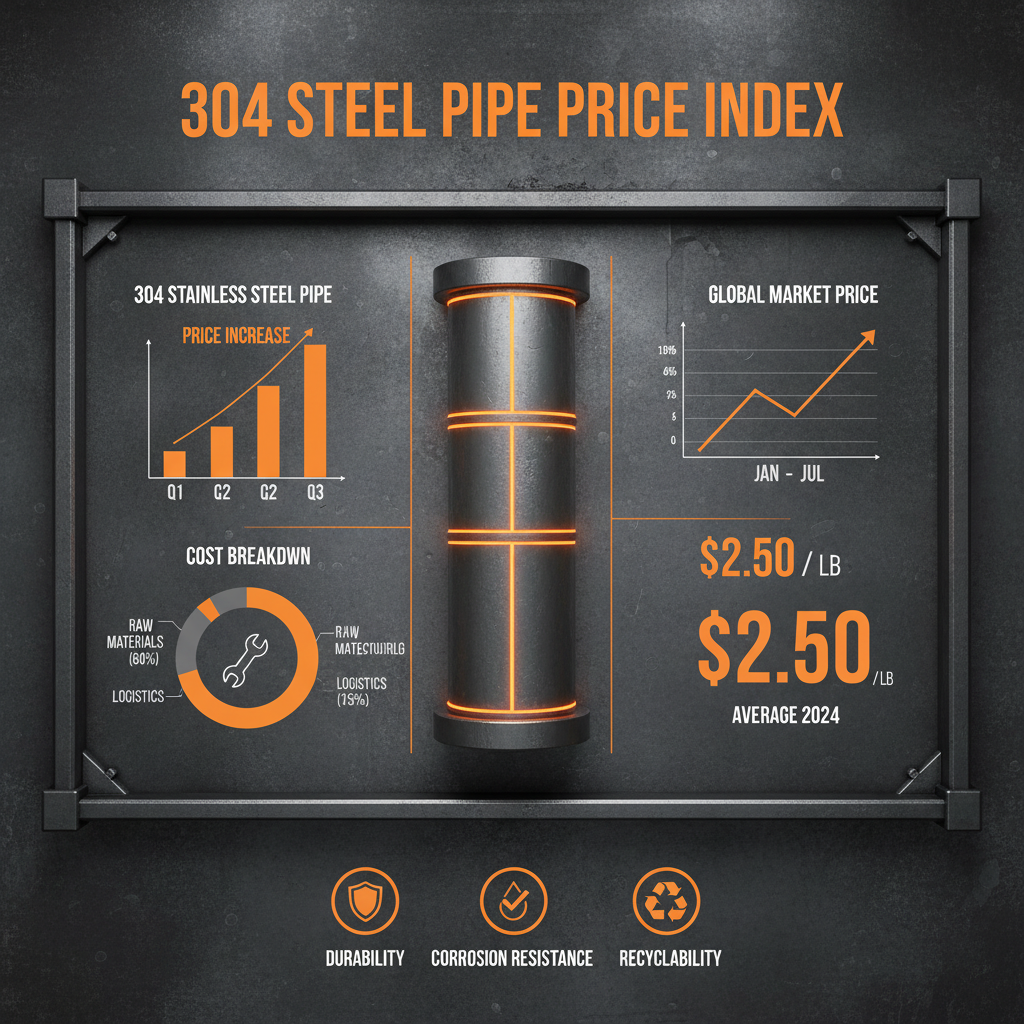
When sourcing 4 steel pipe, several factors require careful consideration. Firstly, determine the specific application and corresponding steel grade requirements. Secondly, evaluate the wall thickness (schedule) based on the operating pressure and temperature. Thirdly, choose between seamless and welded pipe based on strength and cost considerations. Finally, verify that the pipe meets relevant industry standards and certifications (e.g., API 5L, ASTM). Partnering with a reputable supplier like Lion Pipeline ensures quality, reliability, and competitive pricing.
Selecting the appropriate 4 steel pipe is crucial for the success and longevity of your project. By carefully considering the application, grade, specifications, and manufacturing process, you can ensure optimal performance and reliability. Lion Pipeline offers a wide range of high-quality 4" steel pipes and expert guidance to help you make the best choice. Don't compromise on quality – choose a trusted partner for your steel pipe needs.
Lead times vary depending on the quantity, grade, and schedule of the pipe. Typically, standard sizes and grades in stock can be shipped within 5-7 business days. Custom orders or larger quantities may require a longer lead time, typically 2-4 weeks. We strive to provide accurate lead time estimates at the time of order placement. Contacting our sales team at Lion Pipeline allows for a precise estimate based on your specific requirements.
Yes, Lion Pipeline offers a range of corrosion protection coatings, including epoxy coatings, polyethylene coatings, and galvanization. These coatings enhance the pipe's resistance to corrosion, extending its lifespan in harsh environments. The choice of coating depends on the specific application and exposure conditions. We can advise on the most suitable coating option based on your needs.
Lion Pipeline is committed to quality and adheres to stringent industry standards. We hold certifications including ISO 9001, ensuring our quality management system meets international requirements. Our pipes are also compliant with API 5L and ASTM standards. Certificates of conformity are available upon request, providing assurance of quality and traceability. You can find more details regarding our certifications on the Lion Pipeline website.
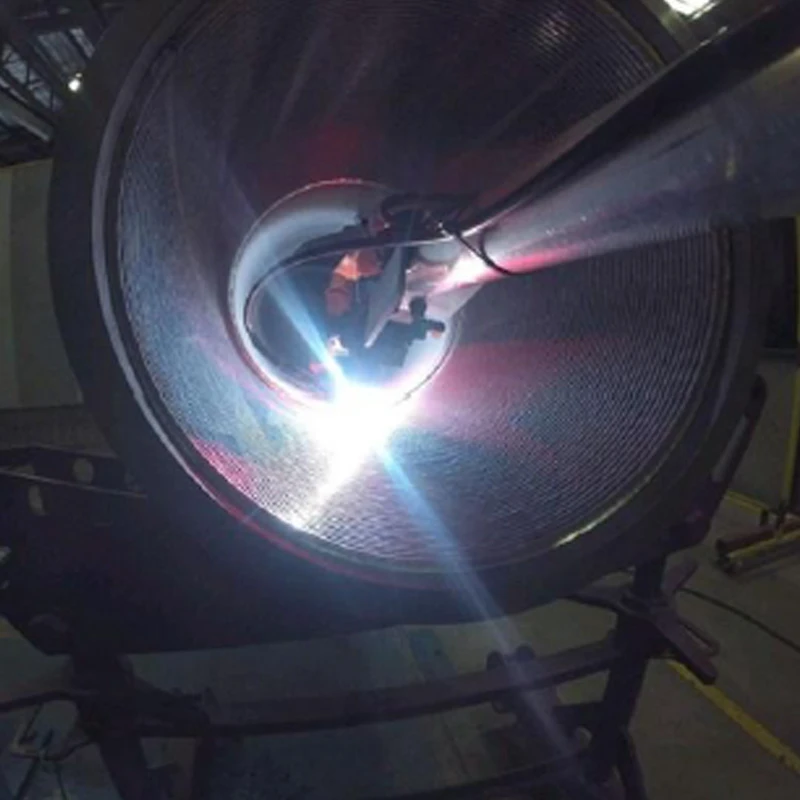
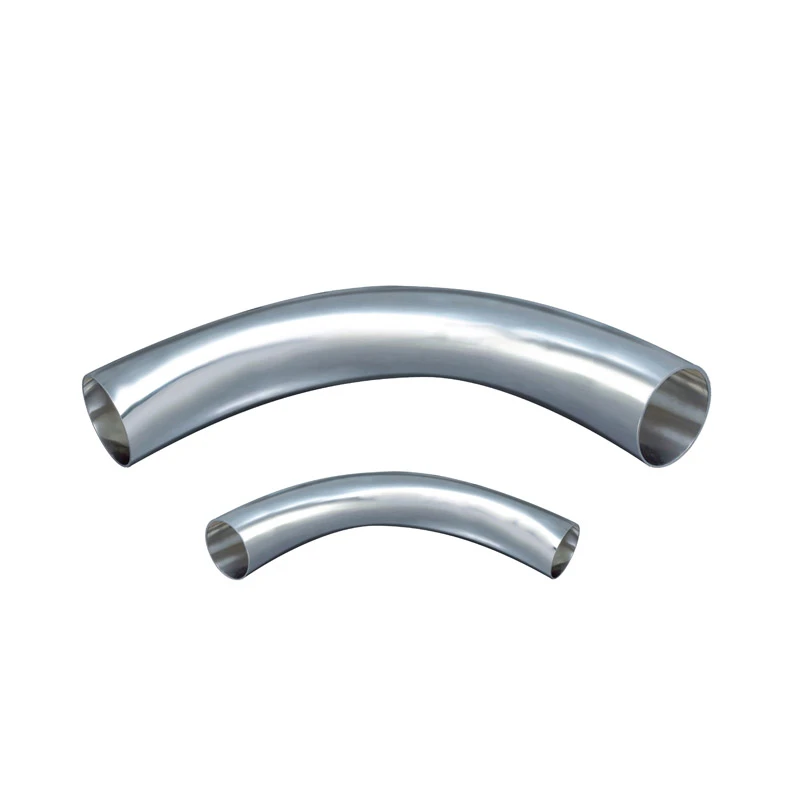
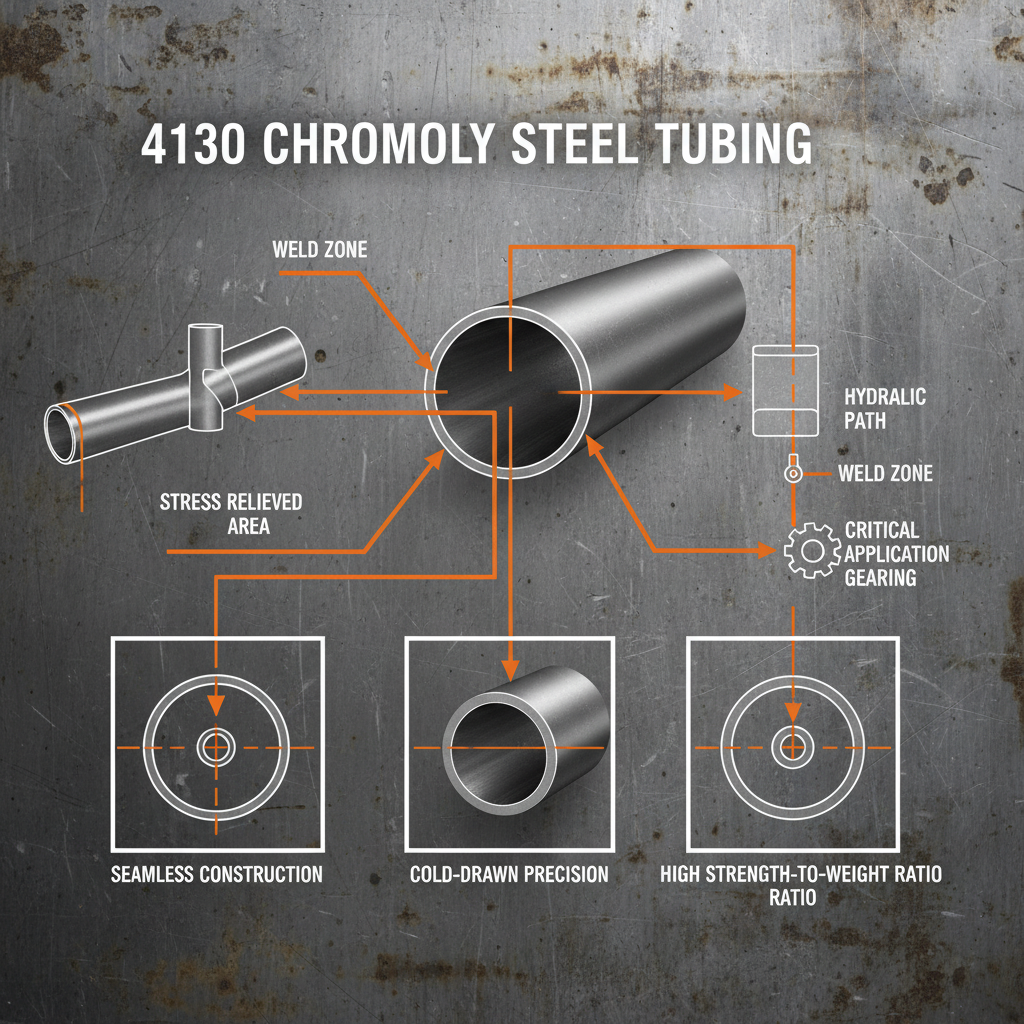
Ultimate Guide to 4130 Tubing Strength Performance and Applications
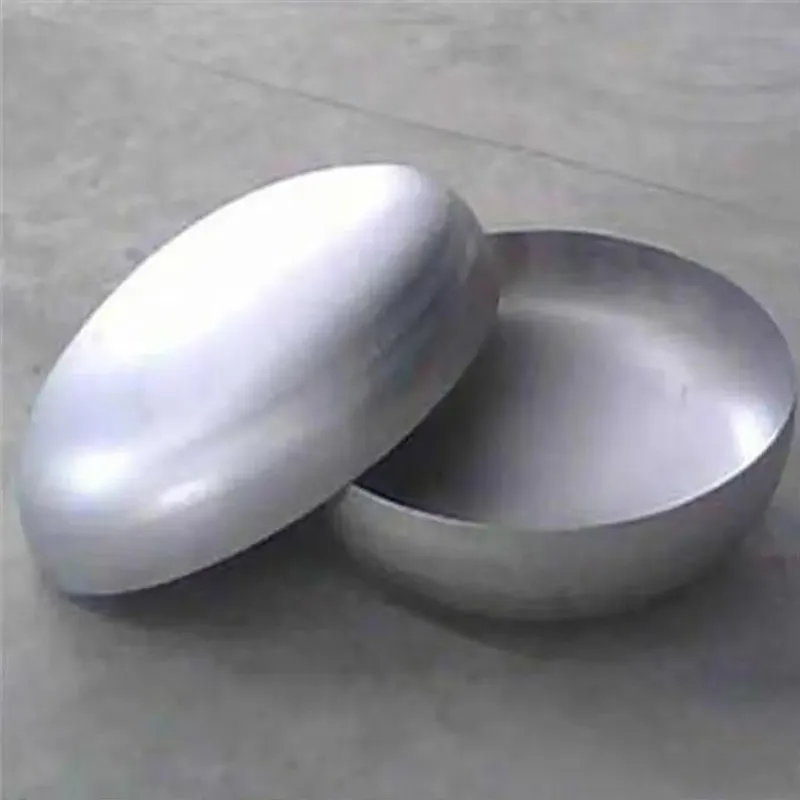
Pipe Cap-Cangzhou Lion Technology Co., Ltd.|Enhancing System Efficiency&Durability
Pipe Cap-Cangzhou Lion Technology Co., Ltd.|Enhancing System Efficiency&Durability
Pipe Cap-Cangzhou Lion Technology Co., Ltd.|Enhancing System Efficiency&Durability
Pipe Cap-Cangzhou Lion Technology Co., Ltd.|Enhancing System Efficiency&Durability
Pipe Cap-Cangzhou Lion Technology Co., Ltd.|Enhancing System Efficiency&Durability