When sourcing materials for fluid transfer, structural support, or various industrial applications, 4 inch stainless steel pipe stands out as a versatile and reliable choice. This article provides a detailed overview of its properties, applications, grades, and considerations for optimal use. We’ll explore why stainless steel is often preferred over other materials and how to select the right pipe for your specific needs. Choosing the correct piping system is crucial for ensuring efficiency, safety, and longevity in any project.
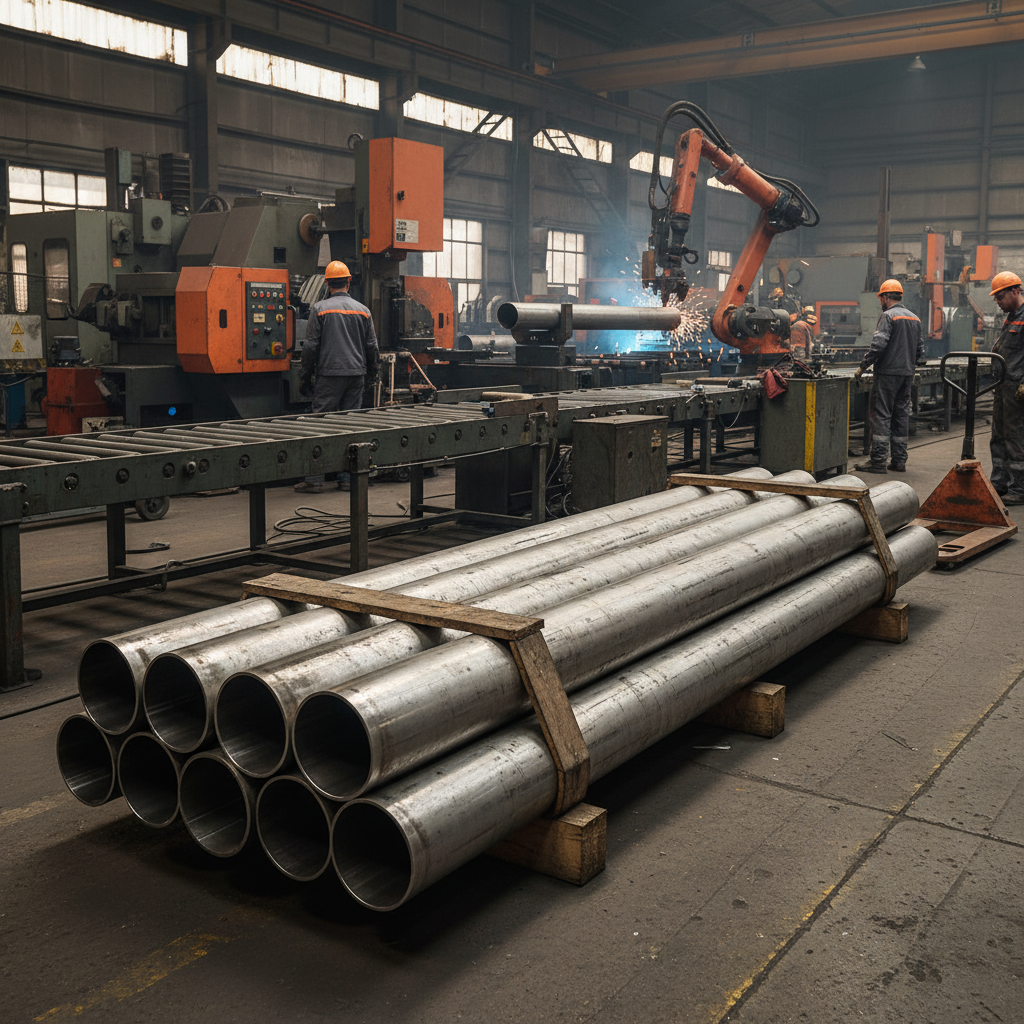
Stainless steel pipes, particularly those with a 4-inch diameter, possess a unique combination of properties that make them ideal for a wide range of applications. Corrosion resistance is paramount, thanks to the chromium content in the alloy, which forms a protective layer against environmental factors. High tensile strength and durability ensure longevity, even under pressure or demanding conditions. They also exhibit excellent temperature resistance, making them suitable for both high and low-temperature applications. Furthermore, stainless steel is hygienic and easy to clean, which is vital in industries like food processing and pharmaceuticals. The smooth internal surface minimizes friction loss, optimizing flow efficiency. Lion Pipeline offers a variety of 4 inch stainless steel pipes tailored to different industry requirements.
Key Highlights: Corrosion resistance, high tensile strength, excellent temperature resistance, hygienic and easy to clean, minimal friction loss.
Not all stainless steel is created equal. Different grades offer varying levels of corrosion resistance, strength, and weldability. 304/304L stainless steel is the most widely used grade due to its excellent corrosion resistance and affordability. 316/316L stainless steel offers superior corrosion resistance, especially against chlorides, making it ideal for marine environments or chemical processing. Duplex stainless steel provides even higher strength and corrosion resistance but is typically more expensive. Selecting the appropriate grade is critical for ensuring the longevity and performance of your piping system. Lion Pipeline provides detailed specifications for each grade to help you make an informed decision.
Stainless Steel Grade Comparison:
• 304/304L: Excellent corrosion resistance, cost-effective.
• 316/316L: Superior corrosion resistance, ideal for harsh environments.
• Duplex: High strength and corrosion resistance, premium option.
The versatility of 4 inch stainless steel pipe allows for its use in numerous industries. In the food and beverage industry, its hygienic properties and resistance to corrosion make it ideal for processing and transporting liquids. In the chemical industry, it withstands harsh chemicals and maintains integrity. Pharmaceutical companies rely on its purity and ease of cleaning. Construction projects utilize it for structural supports and water supply lines. Oil and gas industries benefit from its strength and resistance to extreme temperatures. Lion Pipeline serves a diverse range of clients across these sectors.
Before purchasing 4 inch stainless steel pipe, consider several factors. Determine the appropriate grade based on the fluid being transported and the environmental conditions. Consider the required schedule (wall thickness) based on pressure requirements. Choose the right end finish (e.g., plain end, beveled end) based on your welding or joining method. Confirm compliance with relevant industry standards and certifications. Finally, select a reputable supplier like Lion Pipeline to ensure quality and reliability.
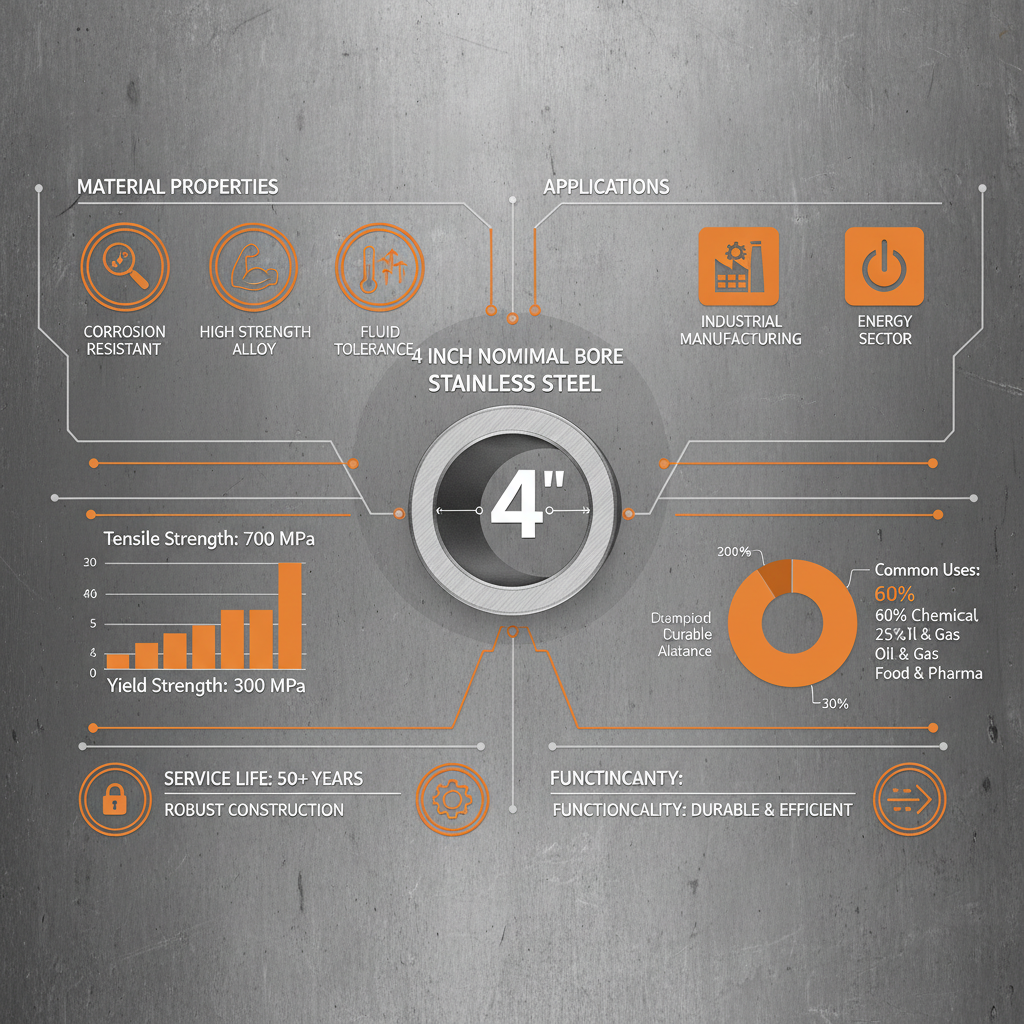
Below is a table outlining the standard specifications for our 4 inch stainless steel pipes. We also offer custom sizes and configurations to meet specific project needs. Contact our team for a quote on specialized requirements. All pipes are rigorously tested to ensure they meet or exceed industry standards.
Selecting the right 4 inch stainless steel pipe is crucial for the success of your project. Factors such as grade, schedule, and end finish play a significant role in ensuring optimal performance and longevity. Lion Pipeline provides high-quality pipes and expert guidance to help you make the best choice for your specific application. Invest in quality and ensure the reliability of your piping system.
Schedule refers to the pipe's wall thickness. Schedule 40 pipes have thinner walls and are suitable for lower-pressure applications, while Schedule 80 pipes have thicker walls and can withstand higher pressures. The higher the schedule number, the greater the wall thickness and the higher the pressure rating. The choice between Schedule 40 and 80 depends on the specific pressure and temperature requirements of your application. It's crucial to select the appropriate schedule to ensure safety and prevent failures. Lion Pipeline can assist you in determining the correct schedule for your needs.
Stainless steel pipe can be joined using several methods, including welding, threading, flanging, and compression fittings. Welding is the most common method, providing a strong and leak-proof joint. Threading is suitable for smaller diameter pipes and allows for easy assembly and disassembly. Flanging creates a secure connection using bolts. Compression fittings are ideal for temporary connections and do not require welding. The best method depends on the application, the pipe size, and the desired level of permanence. Proper surface preparation and the use of appropriate joining materials are essential for creating reliable connections.
Stainless steel offers several advantages over carbon steel, primarily its superior corrosion resistance. Carbon steel is prone to rusting, requiring protective coatings. Stainless steel’s chromium content forms a passive layer, preventing corrosion. Stainless steel also boasts higher strength and durability, as well as better hygiene. While carbon steel is generally less expensive, the long-term cost of maintenance and replacement often makes stainless steel the more economical choice, especially in corrosive environments.
To maintain the integrity of stainless steel pipe during storage, it should be stored in a dry, well-ventilated area, protected from direct sunlight and moisture. Avoid storing it directly on the ground, using pallets or supports to prevent corrosion. Cover the pipes to shield them from dust and debris. Proper storage will help prevent surface contamination and ensure the pipe remains in optimal condition for use.
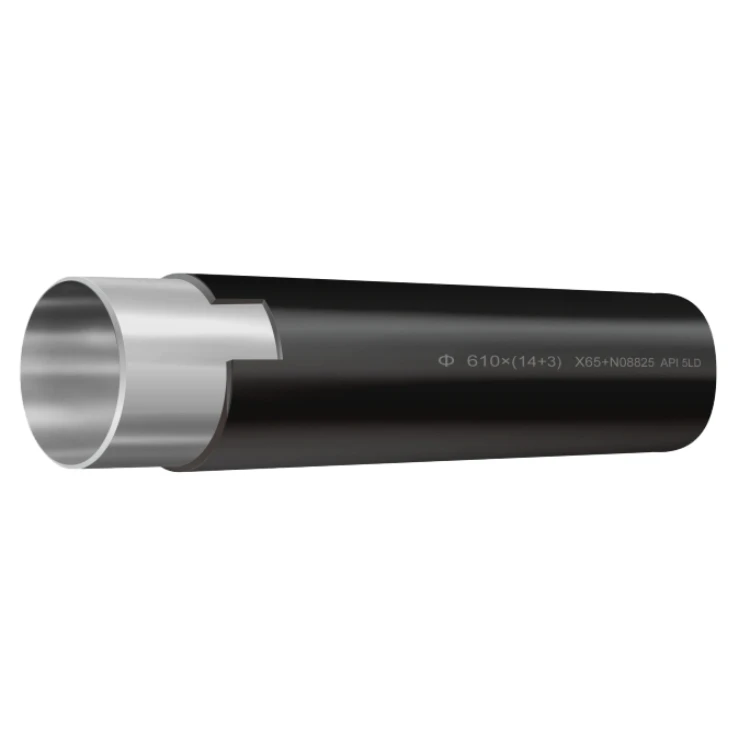
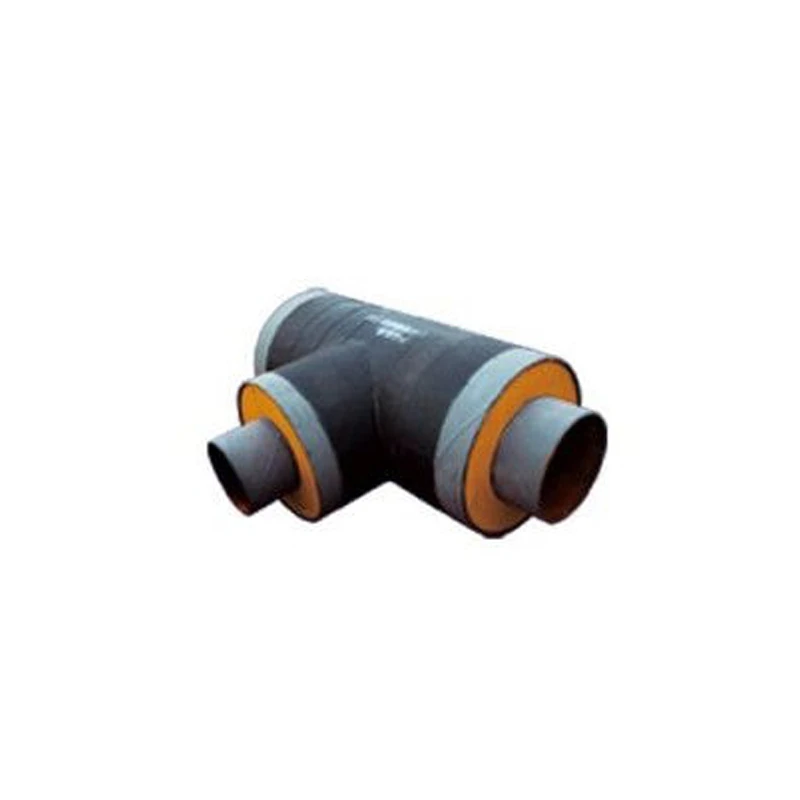
Anti Corrosion And Thermal Insulation Products
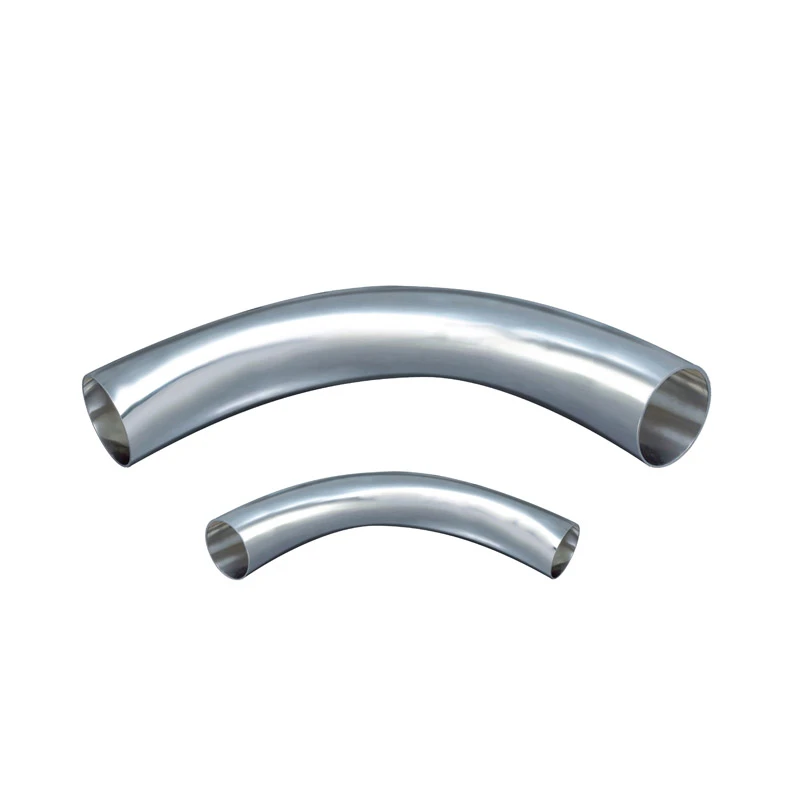
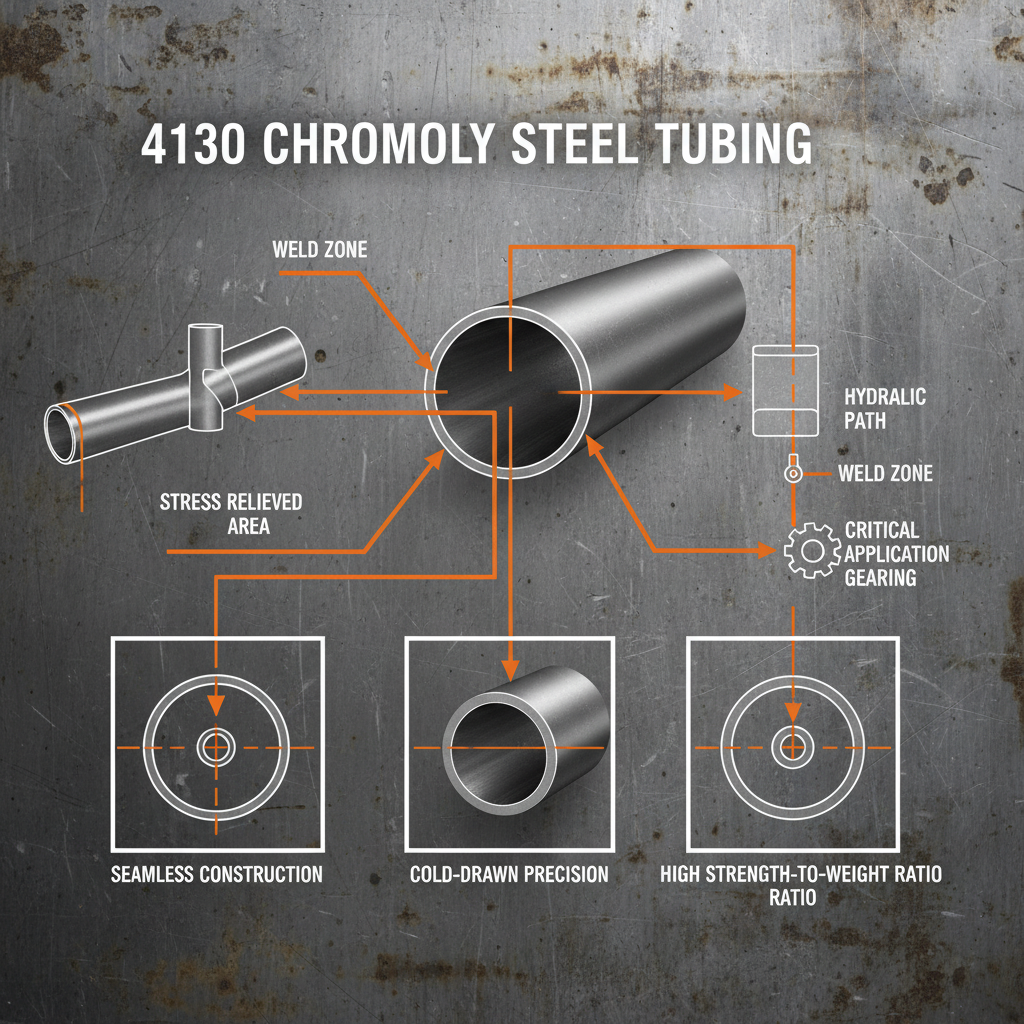
Ultimate Guide to 4130 Tubing Strength Performance and Applications
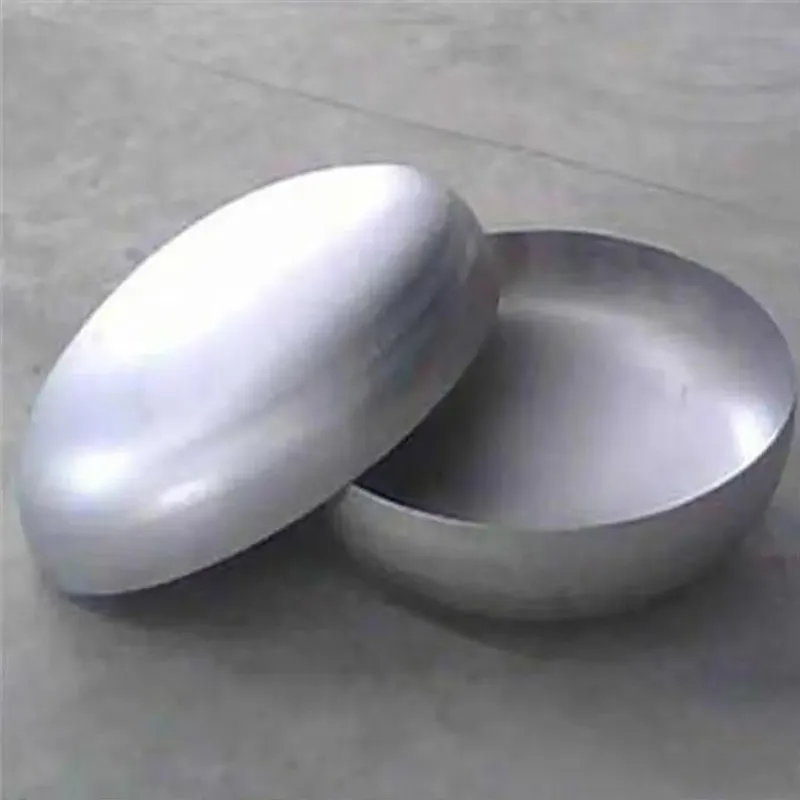
Pipe Cap-Cangzhou Lion Technology Co., Ltd.|Enhancing System Efficiency&Durability
Pipe Cap-Cangzhou Lion Technology Co., Ltd.|Enhancing System Efficiency&Durability
Pipe Cap-Cangzhou Lion Technology Co., Ltd.|Enhancing System Efficiency&Durability
Pipe Cap-Cangzhou Lion Technology Co., Ltd.|Enhancing System Efficiency&Durability
Pipe Cap-Cangzhou Lion Technology Co., Ltd.|Enhancing System Efficiency&Durability