tel
Email
to top

Carbon Steel Reducer – Seamless, ASME Certified, In Stock

Oct 21 2025
share:

Field Notes from the Pipe Rack: Why a Carbon Steel Reducer still rules the line

If you’ve ever walked a construction site at 6 a.m., coffee in hand, you know the unsung hero is the humble reducer. It looks simple. It isn’t. In fact, many customers say the right spec, landing on time, can save a shutdown. Coming from the Economic Development Zone of Mengcun county, Cangzhou city, Hebei province, Lion’s reducer program has been surprisingly consistent in QA turns and packing—more on that in a minute.
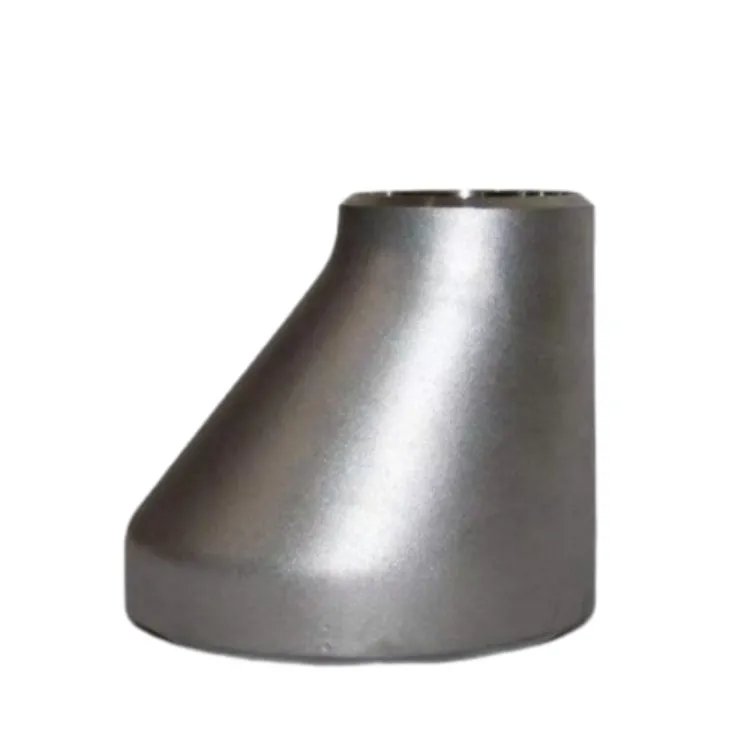
Carbon Steel Reducer – Seamless, ASME Certified, In Stock

What it does (and why it matters)

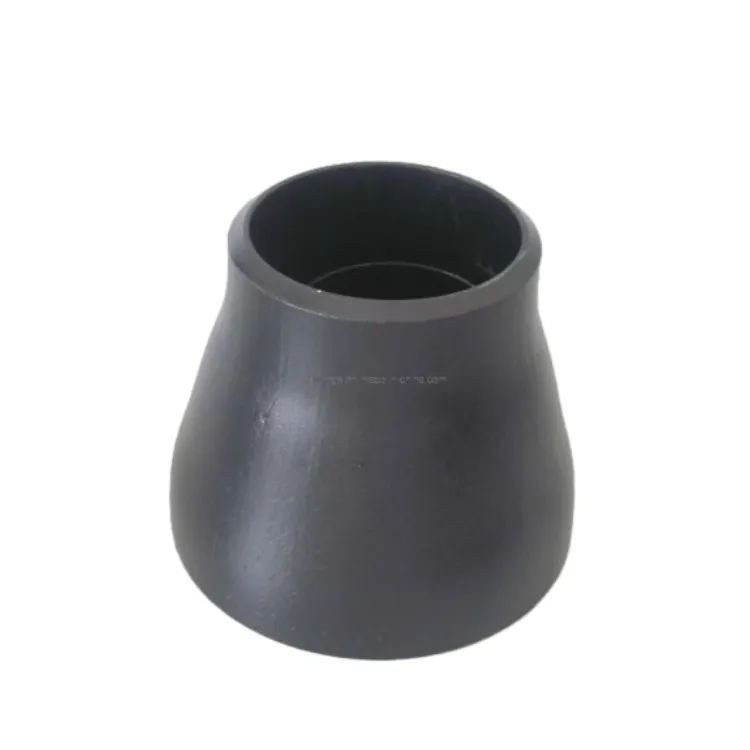
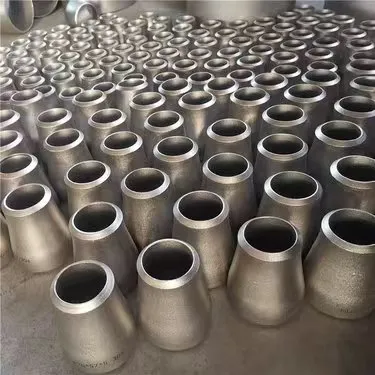
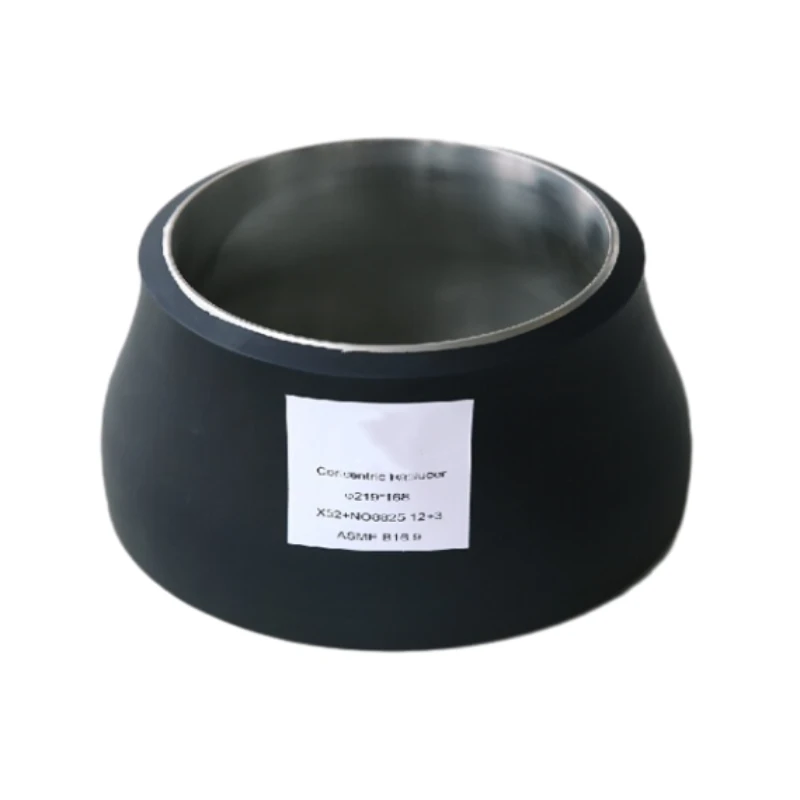
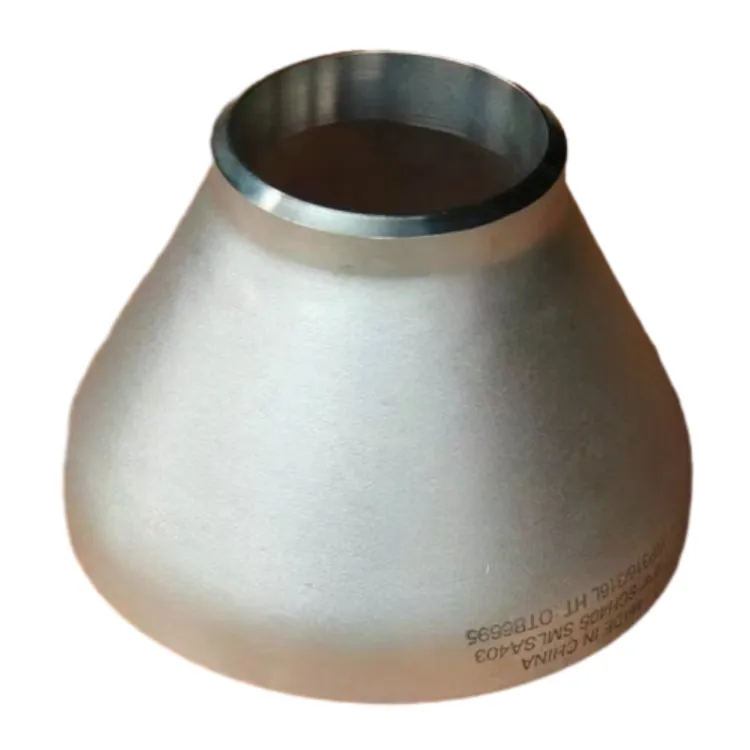
Reducer is a pipe fitting that connects different diameters—concentric for centered flow, eccentric to keep a flat top of pipe (handy for avoiding air pockets on suction lines). A well-made Carbon Steel Reducer preserves velocity profiles, reduces turbulence, and keeps pressure loss reasonable. Not glamorous, but vital.

Quick specs at a glance

Material GradeASTM A234 WPB / WPC; optional low-temp (LTCS) per ASTM A420; alloy on request
TypeConcentric (C) and Eccentric (E)
Size RangeNPS 1/2"–48" (DN15–DN1200), larger by segmenting
Wall ThicknessSch 10–XXS (or per client drawing)
EndsBevel ends per ASME B16.25; square cut on request
StandardsASME B16.9, MSS SP-75 (where applicable), EN 10253
CoatingsBlack varnish, zinc-rich primer, FBE or 3LPE (≈ depends on service)
Temp/ServicePer piping code (e.g., ASME B31.3) and material rating
Carbon Steel Reducer – Seamless, ASME Certified, In Stock

Process flow (how it’s actually made)

  • Materials: plate or seamless pipe, typically ASTM A234 WPB; PMI on incoming lots.
  • Forming: hot forming (press + die) or cold forming for small sizes; controlled deformation to avoid thinning.
  • Heat treatment: normalizing or stress-relief as per spec; records traceable to heat numbers.
  • Machining: bevel ends per B16.25; ID/OD cleanup if required.
  • Testing: dimensional check to ASME B16.9; hydrotest ≈ 1.5× design pressure (project-specific); UT/RT on weld zones when applicable; hardness sampling; surface visual (VT).
  • Documentation: EN 10204 3.1 MTR; coating DFT reports; packing list and traceability map.

In real-world use, a Carbon Steel Reducer gives 20–30 years of service in water, longer with corrosion control; hydrocarbon service varies by medium, temperature, and corrosion allowance.
Carbon Steel Reducer – Seamless, ASME Certified, In Stock

Where it gets installed

Oil & gas gathering, refinery units, chemical skids, power plant balance-of-plant, district heating, firewater lines, and even food-grade utilities (with appropriate materials). For pump suction, eccentric with flat top; for vertical lines, concentric to keep symmetry. Simple rules that save headaches.
What engineers check (and the data)

  • Certifications: ISO 9001 QMS; WPS/PQR for welds; NACE MR0175/ISO 15156 compatibility when sour service is specified.
  • Typical test snapshot: dimensional tolerance within ASME B16.9; hardness 135–187 HBW (WPB, ≈ values); hydrotest hold 30–60 s; DFT 60–100 μm for primer—site touch-up may apply.
  • Common add-ons: PWHT records, impact test at -46 °C for LTCS, third-party inspection (BV, SGS, TUV).
Carbon Steel Reducer – Seamless, ASME Certified, In Stock

Vendor snapshot (real-world buying factors)

Vendor Certs Lead Time Customization Notes
Lion Pipeline (Hebei) ISO 9001; ASME B16.9 compliance ≈ 10–25 days typical Sizes, coatings, LTCS, 3.1 docs Factory control; consistent packing
Trading House A Varies by mill 15–45 days Depends on partner Broader sourcing, less traceability
Local Fabricator B Shop-specific Fast for small lots High for specials Check B16.9 tolerances carefully
Carbon Steel Reducer – Seamless, ASME Certified, In Stock

Customization & current trends

Two steady trends: thicker corrosion allowance for produced water and sour gas, plus coatings that survive laydown and coastal humidity. Clients also ask for barcode traceability and digital MTRs. A Carbon Steel Reducer with 3LPE and -46 °C impact data isn’t exotic anymore—just good practice.

Mini case notes

  • MENA refinery revamp: eccentric reducers on pump suction eliminated cavitation alarms; delivery pulled in by 5 days.
  • District heating loop, EU: concentric reducers with FBE coating; zero field rejects across 400+ pieces (contractor data).

“Dimensional control was tight; bevels arrived clean.” — Procurement lead, EPC (feedback, 2024)

Bottom line

Specify the standard, lock the MTR and test plan, and you’ll get a Carbon Steel Reducer that installs cleanly and stays out of the incident reports. That’s the whole point.
  1. ASME B16.9 – Factory-Made Wrought Buttwelding Fittings
  2. ASTM A234/A234M – Piping Fittings of Wrought Carbon Steel and Alloy Steel
  3. ASME B31.3 – Process Piping
  4. ISO 9001:2015 – Quality Management Systems
  5. NACE MR0175/ISO 15156 – Materials for H2S-containing environments
  • Pipe Cap

    Pipe Cap

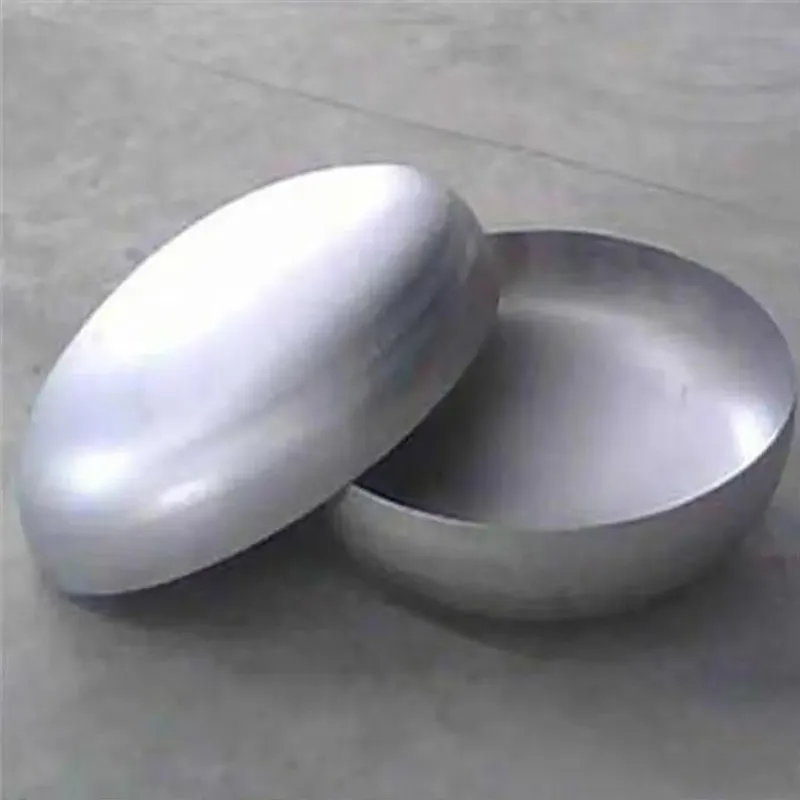
    Pipe caps come in different shapes, including round, square, and oval, and can be designed for both threaded and welded connections. They ensure the integrity of piping systems during transportation, storage, and installation by protecting the pipe ends from dirt, debris, and environmental factors. Durable and easy to install, pipe caps are critical for maintaining system efficiency and safety.
    VIEW ALL
  • Flange

    Flange

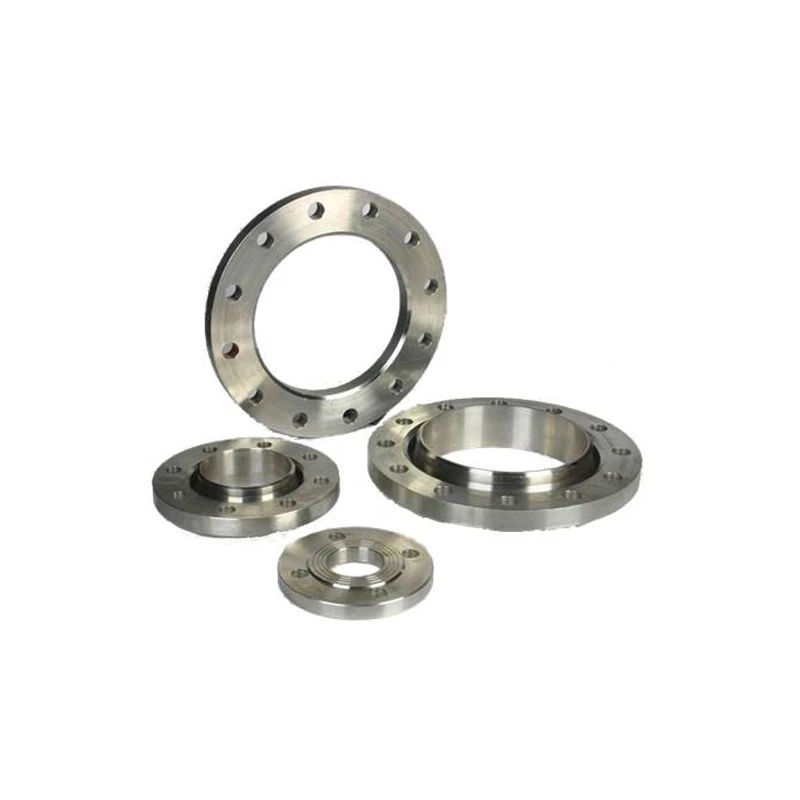
    Flange Product Introduction Flanges are used to connect pipes to pipes or pipes to equipment, ensuring a sealed and stable connection. They prevent fluid leakage and can withstand certain pressures and stresses, ensuring reliable connections. Flange nominal diameters range from DN15-DN2000 and beyond, covering various pipeline connection needs. Flanges primarily adhere to international standards such as ASME B16.5-2020, ASME B16.47-2020, and API 6A-2018.
    VIEW ALL
  • Tee Pipe

    Tee Pipe

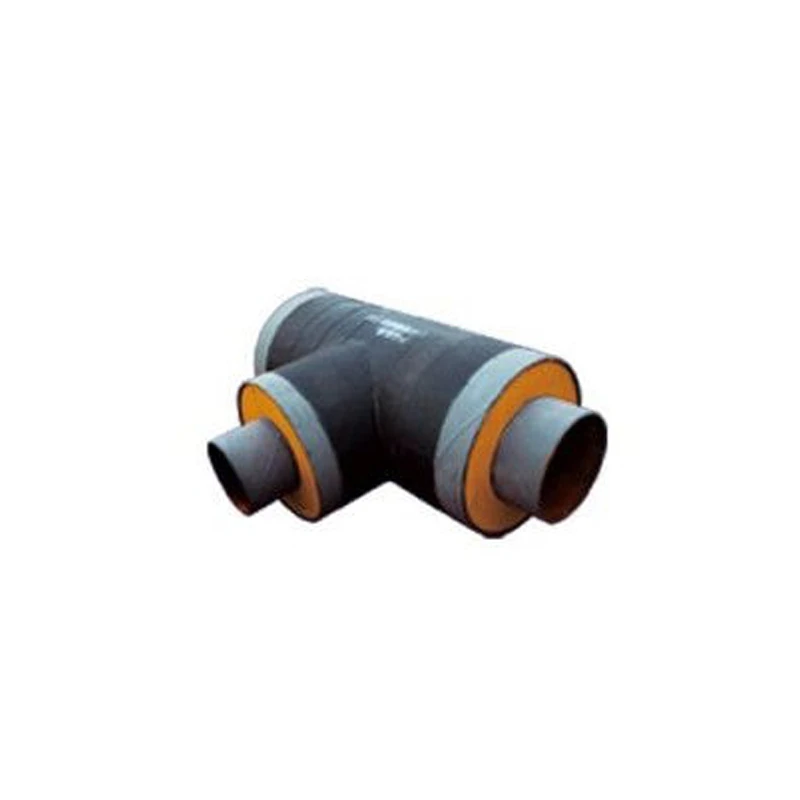
    Tee products are essential pipe fittings used to connect three sections of piping, forming a "T" shape. Available in various materials like carbon steel, stainless steel, and alloy steel, they are designed for use in systems requiring the diversion or junction of fluid flow.
    VIEW ALL
To create value for customers!
Cangzhou Leo Technology Co., Ltd. is located in Mengcun County Economic Development Zone, Cangzhou City, Hebei Province. It is a specialized high-tech enterprise that integrates the research and development, production, and sales of composite pipes and fittings.
News
The company regards product quality as the life of the enterprise, establishes a sound quality management system in accordance with the requirements of industry and national standards, controls all aspects of input and output in the whole process, pays attention to every detail, and ensures that the product delivery pass rate is 100%.
Industrial Guide to High Quality 5 8 Stainless Steel Tubing

Industrial Guide to High Quality 5 8 Stainless Steel Tubing

The Ultimate Guide to 5 8 Stainless Steel Tubing for Industrial Applications In the world of high-pressure fluid systems and structural engineering, precision is everything. 5 8 stainless steel tubing serves as a critical component across various sectors, providing an optimal balance between wall thickness, flow capacity, and mechanical strength. Whether you are dealing with corrosive chemicals in a pharmaceutical plant or high-temperature steam in a power station, choosing the right tubing size and grade is essential for system longevity and safety. This guide explores the technical nuances, material advantages, and practical applications of this specific tubing dimension to help you make an informed procurement decision.
5 8 Square Tubing Applications and Technical Specifications

5 8 Square Tubing Applications and Technical Specifications

The Ultimate Guide to 5 8 Square Tubing: Applications and Specifications When it comes to structural integrity and precision engineering, selecting the right materials is the cornerstone of any successful project. 5 8 square tubing offers a perfect balance of strength, weight, and versatility, making it a preferred choice for architects, automotive engineers, and DIY enthusiasts alike. Whether you are constructing a heavy-duty industrial frame or a sleek piece of modern furniture, understanding the nuances of this specific tubing size is essential for optimizing performance. In this comprehensive guide, we will explore the technical specifications, material options, and various industry applications
Ultimate Guide to 4130 Tubing Strength Performance and Applications
Ultimate Guide to 4130 Tubing Strength Performance and Applications

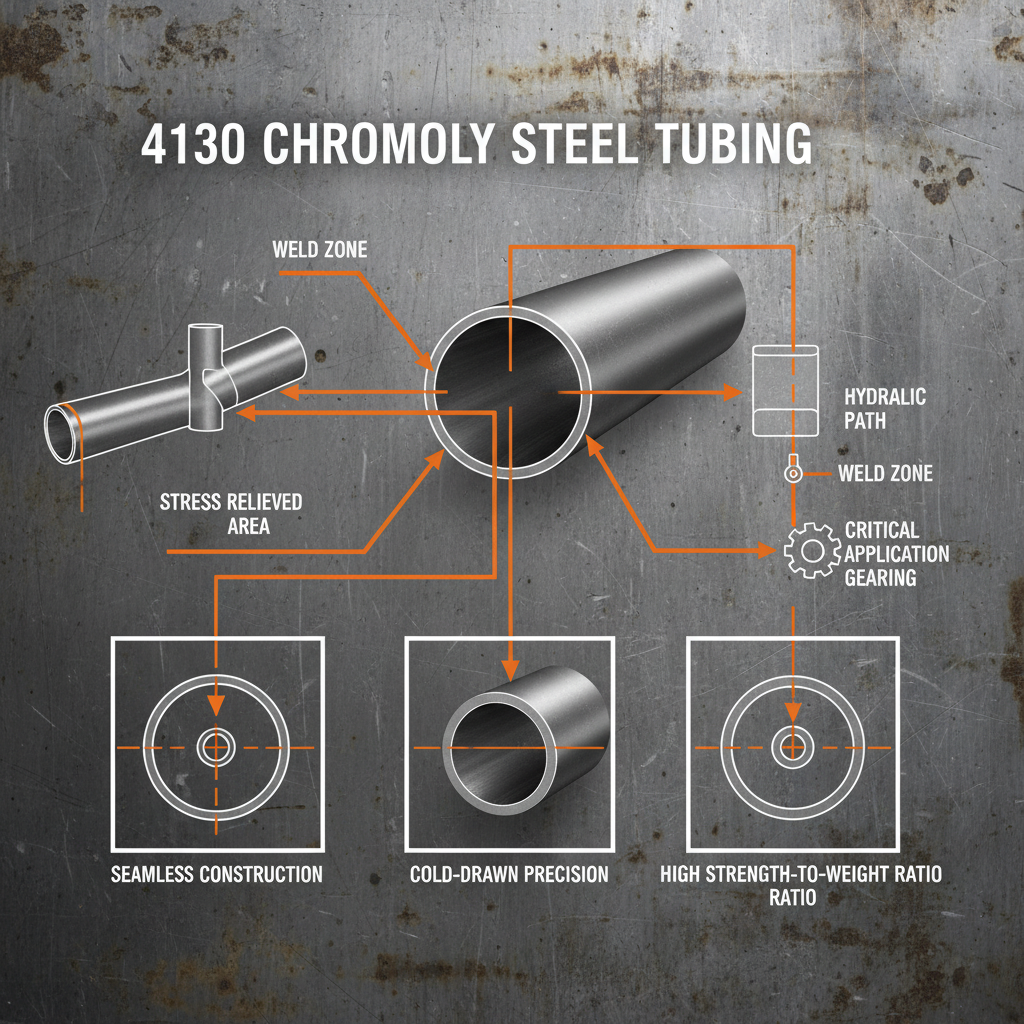
In the world of high-performance engineering, material selection is the foundation of safety and efficiency. 4130 tubing is widely regarded as the gold standard for applications requiring an exceptional strength-to-weight ratio. This chrome-molybdenum alloy steel is engineered to withstand extreme stress while remaining lightweight enough for aerospace and automotive use. Whether you are designing a roll cage, a bicycle frame, or a critical industrial component, understanding the nuances of this material is essential. In this comprehensive guide, we will explore why this specific alloy is preferred by engineers worldwide and how to choose the right specifications for your project.
Properties and Industrial Applications of 4130 steel tubing

Properties and Industrial Applications of 4130 steel tubing

In the world of high-performance engineering, material selection is the foundation of safety and efficiency. 4130 steel tubing is widely recognized as the gold standard for applications requiring an exceptional strength-to-weight ratio. Known for its versatility and reliability, this chromium-molybdenum alloy is the preferred choice for everything from aircraft frames to professional roll cages. Understanding the nuances of this material allows engineers to optimize structural integrity without adding unnecessary bulk. In this comprehensive guide, we will explore why this specific alloy remains a top choice for critical industrial and aerospace components.
Comprehensive Guide to 40mm Steel Tube Applications and Material Selection

Comprehensive Guide to 40mm Steel Tube Applications and Material Selection

40mm steel tube is a versatile and widely used material in various industries, from construction and manufacturing to automotive and beyond. Its strength, durability, and cost-effectiveness make it an ideal choice for numerous applications. This article will delve into the characteristics, applications, benefits, and considerations when working with 40mm steel tube, providing a comprehensive overview for professionals and anyone interested in this essential material.
Comprehensive Guide to 40mm Steel Pipe Applications and Considerations

Comprehensive Guide to 40mm Steel Pipe Applications and Considerations

40mm steel pipe is a widely used material in various industries due to its strength, durability, and cost-effectiveness. From construction and infrastructure projects to industrial applications and fluid transportation, this pipe size offers a versatile solution. This article will delve into the properties, applications, standards, and key considerations when selecting 40mm steel pipe, helping you make informed decisions for your specific needs.
tel email tel top

If you are interested in our products, you can choose to leave your information here, and we will be in touch with you shortly.