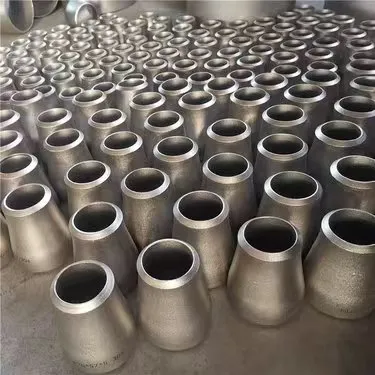
In the intricate world of industrial pipeline systems, the efficient and reliable flow of various media is paramount. A critical component facilitating this efficiency is the carbon steel reducer. These fittings are expertly designed to alter the pipe size, ensuring a smooth transition between different diameters within a piping network. They are indispensable for maintaining appropriate flow rates, managing pressure drops, and adapting to diverse equipment connections across a multitude of industries.
Reducers are primarily categorized into two main reducer types: concentric and eccentric. Concentric reducers feature a cone shape that tapers equally on both sides, keeping the centerlines of the two pipes aligned. They are commonly used in vertical pipe runs or where gravitational drainage is not a concern. Eccentric reducers, conversely, have one side that is flush, allowing the centerline of the smaller pipe to be offset from the larger pipe. This design is crucial for horizontal liquid lines to prevent accumulation of air or gas pockets, or in suction lines to avoid cavitation in pumps.
The demand for robust and cost-effective pipeline components makes carbon steel reducer fittings a cornerstone in sectors ranging from petrochemical processing and power generation to water treatment and general industrial manufacturing. Their ability to withstand significant pressure and temperature variations, coupled with their mechanical strength, positions them as a preferred choice for demanding applications.
The global market for industrial piping components, including reducers, is currently experiencing dynamic shifts driven by several key trends. Automation, digitalization, and an increasing focus on sustainable practices are reshaping how reducer manufacturers operate and innovate. There is a growing demand for reducers with enhanced performance characteristics, such as improved corrosion resistance through specialized coatings or higher pressure ratings for advanced applications. The integration of advanced manufacturing techniques, like additive manufacturing for complex geometries or advanced robotics for precision welding, is also gaining traction, though traditional methods remain prevalent for standard carbon steel products.
Furthermore, the emphasis on total cost of ownership (TCO) rather than just initial reducer price is influencing purchasing decisions. Clients are increasingly seeking reducers that offer extended service life, minimal maintenance requirements, and superior reliability, all contributing to lower operational costs over time. Supply chain optimization and traceability are also critical factors, with end-users demanding transparency regarding material sourcing and manufacturing processes to ensure compliance with international standards and ethical practices. The emergence of smart pipeline systems necessitates reducers that can integrate with monitoring technologies, allowing for real-time performance assessment and predictive maintenance.
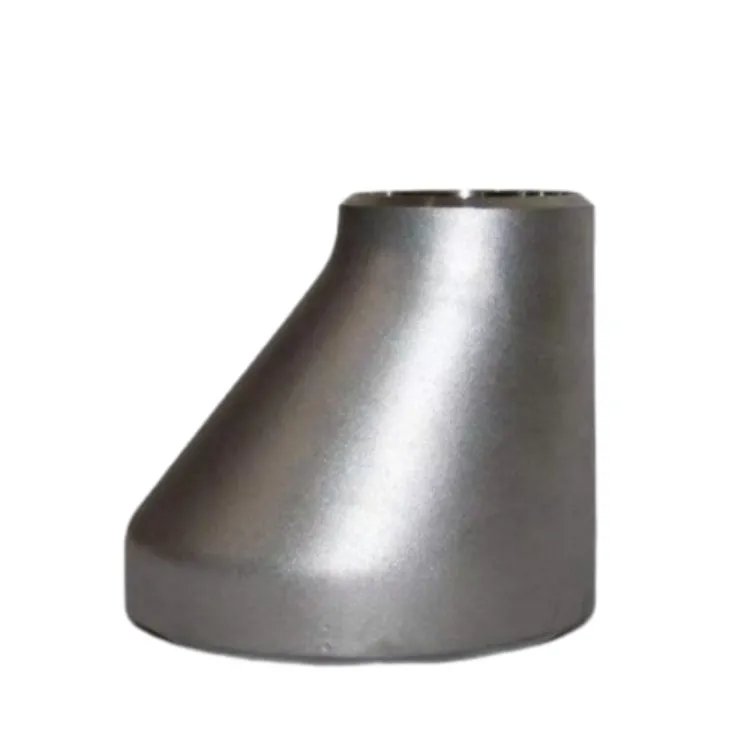
The production of a high-quality carbon steel reducer is a multi-stage process, demanding precision and adherence to stringent quality controls. Below is a typical process flow:
Reducers are typically formed through several methods:
Post-forming, especially for hot-formed or forged reducers, heat treatment (e.g., normalizing, annealing) is crucial. This process refines the grain structure, relieves internal stresses, and optimizes mechanical properties such as toughness and ductility, ensuring the component meets specified hardness and strength requirements.
CNC machining is employed to ensure precise dimensional accuracy. The ends are accurately beveled or threaded according to standards such as ASME B16.9 for butt-weld fittings, or ASME B16.11 for forged fittings, ensuring proper fit-up and weld preparation.
Rigorous testing is applied at various stages:
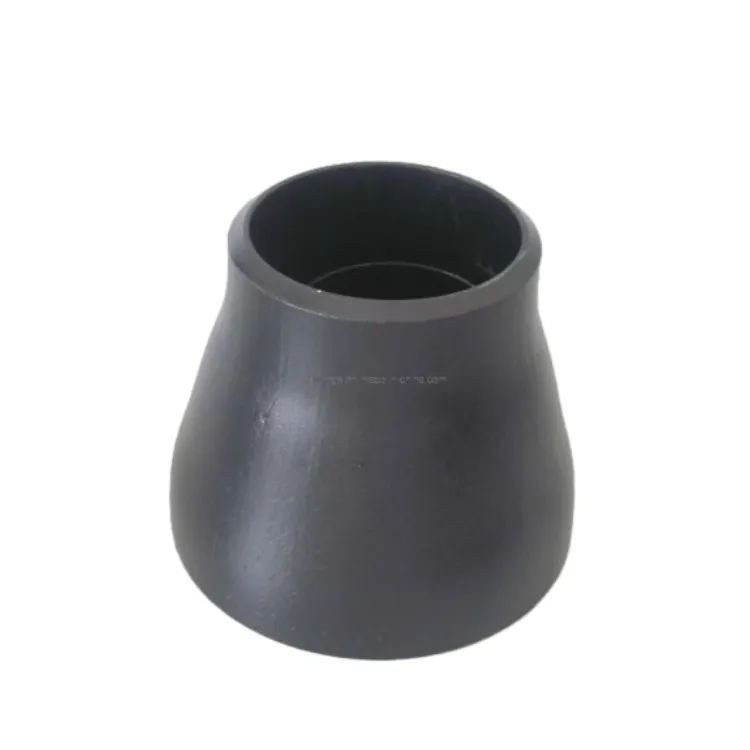
After inspection, reducers are often shot blasted, then coated with an anti-rust primer or transparent varnish to protect against corrosion during storage and transport. Essential information such as material grade, size, schedule, heat number, and manufacturer's logo is then stamped or stenciled on the fitting.
A properly manufactured and installed carbon steel reducer can have a service life of 20-30 years or more, depending on operating conditions, fluid corrosivity, and maintenance regimen. Target industries include: Petrochemical, Oil & Gas, Power Generation, Metallurgy, Water Supply & Drainage, Chemical Processing, Shipbuilding, and HVAC systems.
Advantages in Typical Application Scenarios: In a petrochemical plant, a concentric carbon steel reducer transitioning from a large diameter header to a smaller branch line optimizes flow distribution, contributing to energy saving by minimizing turbulence and pressure loss. In corrosive water treatment plants, specialized coatings or robust wall thicknesses enhance corrosion resistance, ensuring long-term operational integrity and reduced maintenance costs.
Selecting the correct carbon steel reducer requires a thorough understanding of its technical specifications. These parameters dictate suitability for specific applications, pressure ratings, and installation requirements.
| Parameter | Description | Typical Value/Standard |
|---|---|---|
| Material Grade | Carbon steel grades commonly used for their strength and cost-effectiveness. | ASTM A234 WPB, ASTM A105, ASTM A420 WPL6 |
| Type | Design for aligning or offsetting pipe centerlines. | Concentric, Eccentric |
| Size Range (Nominal Pipe Size, NPS) | Diameter of the larger and smaller pipe connections. | 1/2" to 48" (DN15 to DN1200) and larger |
| Wall Thickness (Schedule) | Thickness of the reducer wall, affecting pressure rating. | Sch 10, Sch 20, Sch 40, Sch 80, Sch 160, STD, XS, XXS |
| Manufacturing Standard | Governing dimensions, tolerances, marking, and materials. | ASME B16.9 (Butt-weld), ASME B16.11 (Forged), MSS SP-75 |
| End Connection | Method of connecting to the pipe. | Butt-weld, Socket Weld, Threaded (NPT, BSP) |
| Working Pressure & Temperature | Maximum allowable pressure and temperature for operation. | Dependent on size, schedule, material, and code (e.g., ASME B31.1, B31.3) |
| Surface Treatment | Coating for corrosion protection. | Black painting, Anti-rust oil, Galvanizing, Epoxy coating |
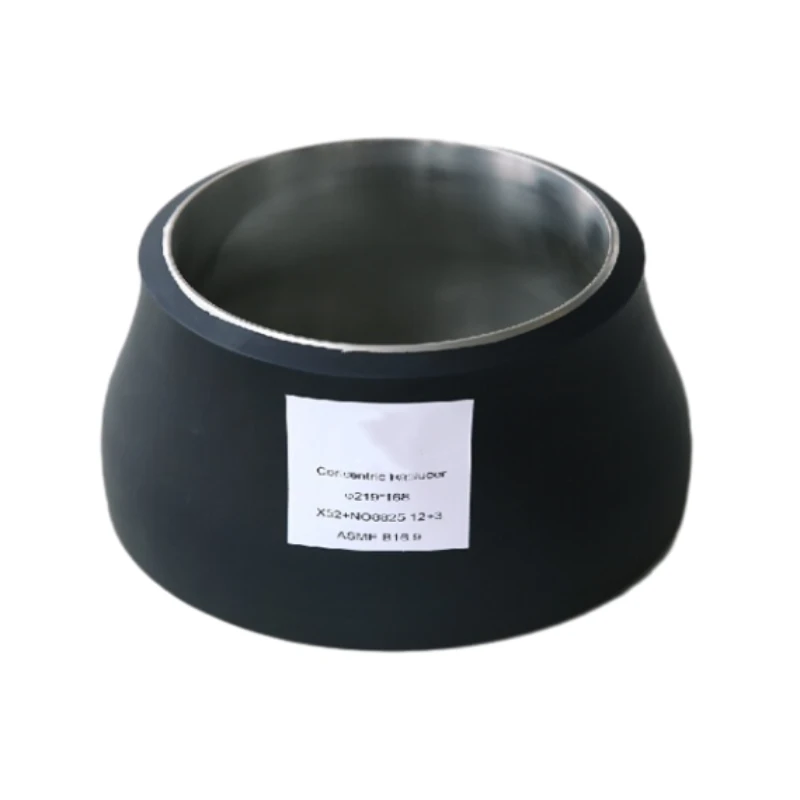
The versatility of carbon steel reducer fittings makes them indispensable across a broad spectrum of industrial applications. Their primary function is to optimize fluid dynamics, ensuring smooth transitions and efficient operation of piping systems.
Each application demands specific design considerations, material grades, and testing protocols to guarantee performance and compliance with safety regulations.
Carbon steel reducers offer a compelling array of technical advantages that underpin their widespread adoption in industrial settings:
Choosing the right reducer manufacturer is critical for project success, impacting everything from product quality and delivery timelines to long-term operational costs. A comprehensive vendor comparison should go beyond mere reducer price.
| Factor | Description | Importance |
|---|---|---|
| Certifications & Compliance | Adherence to international standards (ISO 9001, PED, API, CE). | High - Ensures product quality, safety, and regulatory acceptance. |
| Manufacturing Capabilities | Capacity for various sizes, schedules, and custom solutions; advanced machinery. | High - Affects lead time, flexibility, and product range. |
| Quality Control & Testing | In-house NDT, material testing, and rigorous inspection protocols. | Critical - Directly impacts product reliability and safety. |
| Experience & Reputation | Years in business, client testimonials, track record in similar projects. | High - Indicates reliability, expertise, and customer satisfaction. |
| Technical Support & Customization | Ability to provide engineering advice and tailored solutions. | Medium to High - Essential for complex projects or unique requirements. |
| Logistics & Lead Time | Efficient supply chain management, on-time delivery. | High - Directly impacts project schedules and costs. |
| After-Sales Service & Warranty | Support for installation, troubleshooting, and warranty claims. | Medium - Important for long-term partnership and risk mitigation. |
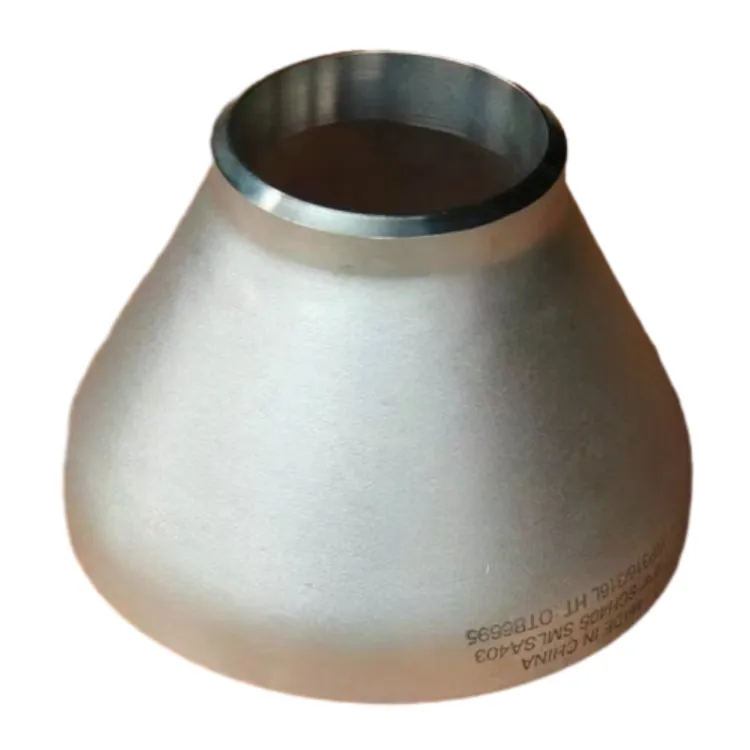
A reliable reducer manufacturer should demonstrate transparency, technical competence, and a strong commitment to quality, backed by a robust quality management system like ISO 9001. Partnerships with reputable raw material suppliers and an established track record with major industrial clients serve as strong indicators of authoritativeness and trustworthiness.
While standard carbon steel reducer fittings meet most industrial demands, many complex projects necessitate customized solutions. A proficient reducer manufacturer excels in providing bespoke designs to address specific challenges such as unusual pipe diameters, extremely high-pressure environments, or unique spatial constraints.
Customization can involve:
Partnering with a manufacturer offering in-house engineering expertise and flexible production capabilities ensures that even the most challenging project requirements for carbon steel reducer fittings are met with precision and compliance.
Real-world application demonstrates the critical role and reliable performance of carbon steel reducer fittings:
Client: Major regional utility provider.
Challenge: Connecting large-diameter trunk lines (DN1000) to smaller distribution networks (DN600) across vast desert terrain, requiring robust fittings capable of withstanding high pressures and extreme temperatures, while minimizing pressure loss to achieve significant energy saving in pumping costs.
Solution: Our company supplied 500+ eccentric carbon steel reducers (ASTM A234 WPB, Sch 40) with specialized external anti-corrosion coatings for buried applications. The eccentric design ensured proper drainage and prevented air pockets in the horizontal lines, critical for maintaining water quality and flow stability. Custom hydrostatic testing was performed at 1.5 times the design pressure to guarantee integrity under severe operating conditions.
Outcome: The reducers performed flawlessly, integrating seamlessly into the pipeline network. The project reported sustained flow rates and reduced pumping energy consumption due to optimized flow dynamics through precisely manufactured fittings, leading to significant operational cost savings over the initial five years of operation.
Client: International energy corporation.
Challenge: Upgrading a crude oil distillation unit requiring high-pressure piping connections between processing vessels (NPS 24 to NPS 16) where spatial constraints were severe, and media involved various hydrocarbons at elevated temperatures and pressures. Corrosion resistance was also a key factor.
Solution: We provided custom-fabricated concentric carbon steel reducers (ASTM A234 WPB, Sch 80) with specific length adjustments and tighter dimensional tolerances to fit the confined space. All reducers underwent 100% radiographic testing of critical welds and positive material identification (PMI) to ensure material integrity and compliance with ASME B31.3 process piping codes. An internal epoxy coating was applied for enhanced corrosion resistance against the hydrocarbon mixtures.
Outcome: The custom reducers allowed for precise fit-up and installation, mitigating complex spatial challenges. The enhanced corrosion resistance ensured long-term durability in the aggressive petrochemical environment, leading to increased uptime and reduced maintenance interventions for the refinery unit, exceeding customer expectations for reliability and long-term performance.
Our standard lead times for common carbon steel reducer sizes and schedules typically range from 2 to 4 weeks, depending on order volume and current production schedules. For urgent requirements or large-scale project orders, we offer expedited manufacturing and delivery options. We maintain a substantial inventory of raw materials and popular finished goods to facilitate quick turnarounds. All orders are meticulously packaged to prevent damage during transit and are delivered globally via established logistics partners, ensuring timely and secure arrival at your designated site. Project managers receive regular updates on order status and estimated delivery dates.
We stand behind the quality of our products. All our carbon steel reducer fittings come with a standard 12-month warranty from the date of installation or 18 months from the date of shipment, whichever comes first. This warranty covers manufacturing defects and material failures under normal operating conditions and proper installation. Our commitment ensures that products meet or exceed applicable industry standards and specifications. Detailed warranty terms and conditions are available upon request.
Our dedicated customer support team is available to assist with technical queries, order tracking, and after-sales support. We provide comprehensive technical documentation, including material test reports (MTRs), certificates of conformity, and installation guidelines. For any issues or concerns, our responsive support channels (phone, email, online portal) ensure timely resolution and expert assistance, reinforcing our commitment to client satisfaction and long-term partnerships.
The carbon steel reducer remains a foundational component in industrial piping, critical for the safe, efficient, and reliable transport of fluids across a multitude of sectors. Its robustness, cost-effectiveness, and adaptability, supported by rigorous manufacturing processes and adherence to global standards, underscore its enduring value. As industries evolve, the demand for high-performance, quality-assured reducers, backed by comprehensive technical support and flexible customization options, will only grow. Partnering with a reputable manufacturer that prioritizes standards ensures not only product excellence but also a secure and successful project execution.
Anti Corrosion And Thermal Insulation Products
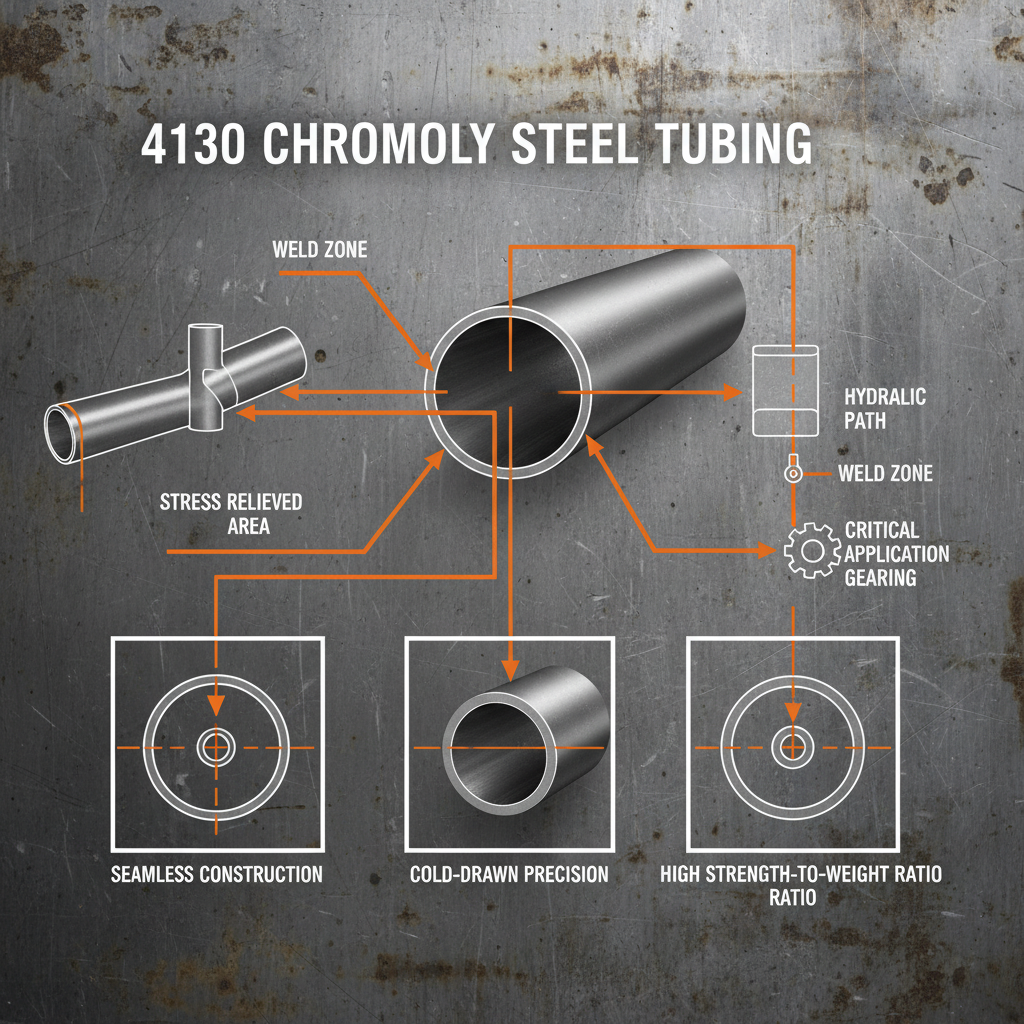
Ultimate Guide to 4130 Tubing Strength Performance and Applications
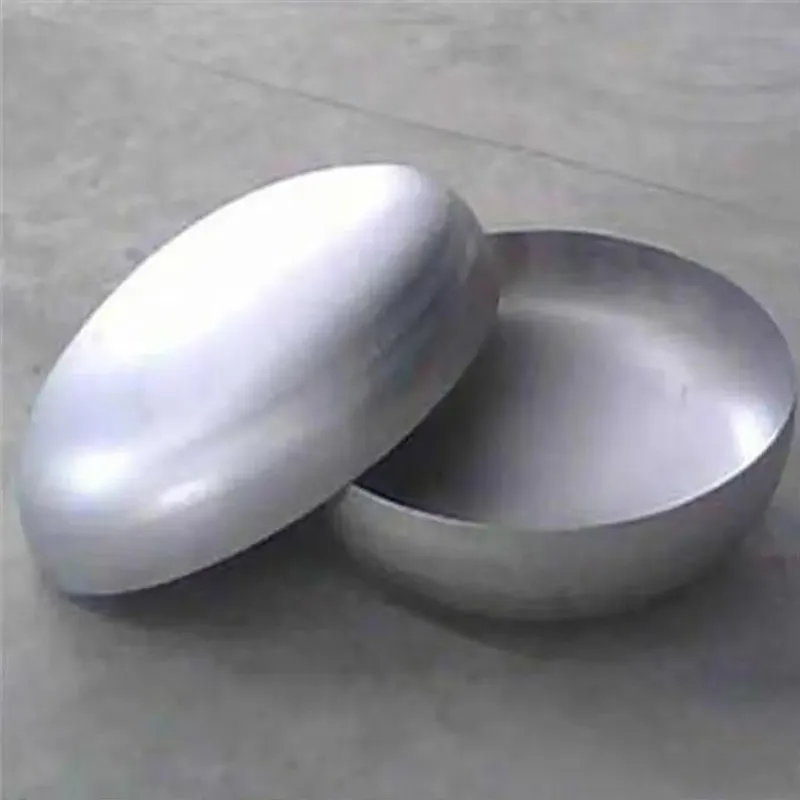
Pipe Cap-Cangzhou Lion Technology Co., Ltd.|Enhancing System Efficiency&Durability
Pipe Cap-Cangzhou Lion Technology Co., Ltd.|Enhancing System Efficiency&Durability
Pipe Cap-Cangzhou Lion Technology Co., Ltd.|Enhancing System Efficiency&Durability
Pipe Cap-Cangzhou Lion Technology Co., Ltd.|Enhancing System Efficiency&Durability
Pipe Cap-Cangzhou Lion Technology Co., Ltd.|Enhancing System Efficiency&Durability
In the intricate world of industrial pipeline systems, the efficient and reliable flow of various media is paramount. A critical component facilitating this efficiency is the carbon steel reducer. These fittings are expertly designed to alter the pipe size, ensuring a smooth transition between different diameters within a piping network. They are indispensable for maintaining appropriate flow rates, managing pressure drops, and adapting to diverse equipment connections across a multitude of industries.
Reducers are primarily categorized into two main reducer types: concentric and eccentric. Concentric reducers feature a cone shape that tapers equally on both sides, keeping the centerlines of the two pipes aligned. They are commonly used in vertical pipe runs or where gravitational drainage is not a concern. Eccentric reducers, conversely, have one side that is flush, allowing the centerline of the smaller pipe to be offset from the larger pipe. This design is crucial for horizontal liquid lines to prevent accumulation of air or gas pockets, or in suction lines to avoid cavitation in pumps.
The demand for robust and cost-effective pipeline components makes carbon steel reducer fittings a cornerstone in sectors ranging from petrochemical processing and power generation to water treatment and general industrial manufacturing. Their ability to withstand significant pressure and temperature variations, coupled with their mechanical strength, positions them as a preferred choice for demanding applications.
The global market for industrial piping components, including reducers, is currently experiencing dynamic shifts driven by several key trends. Automation, digitalization, and an increasing focus on sustainable practices are reshaping how reducer manufacturers operate and innovate. There is a growing demand for reducers with enhanced performance characteristics, such as improved corrosion resistance through specialized coatings or higher pressure ratings for advanced applications. The integration of advanced manufacturing techniques, like additive manufacturing for complex geometries or advanced robotics for precision welding, is also gaining traction, though traditional methods remain prevalent for standard carbon steel products.
Furthermore, the emphasis on total cost of ownership (TCO) rather than just initial reducer price is influencing purchasing decisions. Clients are increasingly seeking reducers that offer extended service life, minimal maintenance requirements, and superior reliability, all contributing to lower operational costs over time. Supply chain optimization and traceability are also critical factors, with end-users demanding transparency regarding material sourcing and manufacturing processes to ensure compliance with international standards and ethical practices. The emergence of smart pipeline systems necessitates reducers that can integrate with monitoring technologies, allowing for real-time performance assessment and predictive maintenance.
The production of a high-quality carbon steel reducer is a multi-stage process, demanding precision and adherence to stringent quality controls. Below is a typical process flow:
Reducers are typically formed through several methods:
Post-forming, especially for hot-formed or forged reducers, heat treatment (e.g., normalizing, annealing) is crucial. This process refines the grain structure, relieves internal stresses, and optimizes mechanical properties such as toughness and ductility, ensuring the component meets specified hardness and strength requirements.
CNC machining is employed to ensure precise dimensional accuracy. The ends are accurately beveled or threaded according to standards such as ASME B16.9 for butt-weld fittings, or ASME B16.11 for forged fittings, ensuring proper fit-up and weld preparation.
Rigorous testing is applied at various stages:
After inspection, reducers are often shot blasted, then coated with an anti-rust primer or transparent varnish to protect against corrosion during storage and transport. Essential information such as material grade, size, schedule, heat number, and manufacturer's logo is then stamped or stenciled on the fitting.
A properly manufactured and installed carbon steel reducer can have a service life of 20-30 years or more, depending on operating conditions, fluid corrosivity, and maintenance regimen. Target industries include: Petrochemical, Oil & Gas, Power Generation, Metallurgy, Water Supply & Drainage, Chemical Processing, Shipbuilding, and HVAC systems.
Advantages in Typical Application Scenarios: In a petrochemical plant, a concentric carbon steel reducer transitioning from a large diameter header to a smaller branch line optimizes flow distribution, contributing to energy saving by minimizing turbulence and pressure loss. In corrosive water treatment plants, specialized coatings or robust wall thicknesses enhance corrosion resistance, ensuring long-term operational integrity and reduced maintenance costs.
Selecting the correct carbon steel reducer requires a thorough understanding of its technical specifications. These parameters dictate suitability for specific applications, pressure ratings, and installation requirements.
| Parameter | Description | Typical Value/Standard |
|---|---|---|
| Material Grade | Carbon steel grades commonly used for their strength and cost-effectiveness. | ASTM A234 WPB, ASTM A105, ASTM A420 WPL6 |
| Type | Design for aligning or offsetting pipe centerlines. | Concentric, Eccentric |
| Size Range (Nominal Pipe Size, NPS) | Diameter of the larger and smaller pipe connections. | 1/2" to 48" (DN15 to DN1200) and larger |
| Wall Thickness (Schedule) | Thickness of the reducer wall, affecting pressure rating. | Sch 10, Sch 20, Sch 40, Sch 80, Sch 160, STD, XS, XXS |
| Manufacturing Standard | Governing dimensions, tolerances, marking, and materials. | ASME B16.9 (Butt-weld), ASME B16.11 (Forged), MSS SP-75 |
| End Connection | Method of connecting to the pipe. | Butt-weld, Socket Weld, Threaded (NPT, BSP) |
| Working Pressure & Temperature | Maximum allowable pressure and temperature for operation. | Dependent on size, schedule, material, and code (e.g., ASME B31.1, B31.3) |
| Surface Treatment | Coating for corrosion protection. | Black painting, Anti-rust oil, Galvanizing, Epoxy coating |
The versatility of carbon steel reducer fittings makes them indispensable across a broad spectrum of industrial applications. Their primary function is to optimize fluid dynamics, ensuring smooth transitions and efficient operation of piping systems.
Each application demands specific design considerations, material grades, and testing protocols to guarantee performance and compliance with safety regulations.
Carbon steel reducers offer a compelling array of technical advantages that underpin their widespread adoption in industrial settings:
Choosing the right reducer manufacturer is critical for project success, impacting everything from product quality and delivery timelines to long-term operational costs. A comprehensive vendor comparison should go beyond mere reducer price.
| Factor | Description | Importance |
|---|---|---|
| Certifications & Compliance | Adherence to international standards (ISO 9001, PED, API, CE). | High - Ensures product quality, safety, and regulatory acceptance. |
| Manufacturing Capabilities | Capacity for various sizes, schedules, and custom solutions; advanced machinery. | High - Affects lead time, flexibility, and product range. |
| Quality Control & Testing | In-house NDT, material testing, and rigorous inspection protocols. | Critical - Directly impacts product reliability and safety. |
| Experience & Reputation | Years in business, client testimonials, track record in similar projects. | High - Indicates reliability, expertise, and customer satisfaction. |
| Technical Support & Customization | Ability to provide engineering advice and tailored solutions. | Medium to High - Essential for complex projects or unique requirements. |
| Logistics & Lead Time | Efficient supply chain management, on-time delivery. | High - Directly impacts project schedules and costs. |
| After-Sales Service & Warranty | Support for installation, troubleshooting, and warranty claims. | Medium - Important for long-term partnership and risk mitigation. |
A reliable reducer manufacturer should demonstrate transparency, technical competence, and a strong commitment to quality, backed by a robust quality management system like ISO 9001. Partnerships with reputable raw material suppliers and an established track record with major industrial clients serve as strong indicators of authoritativeness and trustworthiness.
While standard carbon steel reducer fittings meet most industrial demands, many complex projects necessitate customized solutions. A proficient reducer manufacturer excels in providing bespoke designs to address specific challenges such as unusual pipe diameters, extremely high-pressure environments, or unique spatial constraints.
Customization can involve:
Partnering with a manufacturer offering in-house engineering expertise and flexible production capabilities ensures that even the most challenging project requirements for carbon steel reducer fittings are met with precision and compliance.
Real-world application demonstrates the critical role and reliable performance of carbon steel reducer fittings:
Client: Major regional utility provider.
Challenge: Connecting large-diameter trunk lines (DN1000) to smaller distribution networks (DN600) across vast desert terrain, requiring robust fittings capable of withstanding high pressures and extreme temperatures, while minimizing pressure loss to achieve significant energy saving in pumping costs.
Solution: Our company supplied 500+ eccentric carbon steel reducers (ASTM A234 WPB, Sch 40) with specialized external anti-corrosion coatings for buried applications. The eccentric design ensured proper drainage and prevented air pockets in the horizontal lines, critical for maintaining water quality and flow stability. Custom hydrostatic testing was performed at 1.5 times the design pressure to guarantee integrity under severe operating conditions.
Outcome: The reducers performed flawlessly, integrating seamlessly into the pipeline network. The project reported sustained flow rates and reduced pumping energy consumption due to optimized flow dynamics through precisely manufactured fittings, leading to significant operational cost savings over the initial five years of operation.
Client: International energy corporation.
Challenge: Upgrading a crude oil distillation unit requiring high-pressure piping connections between processing vessels (NPS 24 to NPS 16) where spatial constraints were severe, and media involved various hydrocarbons at elevated temperatures and pressures. Corrosion resistance was also a key factor.
Solution: We provided custom-fabricated concentric carbon steel reducers (ASTM A234 WPB, Sch 80) with specific length adjustments and tighter dimensional tolerances to fit the confined space. All reducers underwent 100% radiographic testing of critical welds and positive material identification (PMI) to ensure material integrity and compliance with ASME B31.3 process piping codes. An internal epoxy coating was applied for enhanced corrosion resistance against the hydrocarbon mixtures.
Outcome: The custom reducers allowed for precise fit-up and installation, mitigating complex spatial challenges. The enhanced corrosion resistance ensured long-term durability in the aggressive petrochemical environment, leading to increased uptime and reduced maintenance interventions for the refinery unit, exceeding customer expectations for reliability and long-term performance.
Our standard lead times for common carbon steel reducer sizes and schedules typically range from 2 to 4 weeks, depending on order volume and current production schedules. For urgent requirements or large-scale project orders, we offer expedited manufacturing and delivery options. We maintain a substantial inventory of raw materials and popular finished goods to facilitate quick turnarounds. All orders are meticulously packaged to prevent damage during transit and are delivered globally via established logistics partners, ensuring timely and secure arrival at your designated site. Project managers receive regular updates on order status and estimated delivery dates.
We stand behind the quality of our products. All our carbon steel reducer fittings come with a standard 12-month warranty from the date of installation or 18 months from the date of shipment, whichever comes first. This warranty covers manufacturing defects and material failures under normal operating conditions and proper installation. Our commitment ensures that products meet or exceed applicable industry standards and specifications. Detailed warranty terms and conditions are available upon request.
Our dedicated customer support team is available to assist with technical queries, order tracking, and after-sales support. We provide comprehensive technical documentation, including material test reports (MTRs), certificates of conformity, and installation guidelines. For any issues or concerns, our responsive support channels (phone, email, online portal) ensure timely resolution and expert assistance, reinforcing our commitment to client satisfaction and long-term partnerships.
The carbon steel reducer remains a foundational component in industrial piping, critical for the safe, efficient, and reliable transport of fluids across a multitude of sectors. Its robustness, cost-effectiveness, and adaptability, supported by rigorous manufacturing processes and adherence to global standards, underscore its enduring value. As industries evolve, the demand for high-performance, quality-assured reducers, backed by comprehensive technical support and flexible customization options, will only grow. Partnering with a reputable manufacturer that prioritizes standards ensures not only product excellence but also a secure and successful project execution.
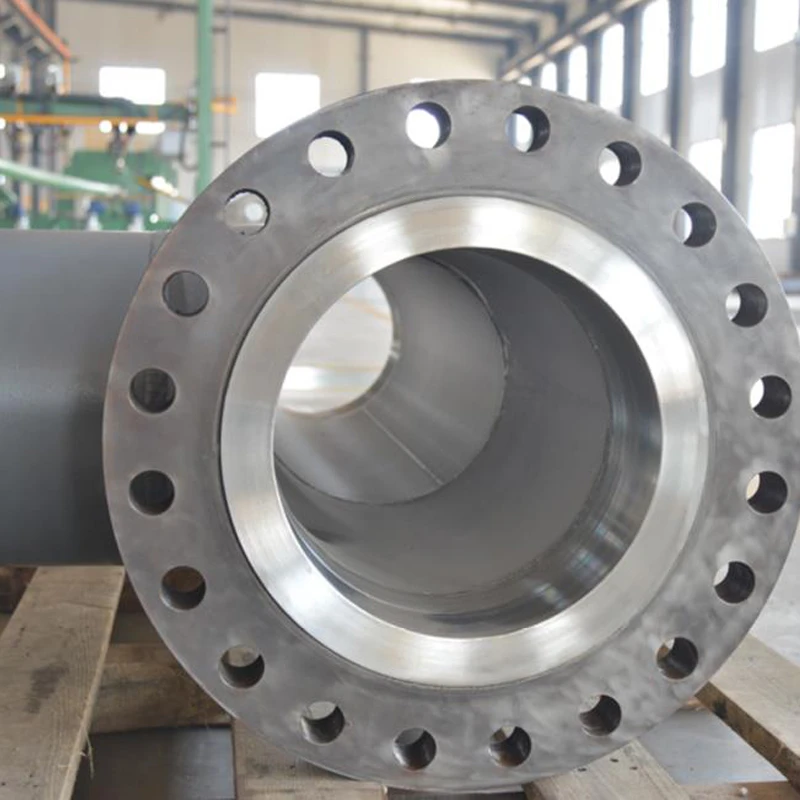
Factory Prefabricated Products
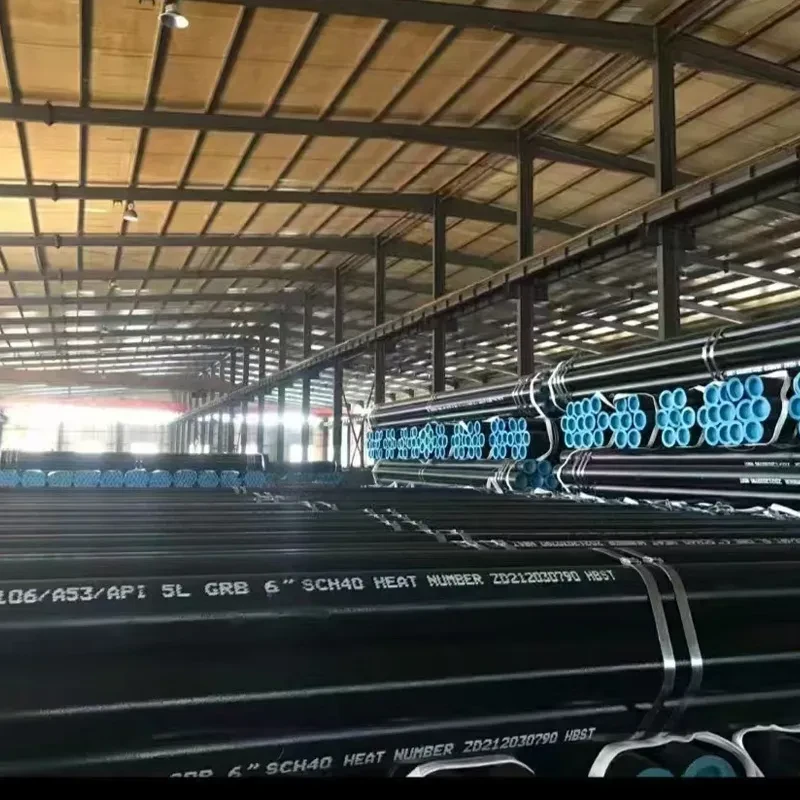
Anti Corrosion And Thermal Insulation Products
Ultimate Guide to 4130 Tubing Strength Performance and Applications
Pipe Cap-Cangzhou Lion Technology Co., Ltd.|Enhancing System Efficiency&Durability
Pipe Cap-Cangzhou Lion Technology Co., Ltd.|Enhancing System Efficiency&Durability
Pipe Cap-Cangzhou Lion Technology Co., Ltd.|Enhancing System Efficiency&Durability
Pipe Cap-Cangzhou Lion Technology Co., Ltd.|Enhancing System Efficiency&Durability
Pipe Cap-Cangzhou Lion Technology Co., Ltd.|Enhancing System Efficiency&Durability