In the vast world of construction materials and components, bent square tubing might sound somewhat niche — but its global footprint is surprisingly significant. At its core, bent square tubing is essentially a hollow, square-profile metal tube that has been precisely curved or angled to fit particular design needs. Whether it’s part of the skeleton for a bridge or the frame of a disaster relief shelter, the benefits of mastering its use and fabrication ripple far beyond the factory floor.
With urbanization sky-rocketing—UN data estimates that 68% of the world’s population will live in urban areas by 2050—and infrastructure constantly evolving, materials like bent square tubing are quietly shaping the future. Its adaptability and strength make it invaluable not just in high-tech industrial projects but also in humanitarian efforts where speed, durability, and cost-efficiency matter deeply.
Mini takeaway: Bent square tubing is not just about metal tubes with bends. It's a versatile structural element increasingly vital for modern infrastructure and emergency solutions worldwide.
Globally, infrastructure investment is expected to top $94 trillion by 2040 (source: McKinsey Global Institute), emphasizing the need for efficient, reliable building components. Bent square tubing serves as a key building block, especially where precision and load-bearing qualities are crucial. ISO standards, for example, ensure that tubing materials meet strength and corrosion resistance benchmarks, promoting safety across industries.
Yet challenges remain. Urban construction requires components that can easily adapt to varying architectural demands without driving up costs. This is where bent square tubing excels: by allowing pre-engineered bends, it cuts down on on-site labor and material waste, speeding up projects worldwide, from Asia’s booming cities to Africa’s emerging infrastructure corridors.
Mini takeaway: Bent square tubing helps tackle the headaches of modern construction—speed, cost, and adaptability—on a truly global scale.
Simply put, bent square tubing is a metal tube with a uniform square cross-section that has been bent to create specific angles or curves. Usually made of steel, aluminum, or stainless steel, these tubes combine structural rigidity with geometric flexibility. The bending processes often use rotary draw bending or mandrel bending to maintain tube integrity and reduce deformation.
In terms of industry connection, bent square tubing powers everything from furniture design to infrastructure reinforcements and modular housing frames. It’s so fundamental that even humanitarian organizations turn to it when building fast-deploy shelters or field hospitals — places where durability and rapid assembly are non-negotiable.
One of the biggest draws is how well bent square tubing maintains its load-bearing qualities even after bending. In contrast to flat steel plates that can weaken when curved, these tubes are engineered to retain nearly their full strength, assuming high-quality materials and bending machinery are used. Architects and engineers love that they can trust the performance, whether for a high-rise staircase support or a bridge railing.
The bending process today is incredibly precise thanks to CNC-controlled machines. This means tubing can be customized on-demand for specific projects — slight angles, intricate curves, or compound bends without sacrificing quality. You can see this precision’s payoff in specialty industrial equipment or bespoke furniture design.
While raw metals cost money, the real savings come from smarter fabrication techniques. By pre-bending tubes to required shapes, factories can reduce the number of cut-and-weld steps, which saves on labor, time, and even reduces material wastage. Given how construction budgets are often tight, this efficiency is appreciated across sectors.
Depending on the material choice—galvanized steel, stainless steel, or coated aluminum—the tubes can stand up to harsh environments, including marine or chemical industries. This attribute significantly extends lifespan while requiring minimal maintenance.
Compared to solid steel bars, square tubing offers a favorable strength-to-weight ratio. This is crucial in applications where reducing overall project weight eases transport logistics or meets stringent load limitations — think aerospace manufacturing or mobile emergency shelters.
Since metals like steel and aluminum are widely recyclable, using bent square tubing fits well with circular economy principles. New orders increasingly request materials with recycled content or lower energy footprints during manufacturing—responses that the market is adapting to at pace.
Mini takeaway: Bent square tubing isn’t just a metal pipe—it’s a finely engineered component with strength, precision, and sustainability all rolled into one.
The usefulness of bent square tubing shows through across many fields:
For example, after floods or earthquakes, NGOs in Southeast Asia have employed prefabricated bent square tubing frames to erect shelters within days, offering displaced families both dignity and safety. Oddly enough, while they're simple metal tubes, their impact is profound.
The direct (and sometimes overlooked) advantages logically include cost savings and project speed. But there’s also the softer side: trust and safety. When communities see shelters that won’t collapse after a storm because they’re built with reliable tubing, it fosters confidence. That emotional security — a place to recover, rebuild, create — is invaluable.
Also, environmentally, choosing recyclable materials and precision fabrication means projects align better with sustainability goals—a priority for many governments and corporations who want to future-proof their investments.
| Specification | Description |
|---|---|
| Material Options | Carbon Steel, Stainless Steel, Aluminum |
| Wall Thickness | 1.5 mm to 6 mm (customizable) |
| Standard Sizes | 20x20 mm to 100x100 mm |
| Bending Radius | 1.5x tube OD minimum, depending on material |
| Finish Options | Powder coating, galvanizing, anodizing |
| Vendor | Customization | Lead Time | Price Range | Sustainability Practices |
|---|---|---|---|---|
| Lion Pipeline | High (CNC Precision) | 2-3 weeks | Mid-Range | Recycled steel use, ISO 14001 certified |
| SteelWorks Inc. | Medium | 1-2 weeks | High-End | Energy-efficient processes |
| GlobalMetal Tubes | Low (Standard bends) | 4+ weeks | Budget | Basic compliance |
Technology pushes bent square tubing into new arenas. Automated robotic bending, paired with AI-driven quality checks, is making production faster and less error-prone. Add to that growing interest in carbon-fiber reinforced metal composites, which can amplify strength while cutting weight. Sustainability also remains front and center—many producers are embracing electric arc furnace steel or renewable energy for manufacturing.
We’re also seeing digital twin technology applied to construction using bent square tubing, allowing engineers to simulate stresses on site before fabricating parts. This virtual foresight reduces costly mistakes and material waste, a nifty double win.
That said, the process isn’t perfect. Bending inherently risks deforming tube cross-section or causing micro-cracks if done poorly. This is a headache for engineers relying on strict mechanical properties. Also, sourcing consistently high-grade steel can be tricky amid global supply chain fluctuations.
Innovations like in-line ultrasonic testing and enhanced bending mandrels help mitigate these issues. Plus, closer vendor collaboration and stringent quality audits mean fewer surprises. So, while challenges exist, the industry is responding swiftly.
Bent square tubing shines in construction, automotive, furniture manufacturing, and humanitarian applications. Its versatility means it supports structures where strength and shape customization are critical.
They use controlled bending machines like mandrel or rotary draw bending to maintain tube integrity, often coupled with quality tests to detect any deformations or cracks.
Absolutely. Proper material selection, such as galvanized steel or stainless steel, plus protective coatings, ensures long-term resistance to corrosion in harsh climates.
Yes. Since steel and aluminum are highly recyclable, bent square tubing fits well into sustainable construction practices. This supports circular economy goals by repurposing materials.
Vendors like Lion Pipeline specialize in CNC precision bending with lead times as short as 2-3 weeks, combining quality and speed.
Ultimately, bent square tubing is a subtle yet indispensable player in the materials arena—balancing strength, flexibility, and sustainability. For engineers, designers, and logistics managers, understanding its capabilities is a ticket to smarter, faster, and greener construction projects. If you haven’t yet tapped into its potential, maybe it’s time to explore what bent square tubing can do for your next venture.
Discover more about quality bent square tubing options and customization at Lion Pipeline. You might find it’s exactly the piece you’ve been missing.
Mini takeaway: In a world that needs adaptable, reliable materials, bent square tubing stands out as a quietly powerful solution.
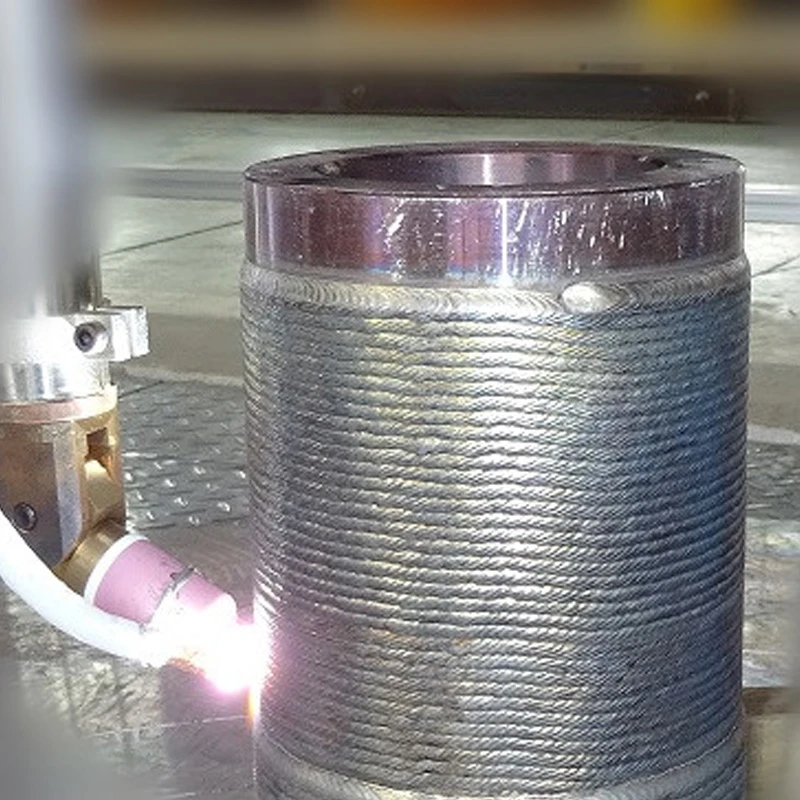
Overlay Welding Clad Steel Pipe
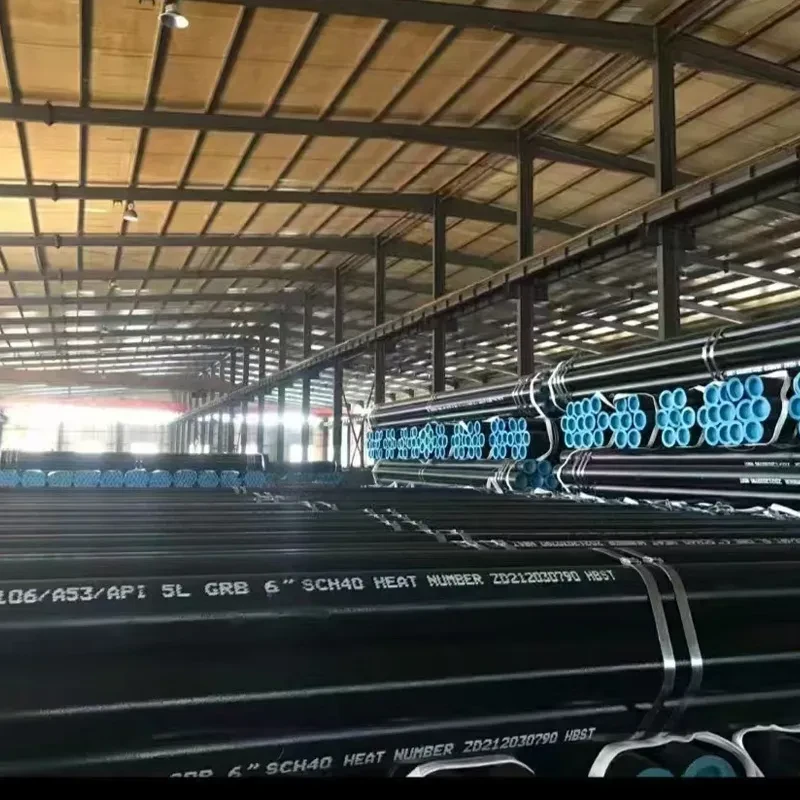
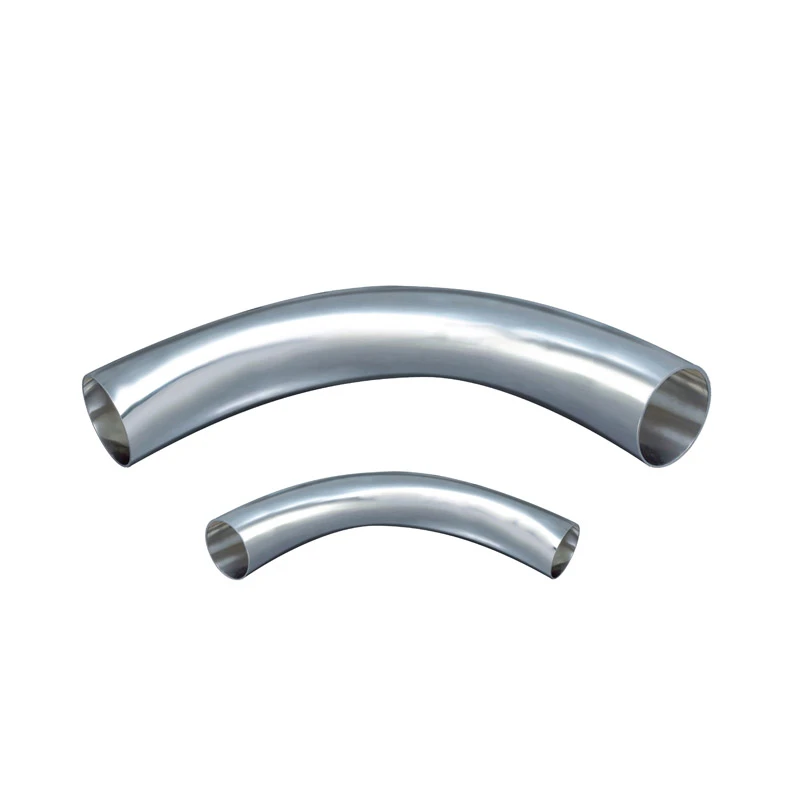
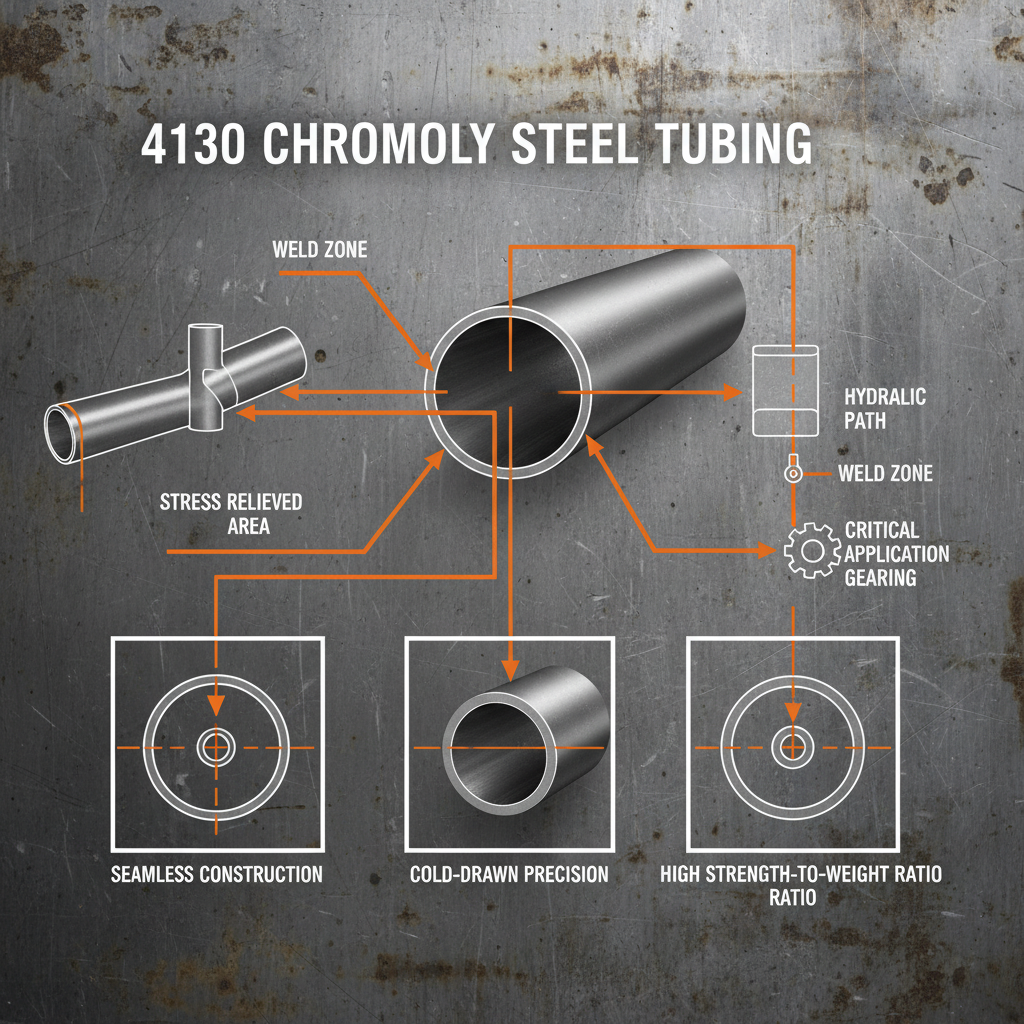
Ultimate Guide to 4130 Tubing Strength Performance and Applications
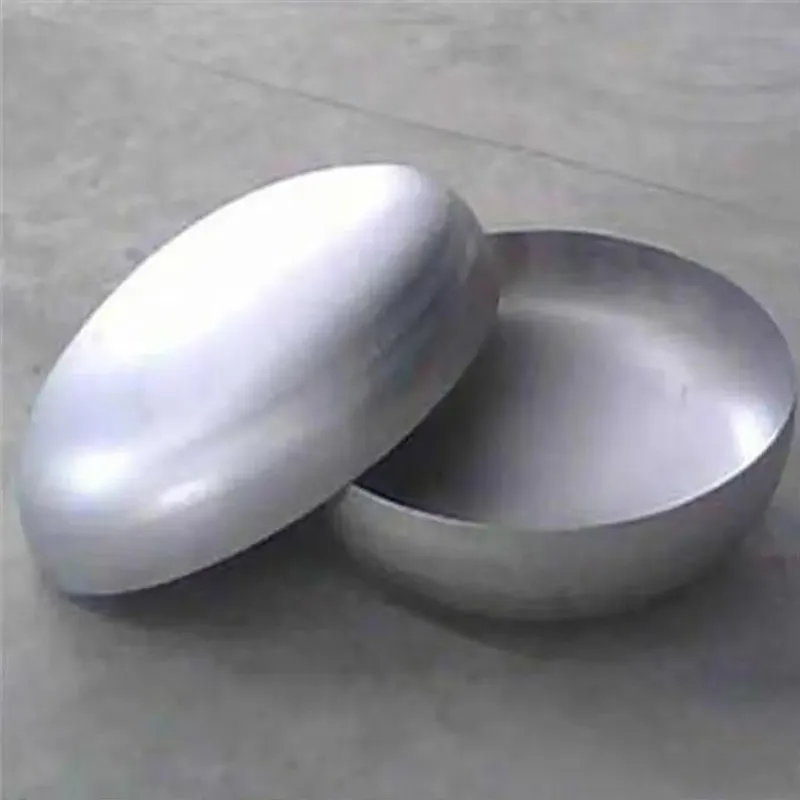
Pipe Cap-Cangzhou Lion Technology Co., Ltd.|Enhancing System Efficiency&Durability
Pipe Cap-Cangzhou Lion Technology Co., Ltd.|Enhancing System Efficiency&Durability
Pipe Cap-Cangzhou Lion Technology Co., Ltd.|Enhancing System Efficiency&Durability
Pipe Cap-Cangzhou Lion Technology Co., Ltd.|Enhancing System Efficiency&Durability
Pipe Cap-Cangzhou Lion Technology Co., Ltd.|Enhancing System Efficiency&Durability