Flanges are essential components in numerous industrial and construction systems, facilitating secure connections between pipes, equipment, and other structures. Each type of flange comes with its own set of characteristics and is designed to meet specific functional requirements. This exploration delves into the details of flat face flange, flat flange, flexible flange, floating flange, and floor drain flange, highlighting their unique features and diverse applications.
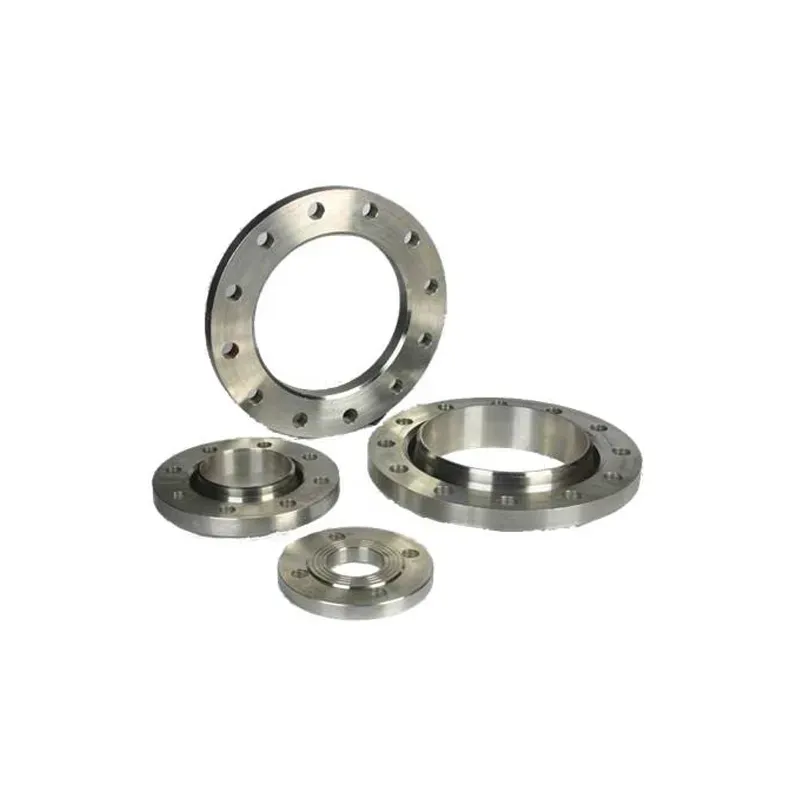
In the realm of piping and industrial connections, the flat face flange stands out for its simple yet effective design. This type of flange features a completely flat surface on the face that comes into contact with the mating flange. The flat surface is often used in low - pressure applications where a basic seal is sufficient. For example, in some water supply systems for residential buildings, flat face flanges are employed to connect pipes. Their flat surface allows for easy alignment during installation, and when paired with a suitable gasket, they can create a reliable seal to prevent water leakage. The straightforward nature of the flat face flange also makes it relatively easy to clean and maintain, reducing the chances of debris accumulation that could potentially compromise the integrity of the connection.
Flat flanges, which share similarities with flat face flanges, are widely utilized across various industries. These flanges are known for their simplicity and cost - effectiveness. In many general - purpose piping systems, such as those in small - scale manufacturing plants, flat flanges provide a practical solution for connecting pipes. Their flat profile allows for a straightforward installation process, and they can be easily bolted together. The flat surface of the flat flange also offers a large contact area, which helps in distributing the load evenly when the flanges are tightened, enhancing the overall stability of the connection. Additionally, flat flanges are available in a range of materials, from carbon steel for more common applications to stainless steel for environments where corrosion resistance is crucial.
When dealing with systems that experience movement, vibration, or thermal expansion, flexible flanges come into play. These flanges are engineered to accommodate a certain degree of flexibility, allowing for slight misalignments and movements without compromising the seal. In power plants, where pipes are subjected to significant temperature changes, flexible flanges are used to connect different sections of the piping network. The flexible nature of these flanges helps in reducing stress on the pipes and other components, preventing cracks and leaks that could otherwise occur due to the constant expansion and contraction. They typically incorporate features like bellows or rubber - like materials that provide the necessary flexibility while maintaining a tight seal.
Floating flanges offer a unique approach to pipe connections, especially in situations where alignment can be challenging. A floating flange is not rigidly attached to the pipe but instead floats freely around the pipe end. This design allows for easier alignment with the mating flange during installation. In large - scale industrial projects, such as oil refineries, where pipes may need to be connected over long distances and in complex configurations, floating flanges are often employed. The ability of the floating flange to move slightly in relation to the pipe enables installers to make fine adjustments to ensure a proper fit. Once the flanges are bolted together, the floating flange creates a secure connection, distributing the load evenly across the joint and providing a reliable seal.
In construction and building infrastructure, the floor drain flange plays a vital role in maintaining proper drainage systems. This type of flange is specifically designed for connecting floor drains to the underlying plumbing pipes. In commercial buildings, such as shopping malls or office complexes, floor drain flanges ensure that water from sinks, showers, and other sources is efficiently directed into the sewer system. The flange is typically installed in the floor, with a drain grate or cover placed on top. It is designed to be water - tight, preventing any backflow or leakage of wastewater. A well - installed floor drain flange also helps in preventing the entry of unpleasant odors from the sewer system into the building, contributing to a clean and healthy environment.
Selecting the appropriate flange for a project depends on multiple factors. First, consider the pressure and temperature conditions of the system. For high - pressure applications, flanges with higher pressure ratings, such as those made from stronger materials, are required. Temperature can also affect the choice of flange material, as some materials may become brittle or lose strength at extreme temperatures. The type of fluid or gas being transported is another crucial factor. Corrosive substances may necessitate the use of corrosion - resistant flanges. Additionally, the level of flexibility or movement expected in the system should guide the selection between flanges like flexible or floating types. Finally, budget constraints and ease of installation can also influence the decision - making process.
Regular maintenance of flanges is essential to ensure their continued functionality. Inspect flanges for signs of corrosion, especially in areas where moisture or corrosive substances are present. Check the bolts and nuts for tightness, as loose bolts can lead to leaks. Replace any damaged or worn - out gaskets promptly, as a compromised gasket can significantly affect the seal. In the case of flexible or floating flanges, ensure that their moving parts are not restricted and can function properly. For floor drain flanges, keep the area around the flange clean to prevent debris from clogging the drain. Periodic cleaning and inspection can help identify potential issues early and prevent costly repairs or system failures.
In many cases, flanges can be replaced without causing major disruptions to the entire system. However, the process depends on the type of flange and the complexity of the installation. For flanges that are bolted together, it is often possible to unbolt the old flange, remove it, and install a new one. This may require draining the system of fluid or gas first, depending on the application. In some situations, special tools or techniques may be needed to ensure a proper seal when reinstalling the new flange. For more complex systems or flanges that are integrated into larger structures, additional precautions and planning may be necessary, but with careful execution, flange replacement can be carried out with minimal disruption.

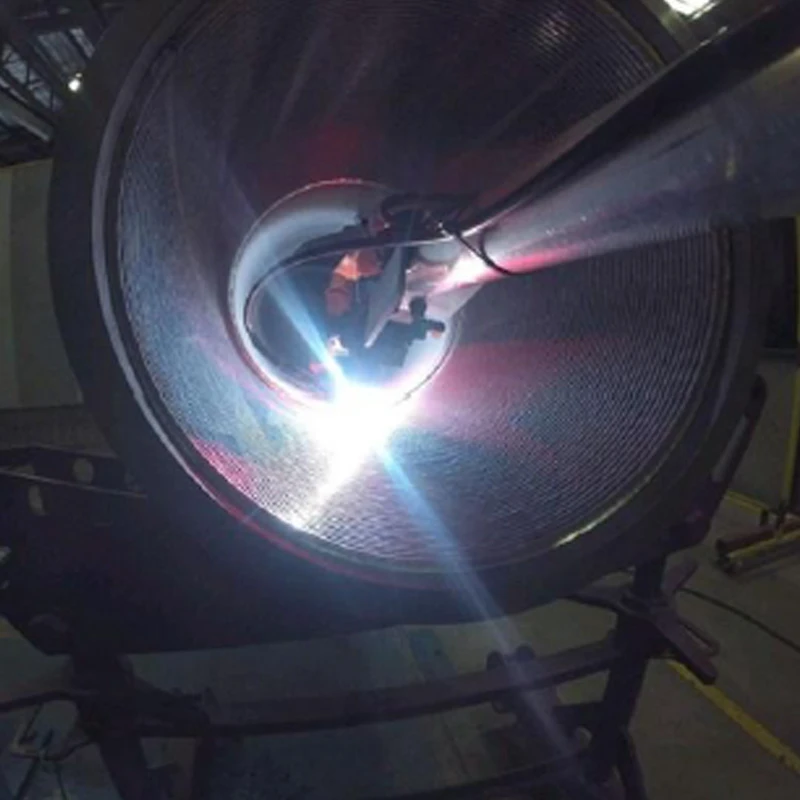
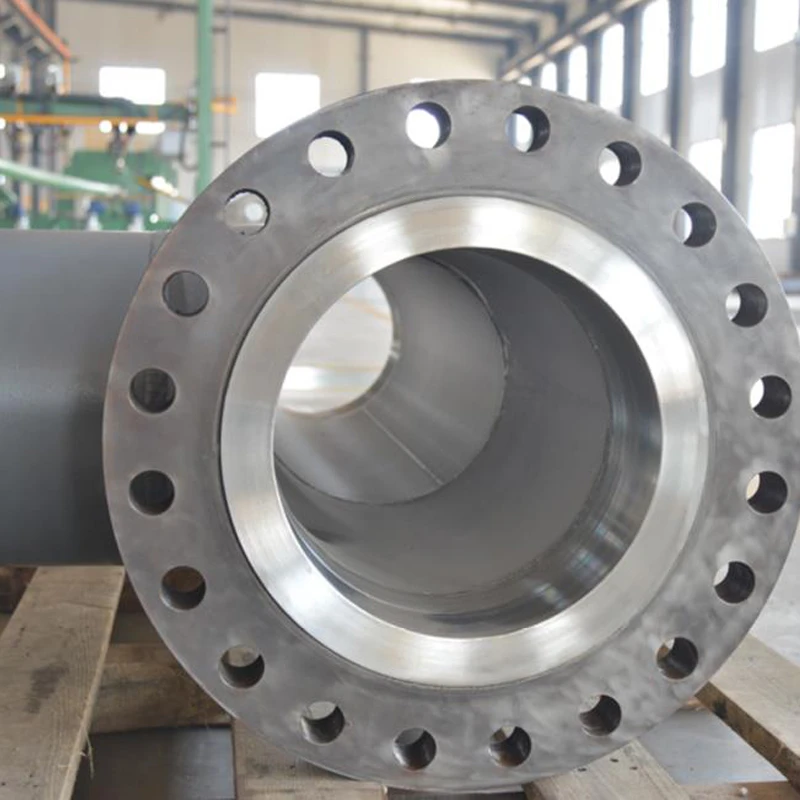
Factory Prefabricated Products
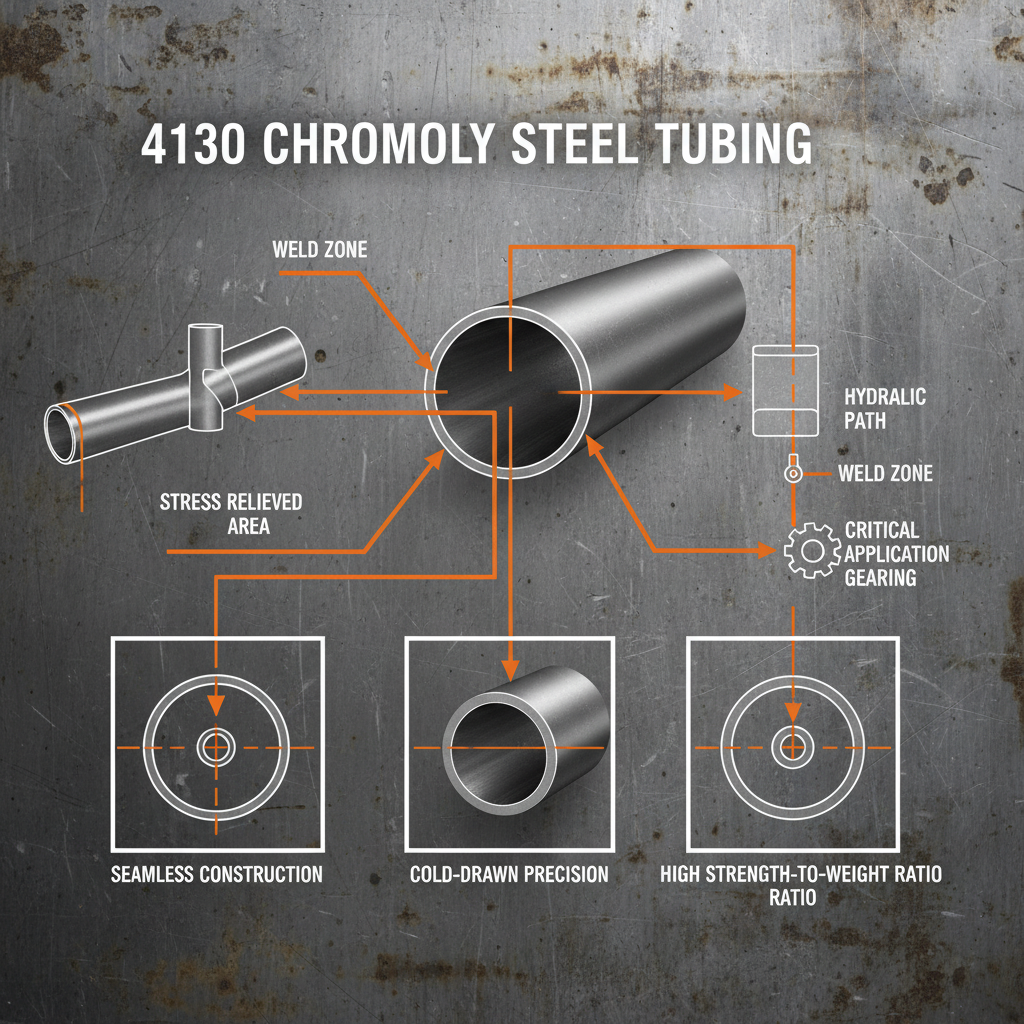
Ultimate Guide to 4130 Tubing Strength Performance and Applications
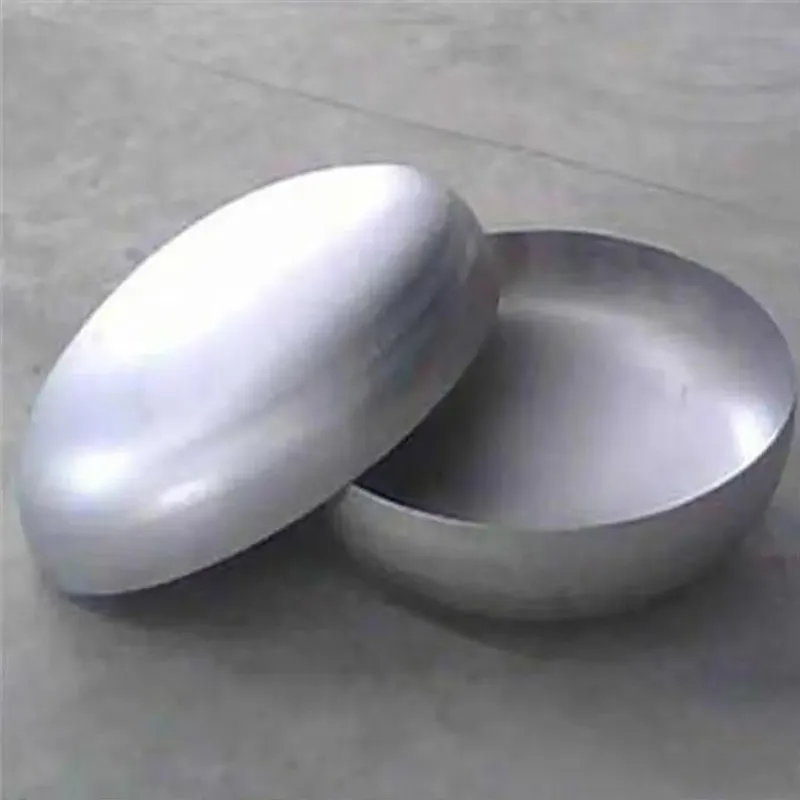
Pipe Cap-Cangzhou Lion Technology Co., Ltd.|Enhancing System Efficiency&Durability
Pipe Cap-Cangzhou Lion Technology Co., Ltd.|Enhancing System Efficiency&Durability
Pipe Cap-Cangzhou Lion Technology Co., Ltd.|Enhancing System Efficiency&Durability
Pipe Cap-Cangzhou Lion Technology Co., Ltd.|Enhancing System Efficiency&Durability
Pipe Cap-Cangzhou Lion Technology Co., Ltd.|Enhancing System Efficiency&Durability