tel
Email
to top

2 Square Metal Tubing - Industrial Grade & Supplier Comparison

Dec 07 2025
share:

Understanding 2 square metal tubing in Industrial Applications

Having spent more than a decade in the industrial equipment sector, I’ve seen countless variations of structural components come and go. But odd enough, 2 square metal tubing has been a surprisingly persistent staple. It’s one of those things that feels simple on the surface yet shows subtle layers of complexity as you dig into design specs, manufacturing processes, and real-world usage.

In many of the factories and constructions sites I’ve visited, this square tubing comes up again and again — not just because of its clean, geometric shape, but due to its mix of strength, versatility, and cost-effectiveness. Frankly, if you’re assembling racks, conveyors, or even framing for machinery, this tubing is often the go-to material. Oddly enough, it offers a blend of rigidity without being unwieldy, which is why engineers often favor it for light to medium load-bearing structures.

Let’s talk materials first. Most 2 square metal tubing is made from mild steel but can also come in stainless steel or aluminum alloys. Mild steel tends to be the everyday workhorse — easy to weld, paint, and customize on the fly. Stainless grades offer better corrosion resistance, handy for outdoor or harsh chemical environments. Aluminum versions, while pricier, bring lightweight advantages that matter for mobile frameworks or where weight savings equal energy savings. I recall a project where swapping to aluminum tubing cut frame weight by nearly 30%, which surprised even the fabrication team.

One point I always circle back to is how tolerances and finishes differ by vendor. Not all steel square tubing is created equal. Some manufacturers invest more in straightening processes and surface prep. Others take shortcuts but still meet minimum specs. Oddly enough, these small differences affect weld quality and final assembly alignment more than most people expect.

Specification Details
Dimensions 2" x 2" square cross-section
Wall Thickness Ranges from 0.065" to 0.250"
Material Grades A500 Grade B, A513, 304/316 Stainless
Lengths Available 8ft, 10ft, 20ft, custom cut lengths
Common Finishes Mill finish, galvanized, powder-coated

An interesting side story: I once worked with a manufacturer that had a long lead time on full sheets of steel plate but could get 2 square metal tubing delivered in bulk within days. That uptime difference flipped project schedules and client expectations—sometimes that’s where having a trusted tubing supplier really pays off, regardless of slight price differences.

When speaking with engineers and fabricators, customization options come up a lot. You might find yourself needing precise notches or pre-drilled holes for assembly line automation setups. Many vendors offer cutting, punching, and bending services—but “buyer beware” is my unsolicited advice here. Confirm the tolerances and whether the tubing’s steel grade suits your welding or finishing process. If you’re not seasoned, you might overlook variations that cause headaches during construction.

Vendor Material Quality Customization Services Lead Time Price Competitiveness
Lion Pipeline High (A500 Grade B + options) Cutting, welding prep, custom lengths 2-5 business days Medium (excellent value)
MetalRite Co. Medium (standard steel grade) Basic cutting only 5-7 business days Low (budget price)
SteelPro Suppliers High (premium stainless options) Full services including drilling/bending 7+ business days High (premium pricing)

If you’re tackling projects that need reliability and a decent balance of cost and quality, I find that sourcing your 2 square metal tubing from a vendor like Lion Pipeline often hits the sweet spot. Of course, it always pays to ask for mill certifications and samples, and watch how the product behaves once it’s in your hands - no supplier is flawless and every batch can have quirks.

Ultimately, working with 2 square metal tubing is about understanding what your application demands and matching that with material and supplier capabilities. For industrial pros, the devil’s in the details: wall thickness for load, ease of welding, corrosion environment, lead times, and yes, even aesthetics if your build winds up visible on a showroom floor. But at the end of the day, it’s a dependable, utilitarian staple that keeps things square — literally.

So, whether you’re fabricating a heavy-duty skid or setting up a clean metal framework, that familiar 2-inch square tube probably deserves a second look. It’s proven, adaptable, and frankly, a bit of an unsung hero in the metalworking world.

As always, test, confirm, and stay curious—that’s how you dodge costly surprises in production.

References:
1. Industry Fabrication Standards, AISC Steel Manual
2. ASTM A500 Steel Tubing Specifications
3. Fabricator’s Handbook, 4th Edition
  • Laser Clad  Pipe

    Laser Clad Pipe

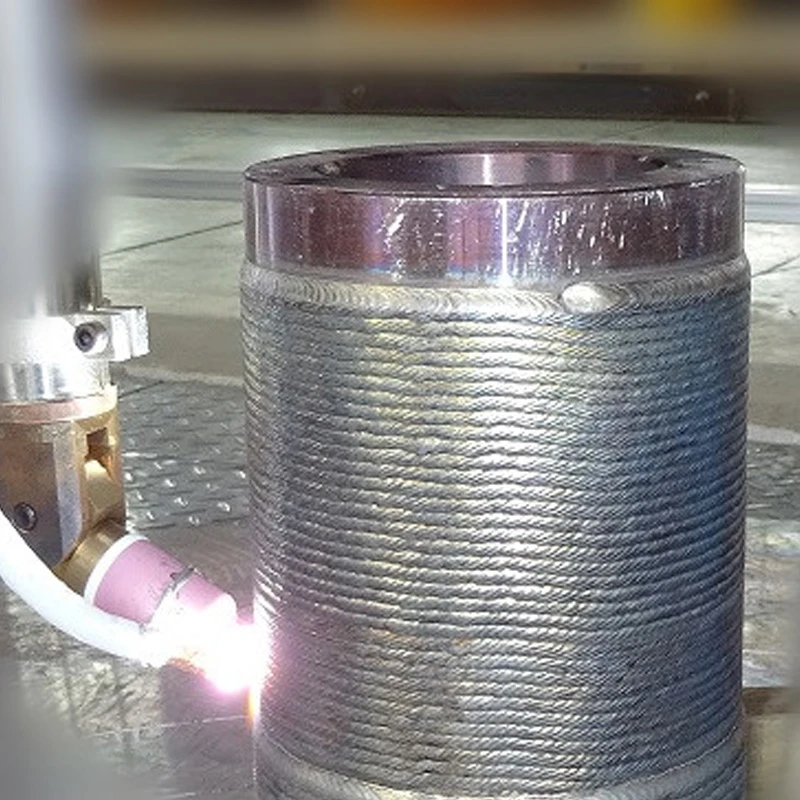
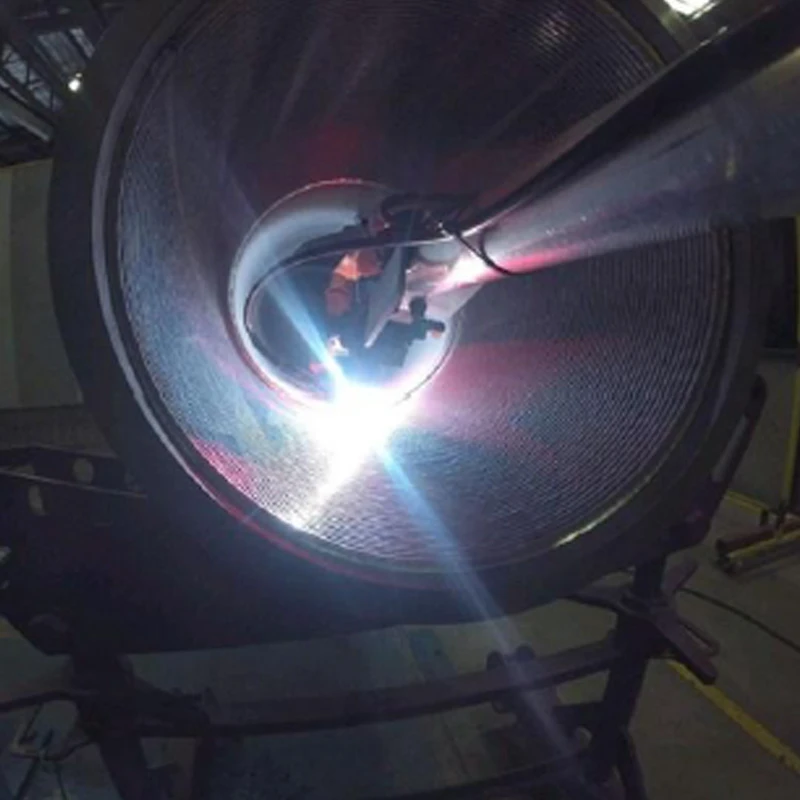
    Laser clad steel pipes are manufactured using laser cladding technology. This technology involves adding cladding material to the surface of ordinary steel pipe base material, using high-energy-density laser beams to fuse the cladding material with the steel pipe surface, forming a metallurgically bonded cladding layer. These pipes are generally used in compressed air energy storage projects as underground deep well transportation pipes or casings, as well as in oil, natural gas, and geothermal well extraction.
    VIEW ALL
  • Pipe Cap

    Pipe Cap

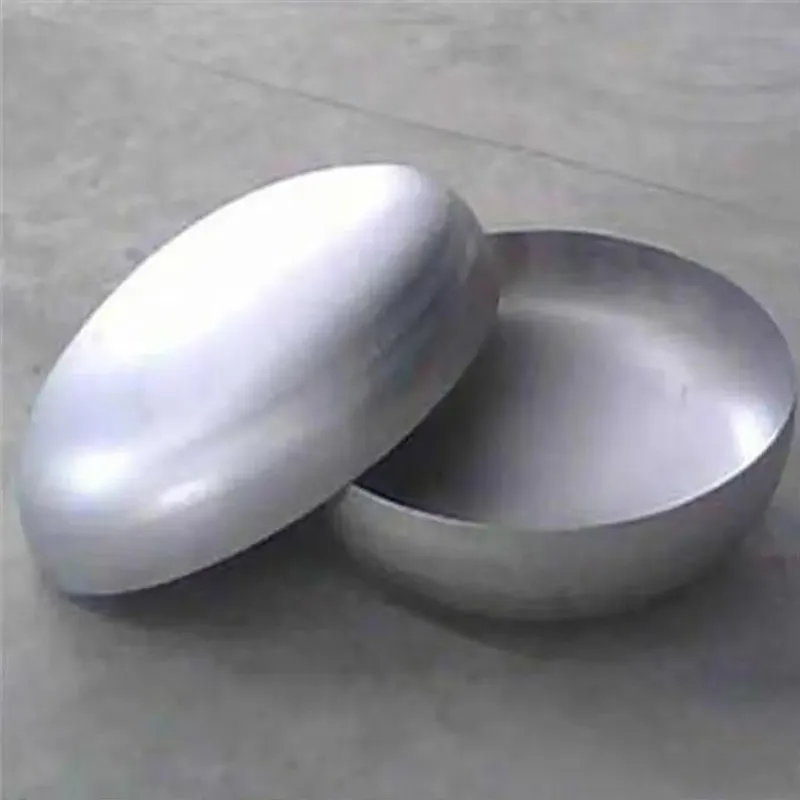
    Pipe caps come in different shapes, including round, square, and oval, and can be designed for both threaded and welded connections. They ensure the integrity of piping systems during transportation, storage, and installation by protecting the pipe ends from dirt, debris, and environmental factors. Durable and easy to install, pipe caps are critical for maintaining system efficiency and safety.
    VIEW ALL
  • Mechanical Clad Steel Pipe

    Mechanical Clad Steel Pipe

    Mechanical clad steel pipe (MCSP) is a kind of high-performance pipe, which is specially designed for demanding industrial applications. Combining the durability and strength of steel with advanced composite materials, MCSP provides enhanced corrosion resistance, high pressure and extreme temperatures.
    VIEW ALL
To create value for customers!
Cangzhou Leo Technology Co., Ltd. is located in Mengcun County Economic Development Zone, Cangzhou City, Hebei Province. It is a specialized high-tech enterprise that integrates the research and development, production, and sales of composite pipes and fittings.
News
The company regards product quality as the life of the enterprise, establishes a sound quality management system in accordance with the requirements of industry and national standards, controls all aspects of input and output in the whole process, pays attention to every detail, and ensures that the product delivery pass rate is 100%.
High Performance Sink Pipe Steel Guide for Industrial Piping

High Performance Sink Pipe Steel Guide for Industrial Piping

High-Performance Sink Pipe Steel: The Ultimate Guide to Industrial Piping In the demanding world of industrial manufacturing and pressure vessel construction, the selection of materials for piping systems is critical. Utilizing high-quality sink pipe steel ensures that systems can withstand extreme pressures, corrosive media, and mechanical stress. Whether it is for chemical processing, oil and gas, or construction, the right steel grade and fitting geometry can mean the difference between seamless operation and costly system failure. This guide explores the technical nuances of steel elbows and specialized clad materials designed for the most rigorous environments.
Ultimate Guide to Industrial Seamless Steel Pipe for Piping

Ultimate Guide to Industrial Seamless Steel Pipe for Piping

In the realm of modern industrial infrastructure, the integrity of piping systems is non-negotiable. The seamless steel pipe stands as the gold standard for transporting high-pressure fluids and gases. Unlike welded alternatives, seamless pipes are manufactured without a longitudinal seam, eliminating the most common point of failure and ensuring superior structural consistency. This makes them indispensable in sectors where safety and reliability are paramount, such as petroleum, nuclear power, and thermal energy. In this comprehensive guide, we will explore the technical advantages, material specifications, and critical applications of these high-performance components to help you make an informed procurement decision.
High Performance Seamless Steel Pipes for Industrial Piping

High Performance Seamless Steel Pipes for Industrial Piping

In the world of industrial fluid transportation and pressure vessel manufacturing, the choice of piping material can determine the safety and longevity of an entire system. Seamless steel pipes are engineered to withstand extreme conditions without the risk of weld-line failure, making them the gold standard for high-pressure environments. From oil and gas pipelines to hydraulic systems, these pipes offer unmatched structural integrity. In this comprehensive guide, we will explore the technical specifications, benefits, and diverse applications of carbon seamless steel solutions to help you make an informed procurement decision for your next engineering project.
High Performance Seamless Stainless Steel Pipe for Industrial Use

High Performance Seamless Stainless Steel Pipe for Industrial Use

The Ultimate Guide to Seamless Stainless Steel Pipe for Industrial Applications In the demanding world of oil and gas extraction, particularly in fields characterized by high hydrogen sulfide and carbon dioxide levels, the integrity of transportation infrastructure is critical. While traditional carbon steel often fails due to insufficient corrosion resistance, the seamless stainless steel pipe emerges as a premium solution. By eliminating weld seams, these pipes provide superior structural integrity and a seamless barrier against corrosive media. For industries operating under extreme pressure and chemical aggression, choosing the right piping material is not just about efficiencyit is about safety and long-term economic viability.
Industrial Piping Solutions Using Durable sch 40 steel pipe

Industrial Piping Solutions Using Durable sch 40 steel pipe

Optimizing Industrial Piping with SCH 40 Steel Pipe Solutions In the demanding world of industrial manufacturing and fluid transport, selecting the right piping specification is critical for safety and efficiency. The sch 40 steel pipe serves as a global standard for versatility, balancing wall thickness with internal flow capacity. Whether used in petrochemical plants, marine environments, or construction, this pipe grade provides the structural reliability needed to handle moderate pressures. However, as industries evolve, the integration of advanced technologies like laser cladding is transforming how we enhance these pipes to resist extreme corrosion and wear, extending the lifecycle of critical infrastructure.
Industrial 5 inch steel tubing Guide for High Pressure Systems

Industrial 5 inch steel tubing Guide for High Pressure Systems

The Ultimate Guide to 5 Inch Steel Tubing for Industrial Applications When designing high-pressure piping systems or structural frameworks, selecting the right material dimensions is critical for safety and efficiency. The 5 inch steel tubing serves as a versatile midpoint in industrial piping, offering a perfect balance between flow capacity and structural rigidity. Whether it is used in oil and gas transport, water management, or architectural support, the quality of the steel determines the longevity of the entire project. In this comprehensive guide, we will explore the technical specifications, material grades, and strategic advantages of utilizing this specific tubing size
tel email tel top

If you are interested in our products, you can choose to leave your information here, and we will be in touch with you shortly.