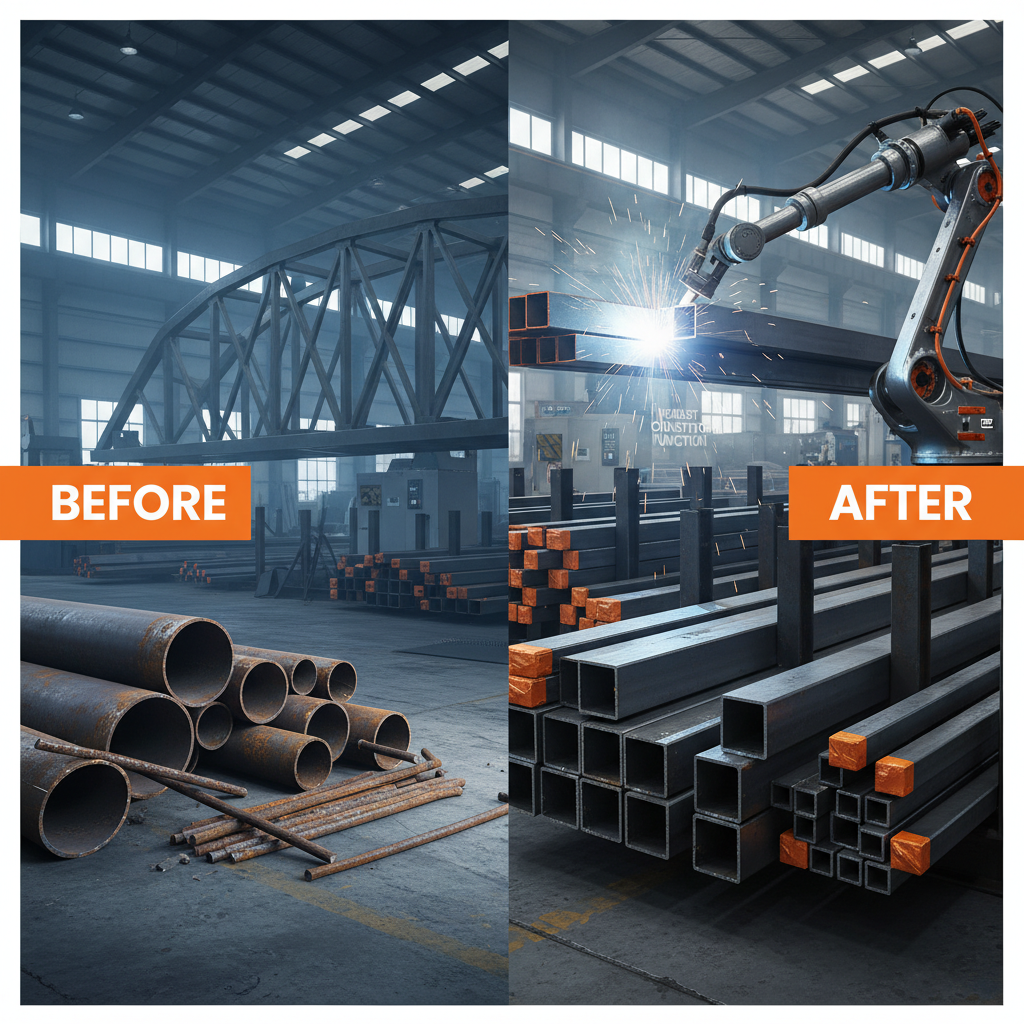



Selecting the right piping infrastructure involves more than just matching diameters; it requires a deep understanding of material science and regional manufacturing capabilities. When procurement officers search for steel pipes china, they are often navigating a complex landscape of alloy grades, pressure ratings, and international certification standards.
The challenge lies in balancing the cost-efficiency of large-scale production with the stringent safety requirements of high-pressure environments. From petroleum refining to marine engineering, the integrity of a piping system depends on the precision of the forming process and the reliability of the metallurgical bond, especially in clad or bimetallic solutions.
This guide examines the technical criteria for evaluating high-performance steel piping, focusing on the intersection of material durability and engineering precision to help decision-makers optimize their supply chain for long-term operational stability.

Evaluating the Metallurgy of High-Pressure Steel Piping

The foundation of any secure piping system is the metallurgical composition of the base material. In the context of heavy industry, "steel pipes" is a broad category that spans from simple carbon seamless pipes to highly engineered bimetal clad pipes designed for extreme corrosion resistance.
Understanding the trade-off between strength and ductility is essential. For instance, carbon steel provides the necessary structural rigidity for high-pressure transport, but in the presence of hydrogen or sulfur, it becomes susceptible to stress corrosion cracking. This is where bimetallic technology becomes critical, combining a strong outer carbon steel shell with a corrosion-resistant inner layer of stainless steel or nickel alloys.
Modern manufacturing in the pressure vessel and metal products sector has shifted toward tighter tolerance controls. The ability to maintain precise wall thickness (S≤120mm) and manage large diameters (up to DN3500mm) ensures that fluid dynamics are optimized, reducing turbulence and energy loss across the network.
Core Technical Attributes of Industrial Pipe Fittings
Pipe fittings, particularly reducers and flanges, serve as the critical transition points in any fluid transport system. A reducer's primary engineering goal is to facilitate a gradual diameter change, which prevents the formation of eddies and minimizes pressure drops.
Technical specifications such as ASME B16.9-2018 and MSS SP-75-2019 provide the global framework for these components. Whether employing concentric or eccentric designs, the focus remains on the transition's smoothness. For example, reducers ranging from DN15 to DN2000 must adhere to specific pressure ratings (PN0.6 to PN32) to prevent rupture under surge conditions.
Material selection for these fittings—ranging from alloy steel to Inconel—is driven by the medium being transported. Low-temperature steel is mandatory for cryogenic applications, while nickel-based alloys are required for highly acidic chemical environments, ensuring that the fitting does not become the primary point of failure.
Critical Application Scenarios for Specialized Clad Pipes
Bimetal clad pipes are engineered for environments where single-material pipes fail. In the oil and gas sector, the combination of high pressure and corrosive elements requires a pipe that possesses both the mechanical strength of carbon steel and the chemical inertness of a lining material.
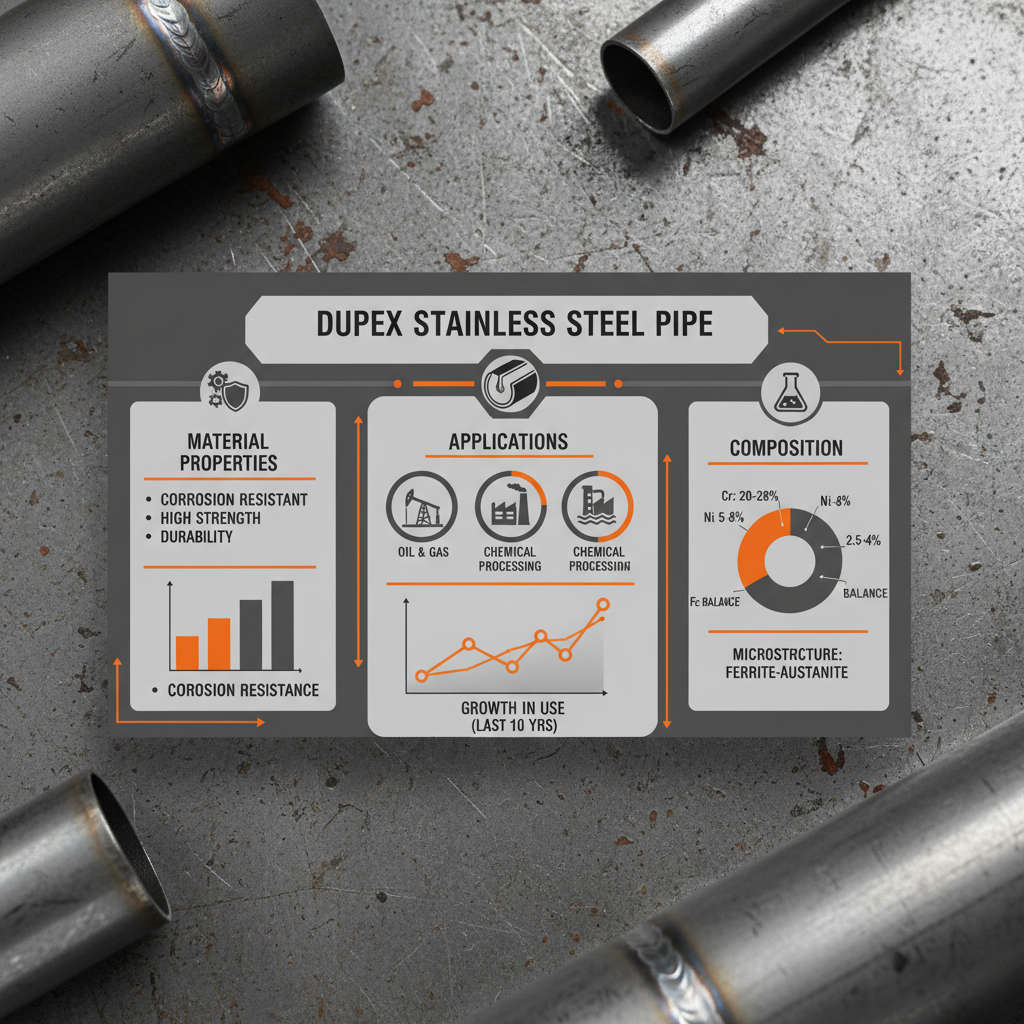
In drinking water transportation, 304 lined bimetallic pipes are frequently utilized to prevent contamination and rust, ensuring a lifespan that far exceeds standard galvanized options. Similarly, in the chemical industry, the use of duplex steel or titanium cladding protects the system against aggressive halides and organic acids.
Another vital application is found in marine engineering and power plants, where thermal expansion and external salinity create a hostile environment. Here, anti-corrosion insulated pipes are deployed to maintain fluid temperature while shielding the structural steel from saltwater infiltration, thereby reducing maintenance frequency.
Benchmarking Performance Across Different Material Grades
Quantifying the performance of piping materials involves analyzing their resistance to deformation, corrosion rates, and longevity under specific pressure loads. The following metrics compare standard carbon steel against advanced clad solutions.
While carbon steel is highly efficient for non-corrosive media, its performance drops significantly in acidic environments. Clad pipes, by contrast, maintain high structural integrity while virtually eliminating the risk of inner-wall pitting, which is a primary cause of leaks in industrial manifolds.
steel pipes china Performance Metrics
The data indicates that while initial material costs are higher for bimetallic solutions, the lifecycle cost is significantly lower due to the reduction in chemical inhibitors and the extension of the replacement cycle from 5-10 years to 25+ years.
Strategic Procurement and Quality Verification Process
Procuring high-pressure components requires a rigorous verification framework. The "zero defect" goal in pressure piping is achieved not through luck, but through a combination of non-destructive testing (NDT) and AI-enhanced visual inspection.
Buyers should prioritize suppliers who integrate a complete physical and chemical inspection center. Key benchmarks include the accuracy of temperature control in heat treatment furnaces (ideally within 10 degrees Celsius) and the speed of water quenching, which determines the final hardness and grain structure of the steel.
Furthermore, the ability of a manufacturer to provide factory-prefabricated products significantly reduces on-site welding risks. By shifting the complexity of assembly to a controlled factory environment, projects can avoid common field errors such as misalignment and poor weld penetration.
Evolution of Additive Manufacturing in Pipe Fabrication
The industry is witnessing a transition toward additive manufacturing, specifically in the cladding of the inner walls of pipe fittings. Laser and arc additive manufacturing allow for the precise application of expensive alloys only where they are needed, reducing waste and cost.
This technology enables the creation of complex internal geometries that were previously impossible with traditional rolling or die-pressing methods. It allows for the customization of the lining thickness based on the specific corrosion profile of the fluid, optimizing the weight of the component without compromising safety.
Looking forward, the integration of AI in the visual judgment of defects is likely to further reduce the human error associated with NDT. By using deep-learning models to analyze X-ray or ultrasonic scans, manufacturers can identify micro-fissures that might be overlooked by the human eye.
Selection Matrix for Industrial Piping Components
Choosing between different piping solutions requires a weighted analysis of the operating environment, budget, and required lifespan. The following matrix assists in identifying the most appropriate material and forming method for specific industrial needs.
It is important to note that while seamless carbon steel is the standard for general high-pressure air or water, any presence of corrosive agents mandates a shift toward bimetallic or alloyed solutions to avoid catastrophic failure.
| Application Environment | Recommended Material | Primary Forming Method | Risk Factor to Monitor |
|---|---|---|---|
| Standard Petroleum Transport | Carbon Seamless Steel | Seamless Rolling | Internal Oxidation |
| Aggressive Chemical Acid | Bimetal Clad (Nickel) | Laser Additive | Cladding Bond Integrity |
| Potable Water Systems | 304 Lined Steel | Coating & Lining | Liner Delamination |
| High-Pressure Steam | Alloy Steel (Chrome-Moly) | Die Pressing | Thermal Creep |
| Cryogenic Gas Storage | Low-Temperature Steel | Seamless Rolling | Brittle Fracture |
| Deep-Sea Pipelines | Duplex Steel Clad | Arc Additive | External Salinity Corrosion |
For organizations designing complex systems, reviewing the detailed product ranges and manufacturing capacities available at www.lion-pipeline.net can provide the necessary technical context for final selection.
Frequently Asked Questions
Conclusion
Optimizing a piping network requires a strategic shift from viewing pipes as simple commodities to treating them as critical engineering assets. The integration of bimetallic cladding and additive manufacturing has fundamentally changed the durability expectations for high-pressure systems, allowing for safer and more efficient transportation of hazardous media.
For engineers and procurement specialists, the key to long-term success lies in the rigorous verification of material standards and the selection of partners capable of high-precision prefabrication. Those evaluating high-performance solutions can review relevant product and company information available through www.lion-pipeline.net to ensure their infrastructure meets the highest global safety benchmarks.